Monday, April 11, 2022

Alnwick...and around.

 Since last week's twitch, things have been back to normal around NE66.  

A few new birds have been moving through the patch as would be expected by now.  Siskins are daily seen passing over but only one male has been on my feeders. Two Bramblings on the return leg of their winter stay called in. A female with the Chaffinch flock on Wednesday then today I heard a familiar 'wheezing' note, like a Greenfinch but softer. As Greenies have a sad new status in these parts I paused and wonderd if it was a singing Brambling? Sure enough, there he was up a small tree singing away, still in winter plumage. Its a sorry state when a singing Brambling is almost as likely as a singing Greenfinch locally...

A bitterly cold NW wind on Saturday gave zero chance of summer land birds so I had an hour seawatch from Rumbling Kern. Its not as much of a point as Cullernose and is in the shadow of Boulmer but it can be ok for gulls and terns.

1600- 1710 - 

Red breasted Merganser 1 drake N

Sandwich Tern 5 N ( first terns of the season)

Razorbill 14 identified many auks too far out

Common Gull 98 N

Kittiwake 130 N

Gannet 50 N ( I don’t usually count Gannets and Kittis but early on there isn’t much else)

Fulmar 2 N

Shelduck 1 N

Common Scoter 4 N

Goosander 1 redhead S

Whooper Swan 2 N

Lesser black backed Gull 1 N

Shag 1 N ( rarely count these either, but there was only one today so for completeness)

Red throated Diver 1 N

Purple Sandpiper 15+ on the rock with 15+ Turnstones.

Sunday remained cold but very bright and clear so we checked some of our inland sites around Alnwick.

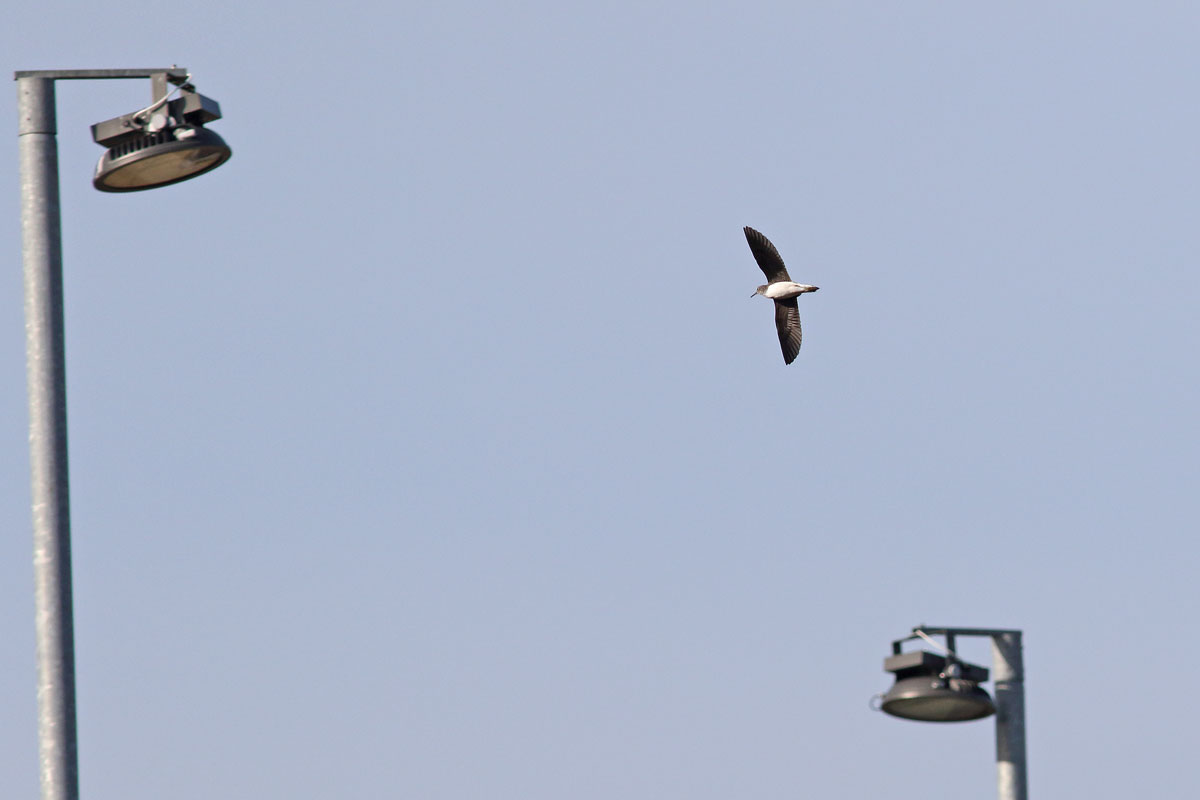
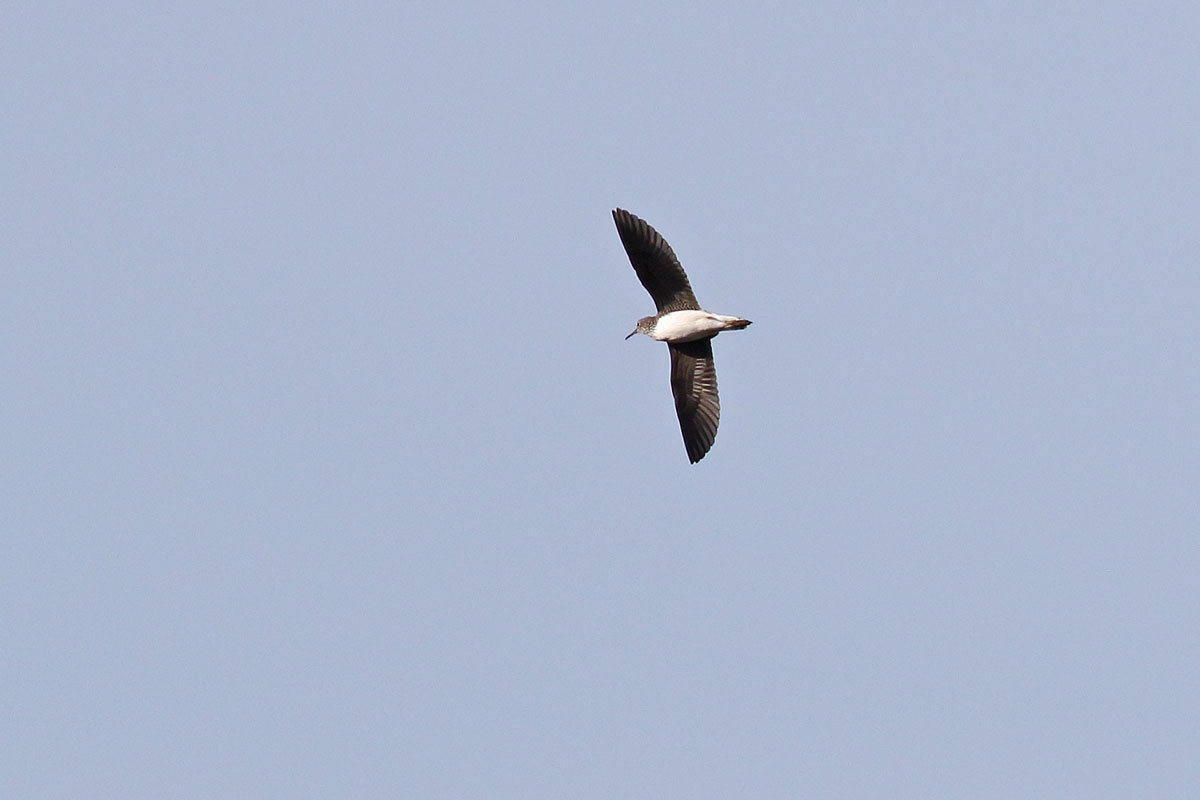
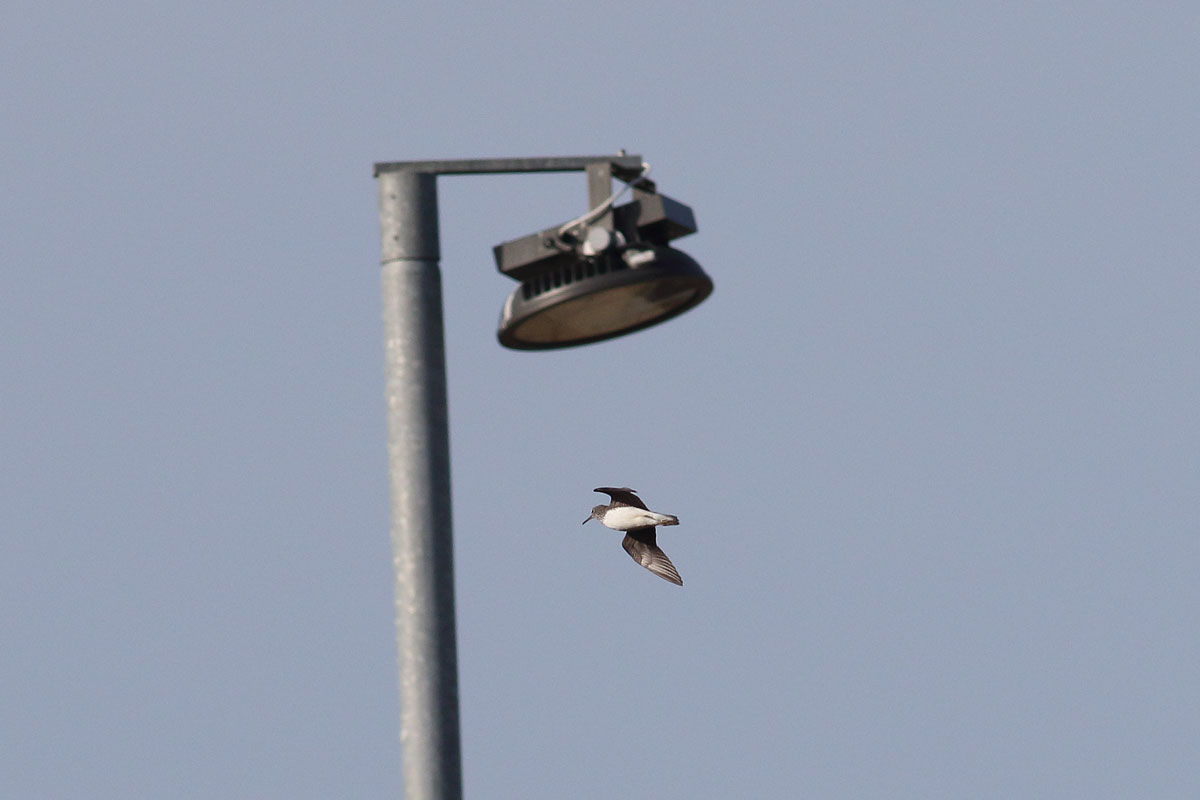
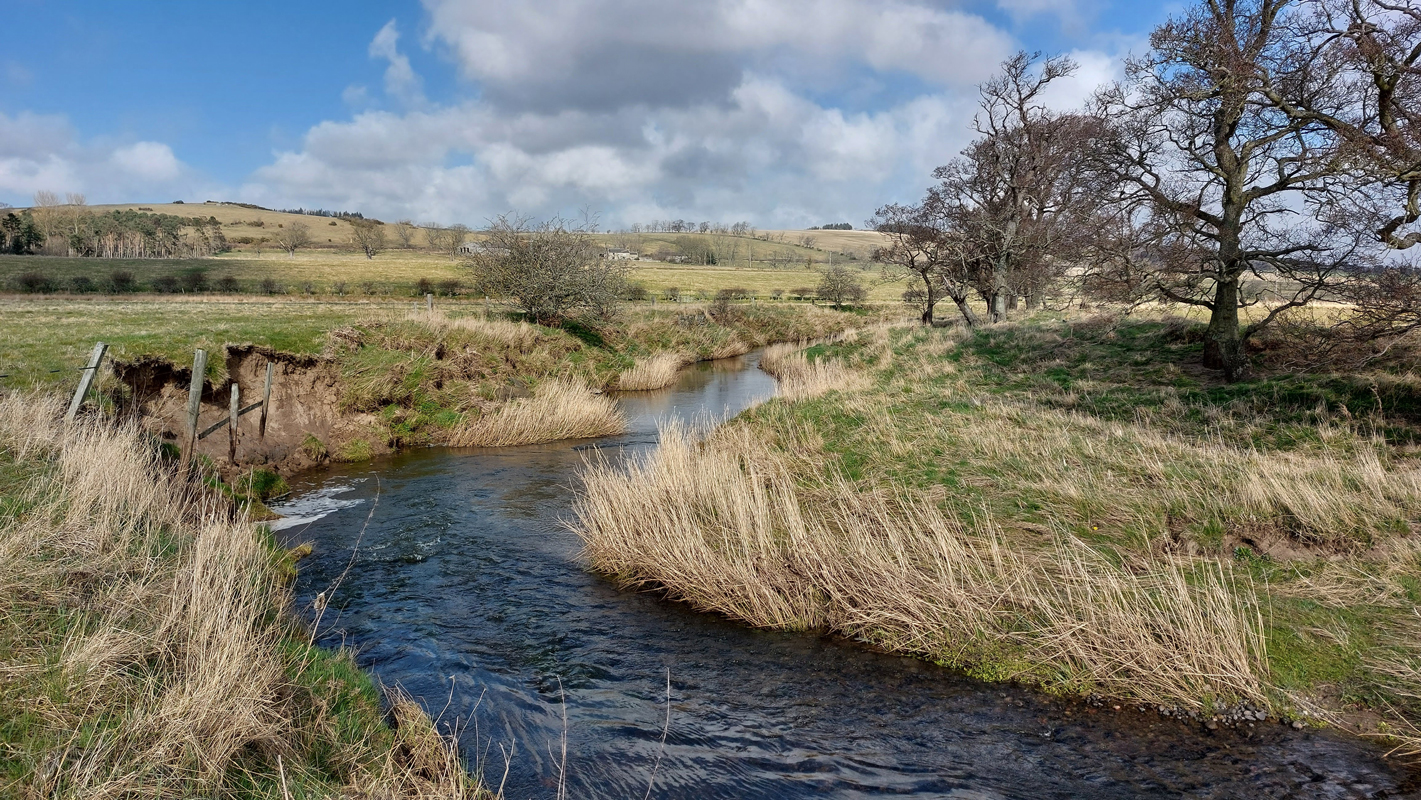
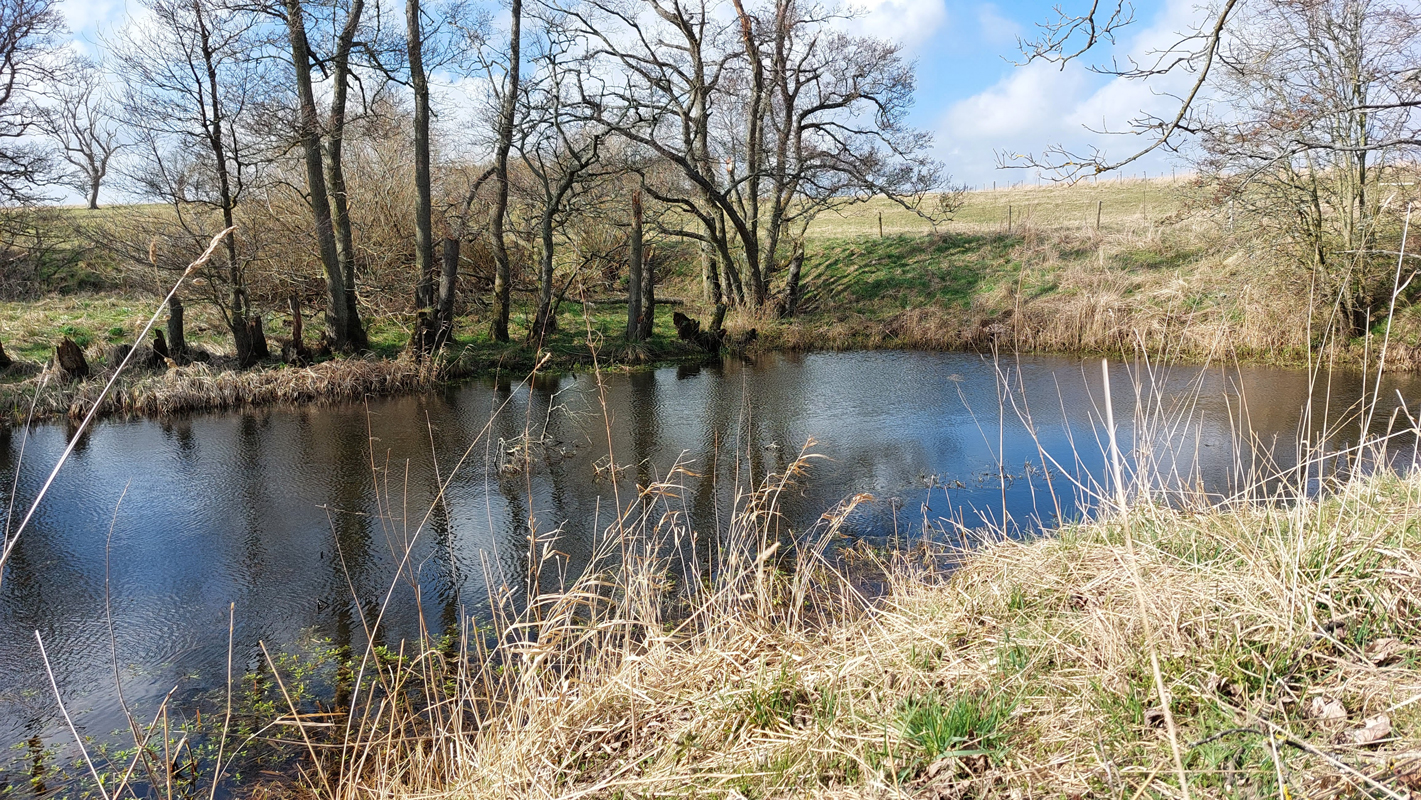
A circular walk along the new local railway and back into the industrial estate by the wooded Cawledge Burn turned up common woodland species with 15+ Chiffchaffs, 5 Great spotted Woodpeckers, 4 Redwing, 2+ Sparrowhawks and best of all, on a small drainage settling pond on the estate, a Green Sandpiper. A nice little find on the edge of suburbia. 

Disclaimer. This post might be a bit pic heavy...


As you can imagine a Green Sandpiper on a tiny pond, it was never going to end well so after about 30 seconds off it went calling on the way.

After a short stop for supplies at Greggs, it was time to get a little bit more rural, well, 5 miles more...

In the bright sun some typical moorland wildlife was seen but none of the hoped for Ring Ouzels or Wheatears yet...
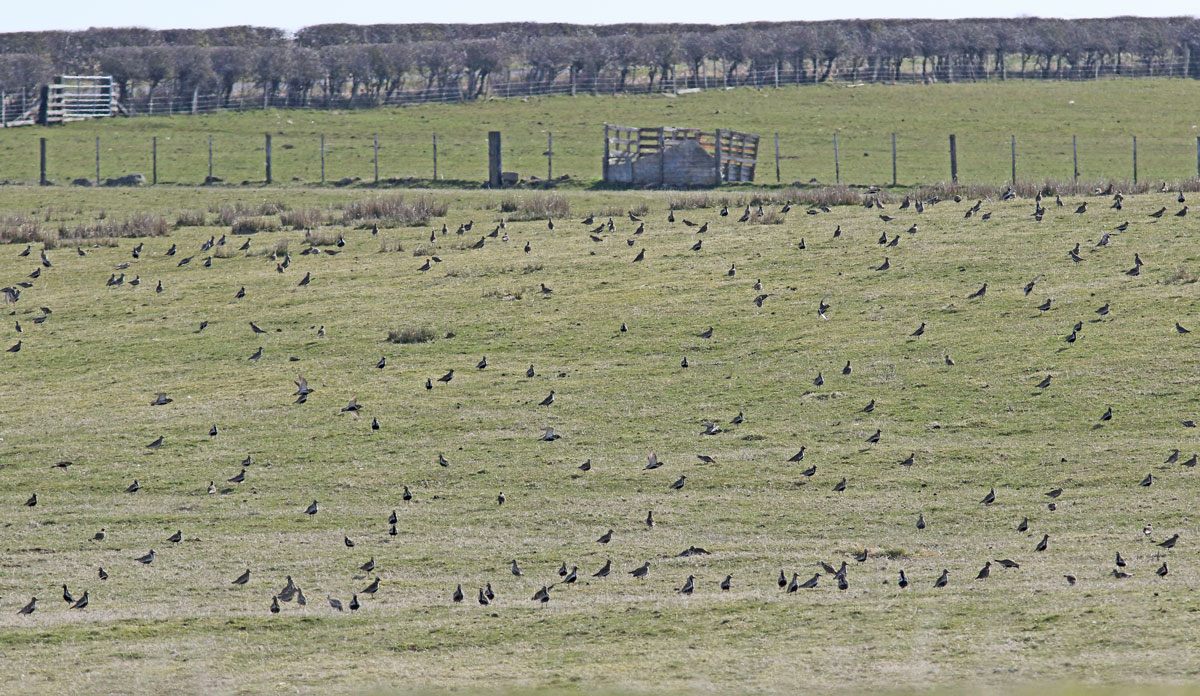
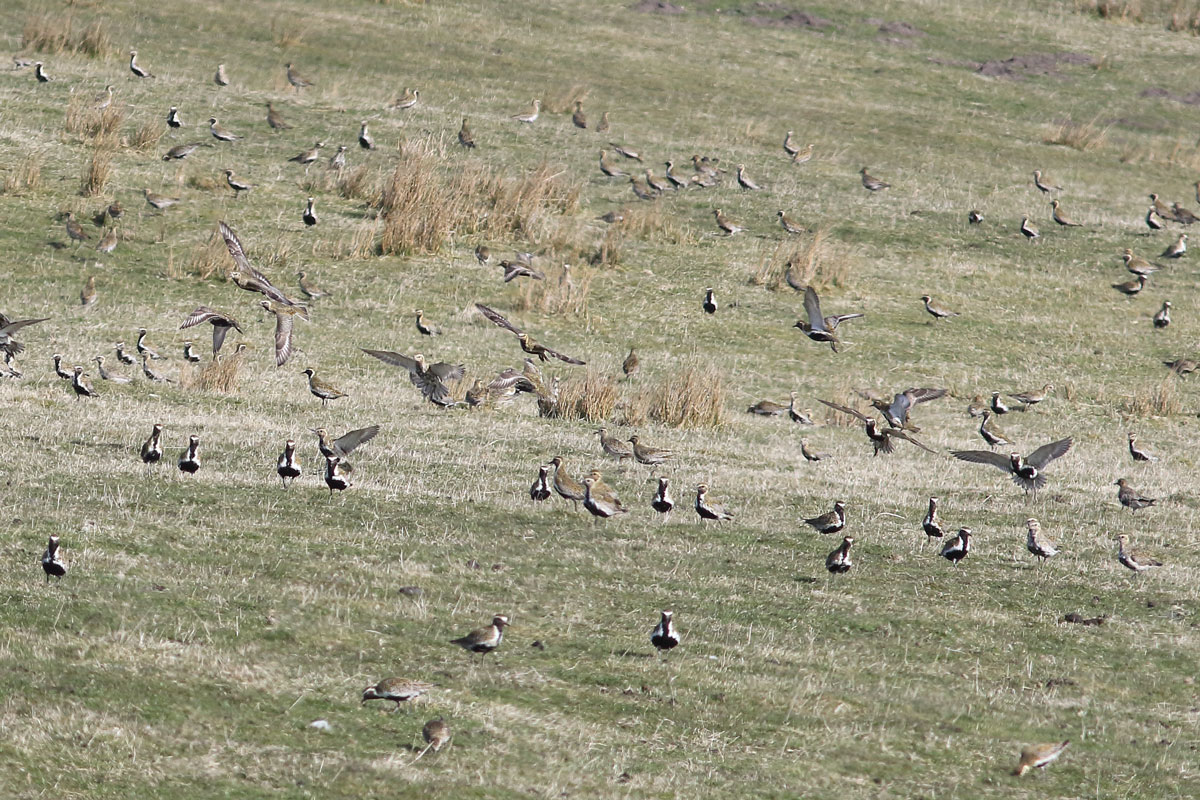
A massive flock of Northern Golden Plovers looked great in this light. 

On last years Ring Ouzel field there was scarcely room for one as it was packed with Northern Golden Plovers. At least 700, possibly up to 900 birds present running everywhere and flying short distances making an accurate count impossible. We couldnt find a Dotterel...

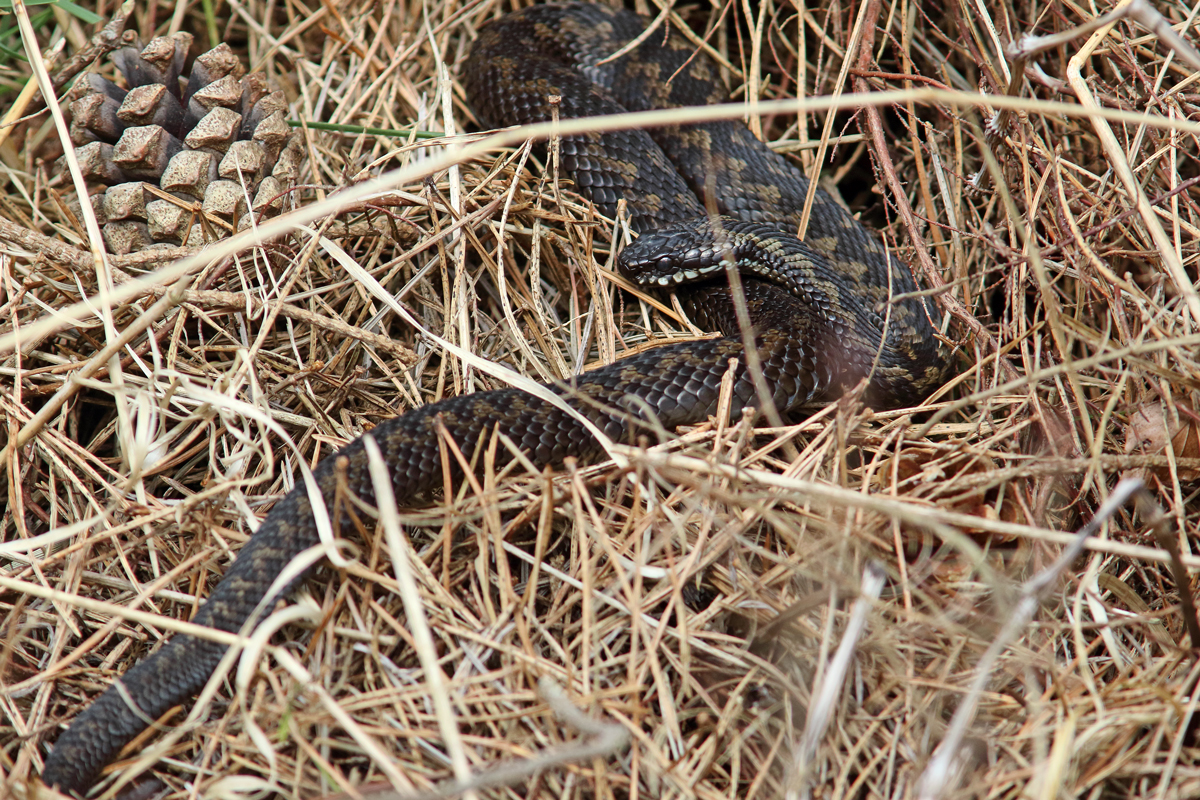
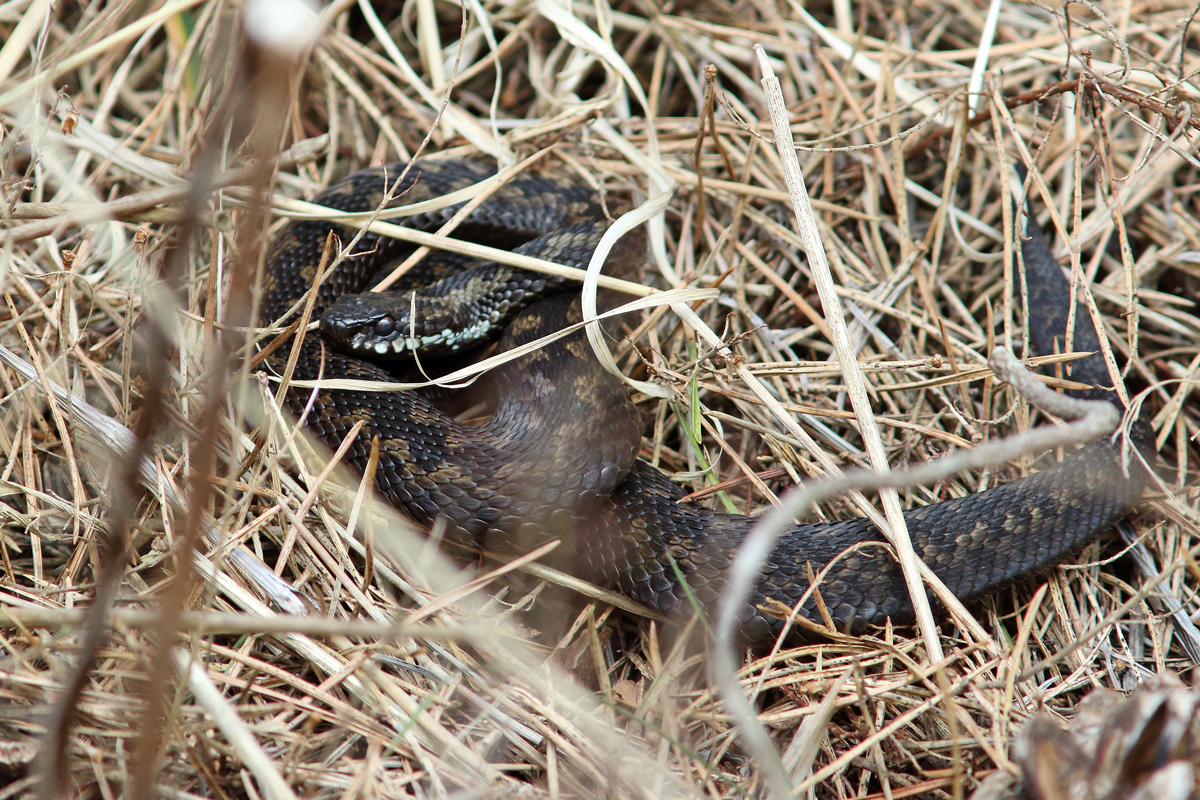
Nearby a small Adder, 5+ displaying Redpolls, 1 Stonechat and more Chiffchaffs went into the book.

After a good stretch of legs with not much more to add, we came across a nice pair of Red Grouse.

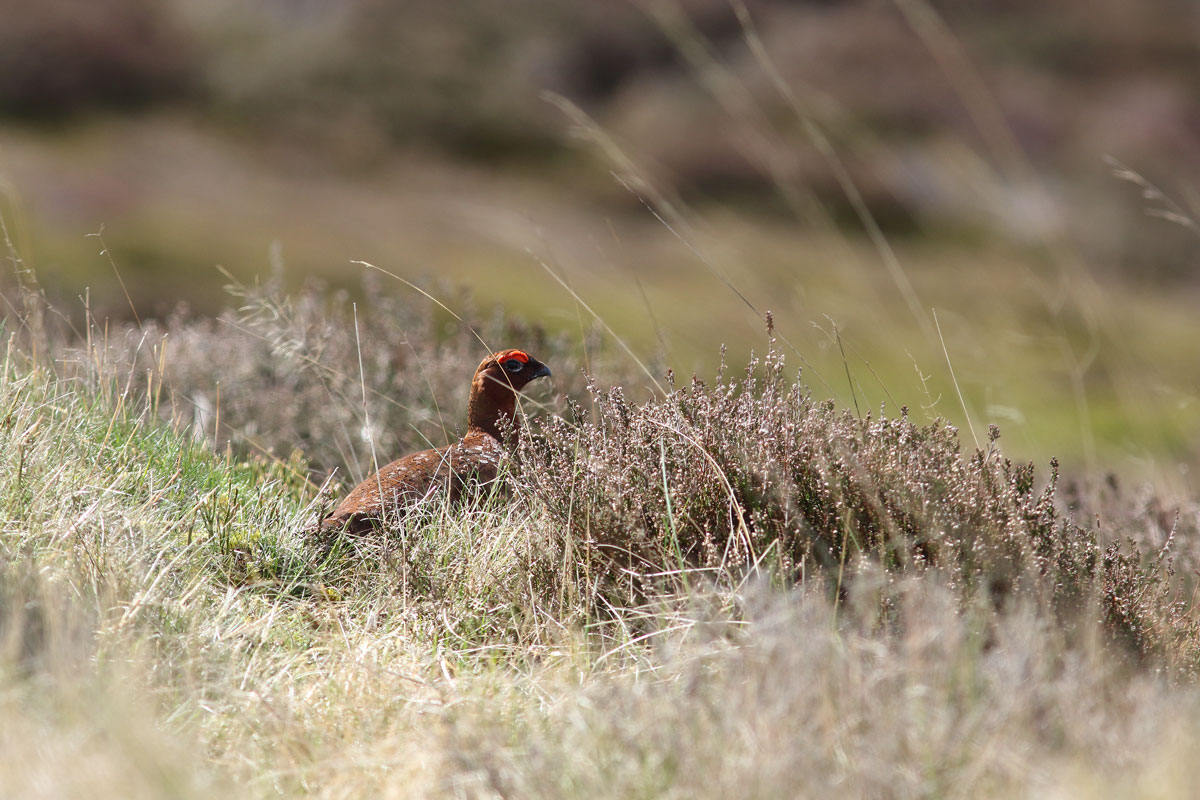

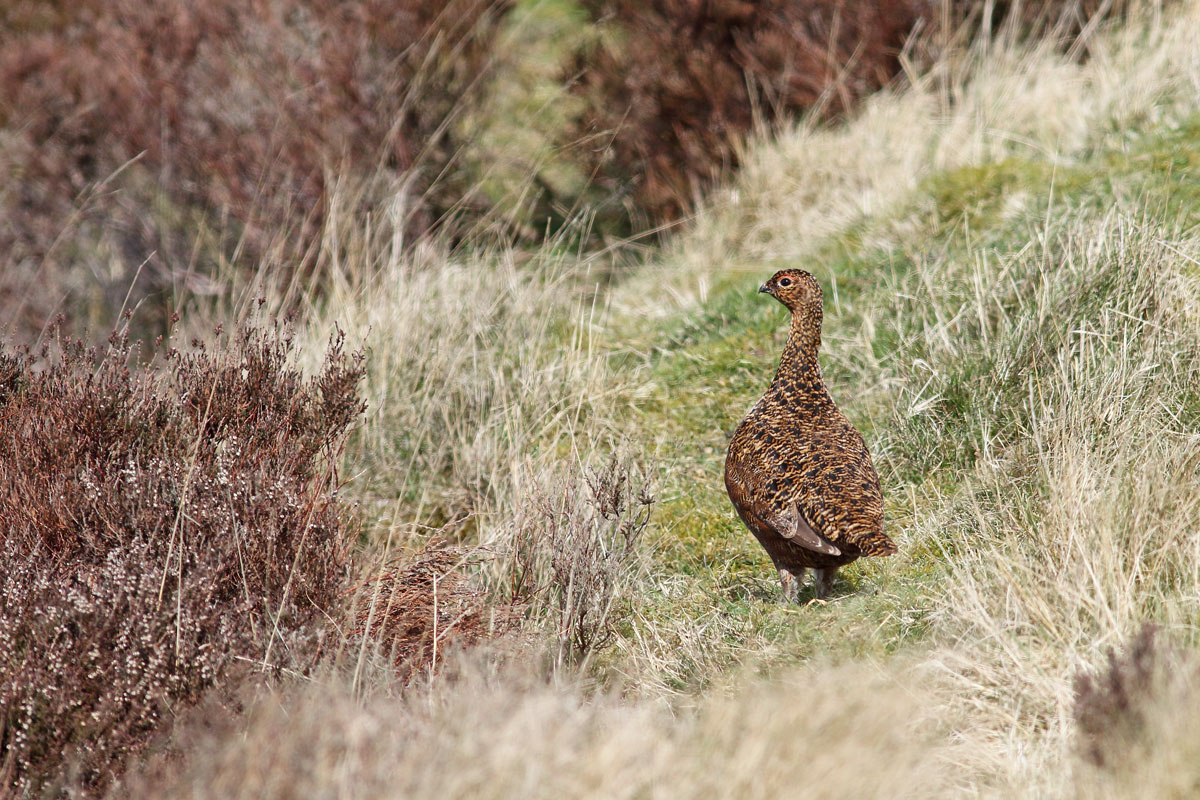
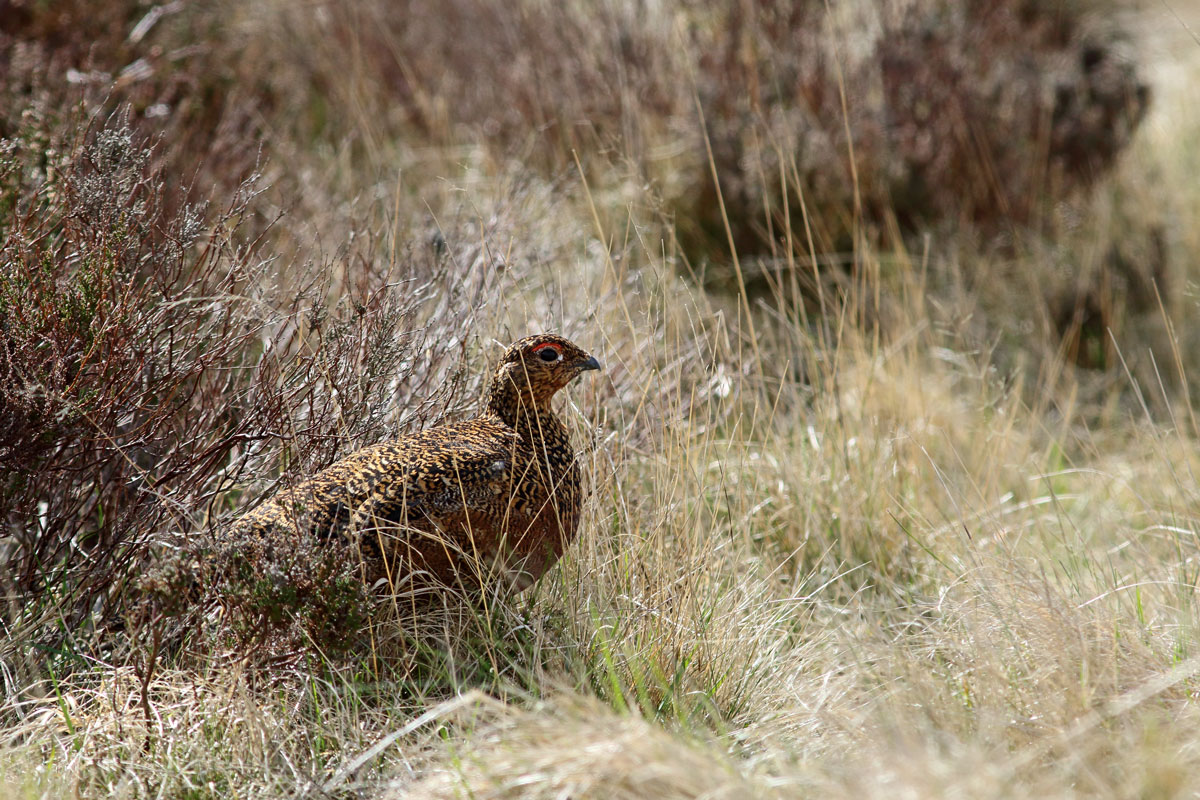
Him n her Red Grouse. Not much compensation for acres of burnt moorland.

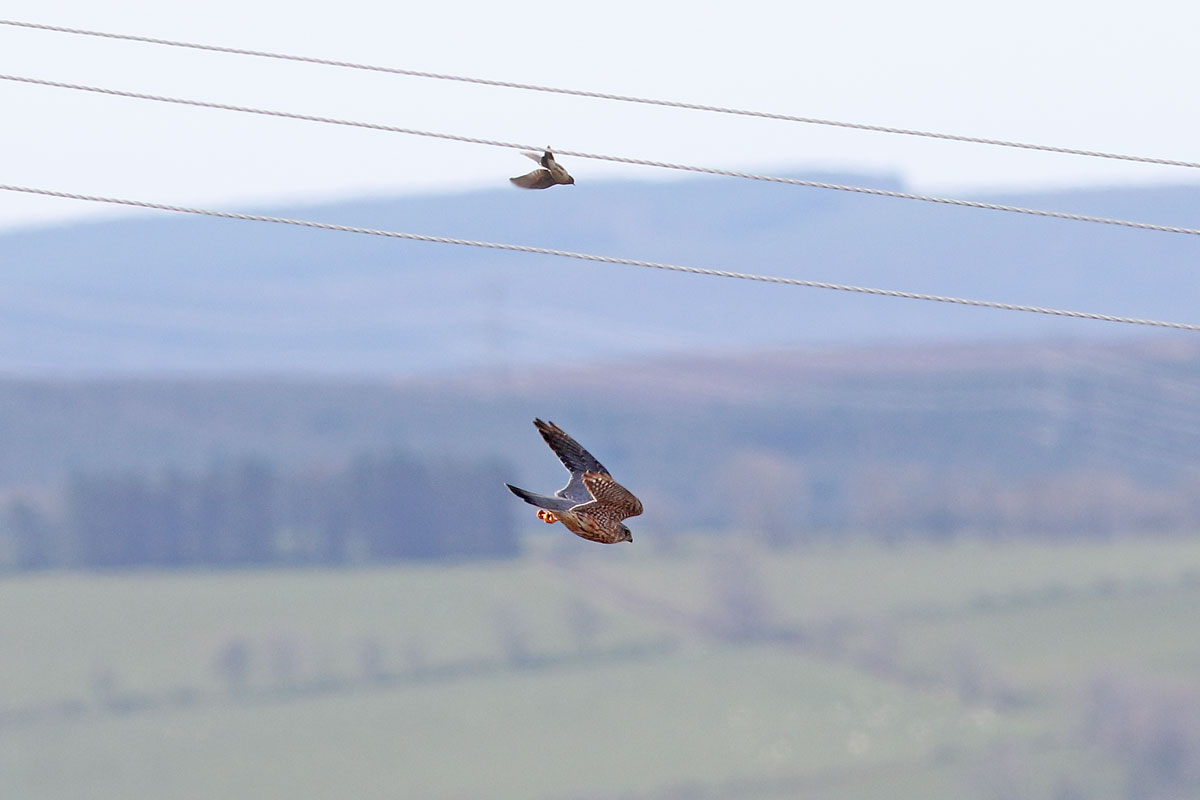
 Shortly after the grouse we rounded a corner to briefly meet the day's second highlight. On the wires, an adult male Merlin sat with an entourage of mipits and linnets keeping an eye on him, even providing outriders to escort him away from their territories as he flew off.

So, few migrants and no rares but we still enjoyed a very pleasing morning out . 
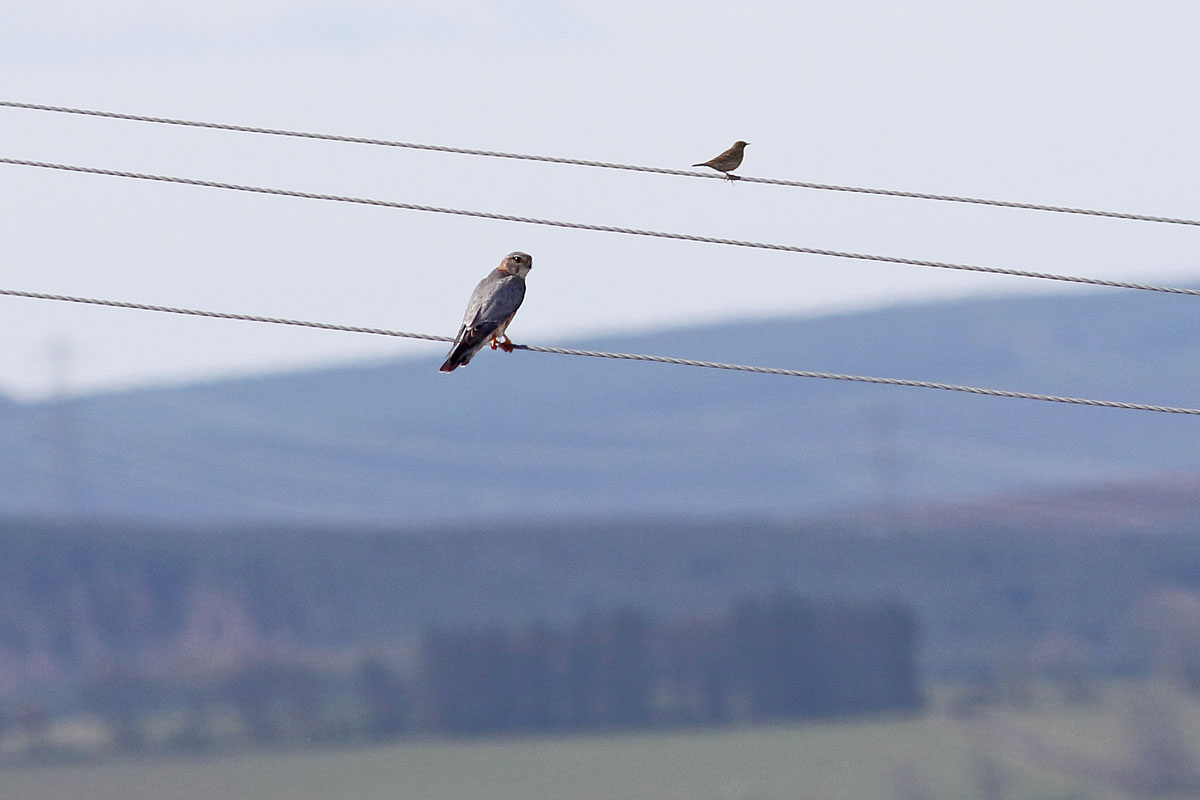


Male Merlin and his Mipit Mates. 


Sunday, April 03, 2022

The return of the Mollymawk...

Dear reader, you might recall that last July we paid a visit to RSPB Bempton Cliffs near Filey to see the Black browed Albatross that spent the summer there. Unfortunately for us it was away that day leaving us to stand for 11 hours albatross-less. 

Being a reluctant twitcher at best, although the bird returned to the great white cape and lived there on and off til September, I couldn't face the thought of another journey ending in a blank. A bit like the bad luck that befell the Ancient Mariner in the Samuel Taylor Coleridge poem I was doomed to failure.

Still, that autumn I had hopes that it would return to its favoured face in 2022 when, if I had recovered from defeat, then I would pull out all stops to see it. 

Zip forward several months to earlier this week, much earlier than anticipated, the Albatross had returned to its cliff.

Time to get get back on the horse so to speak...

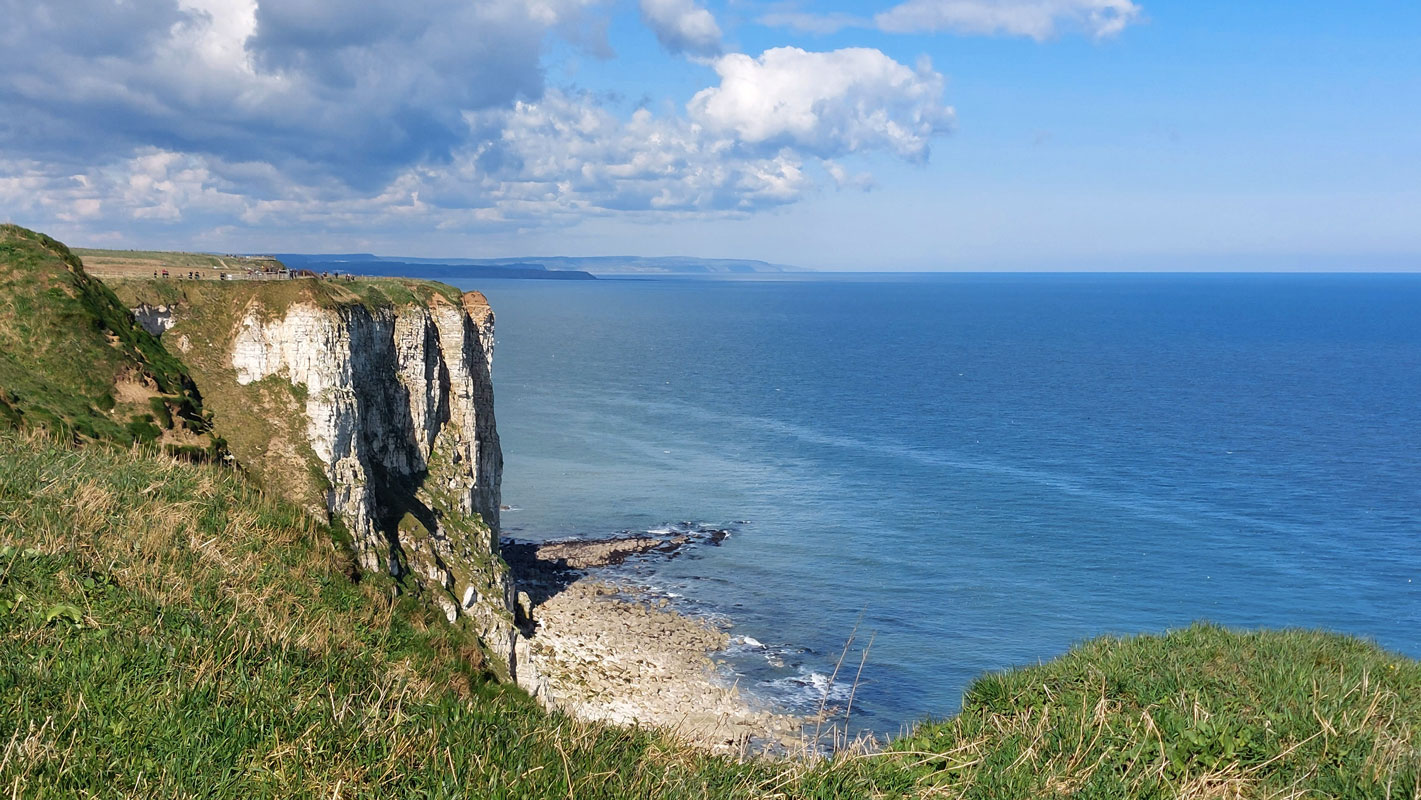
Bempton Cliffs RSPB. Thousands of seabirds nest here, but it was only one that brought us back today.

We arrived in the car park around 08.30 on a lovely bright, calm and cold morning. A short walk to the cliffs where some birders had gathered.
'Any news?' I asked. 'Its flown out to sea earlier' was the response.
You would think the clouds had closed above us. Gutted. Another long day lay ahead...

Or did it?

Heads down we strolled down to wards the view point. About half a mile offshore I could see some Gannets circling and landing on the sea so I thought Id scan with the bins. Straight away, there was the big stiff winged cross shape of the Black browed Albatross!  In a bit of a panic to get John on to it before it headed for the horizon some garbled directions such as 'There! There!' were given. It seemed to work as John quickly got on to it.

We need not have worried. The bird casually flew back in to the cliffs where it gave some great views flying around the Gannet colony for the next 45 minutes or so before retiring to rest on the cliff out of sight. We tried again after breakfast but it was a no show. A few birders arrived later and did not see it at all.  We knew how it felt.

Still, nothing could top the views we had. Our day was already made... 


Black browed Albatross.

[ PS. Mollymawk is the name for the group of medium sized albatrosses such as Black browed, an American term I think?]


Wednesday, March 30, 2022

False Spring.

 After a week of false spring, normal Northumberland spring has arrived. Its 4 degrees with a northerly wind and hail. This should be around until June give or take an odd glitch away. 

Still during the better weather although bird migrants remained elusive on the patch, a few moths, bees and plants sparked some interest.

Not being a plantsman, even common species can be lifers, so I was pleased with this Hairy Violet in the dunes south of Amble last week. It is very like Sweet Violet so I had to go back on Sunday for some confirmation pics after I knew what to look for.


Hairy Violet Viola hirsuta 


Those green things holding the flower are sepals. They are rounded making it either Sweet or Hairy. ( How many hits will that get me!) At the top of those are the sepal appendages (flaps, another hit counter gem). They are folded up to the stem not pointing away making this a Hairy Violet. It also had very hairy leaf stems. 

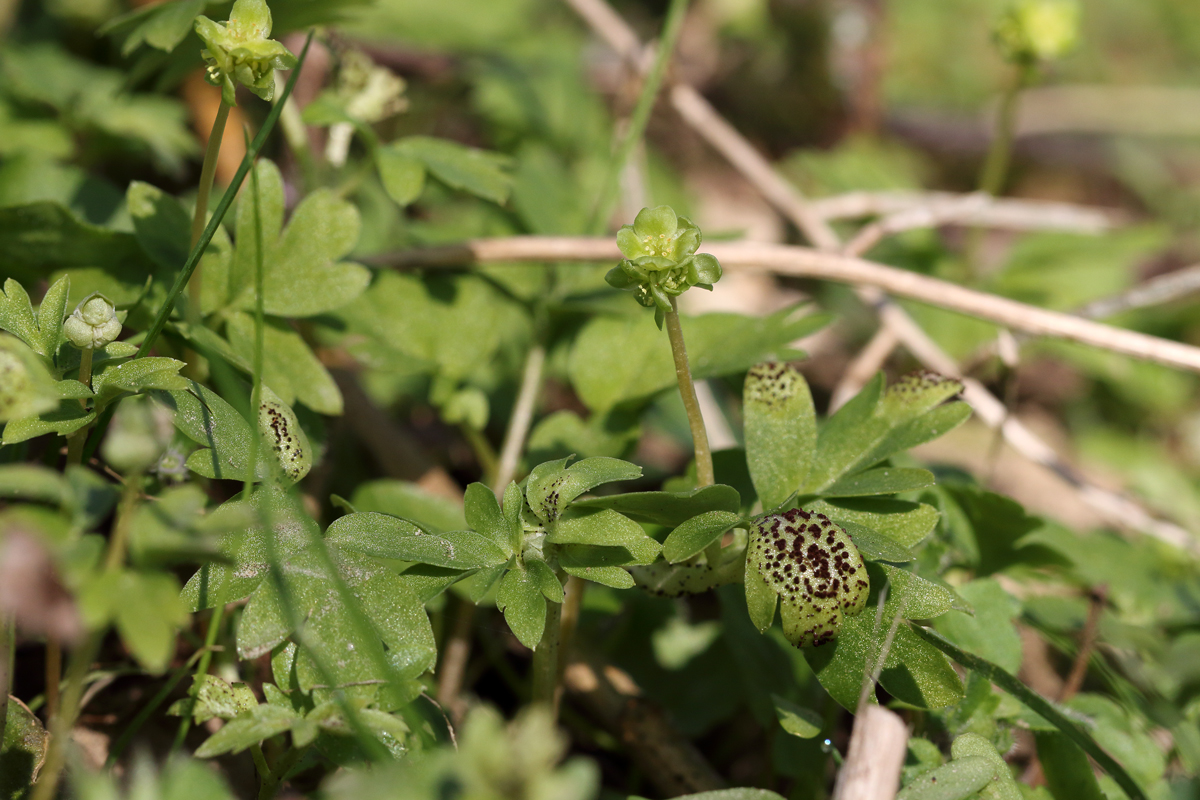
Another lifer, this time a likely first for Northumberland, was even more bizarre. On Sunday, I was photographing some small Moschatel plants on the alluvial deposits on the banks of the River Aln near Greenrigg when I noticed that one or two leaves had a distinctly mangy look to them. They were covered in spore like brown specks. I took photos of this feature and wondered if it was a smut or a rust of some kind, a small fungi related organism. Sure enough it is the parasitic host specific Moschatel Rust Puccinia adoxae. Probably no wonder it hasn't been recorded here before....who would!

Moschatel showing Moschatel Rust Puccinia adoxae on the leaves. 

Meanwhile, the moth traps have been reasonable. The Robinson in the garden has been out performed by the little bucket LED battery trap in the woods. Woods are best at this time of year while my garden is a bit exposed.


A bucket trap in the wood.

The catch.

Early Tooth Striped

Emmelina monodactyla

Shoulder Stripe 


On the plus side, the Bempton Black browed Albatross is back today. After last years dip, I hope it settles into a routine...

Wednesday, March 23, 2022

What a Star...

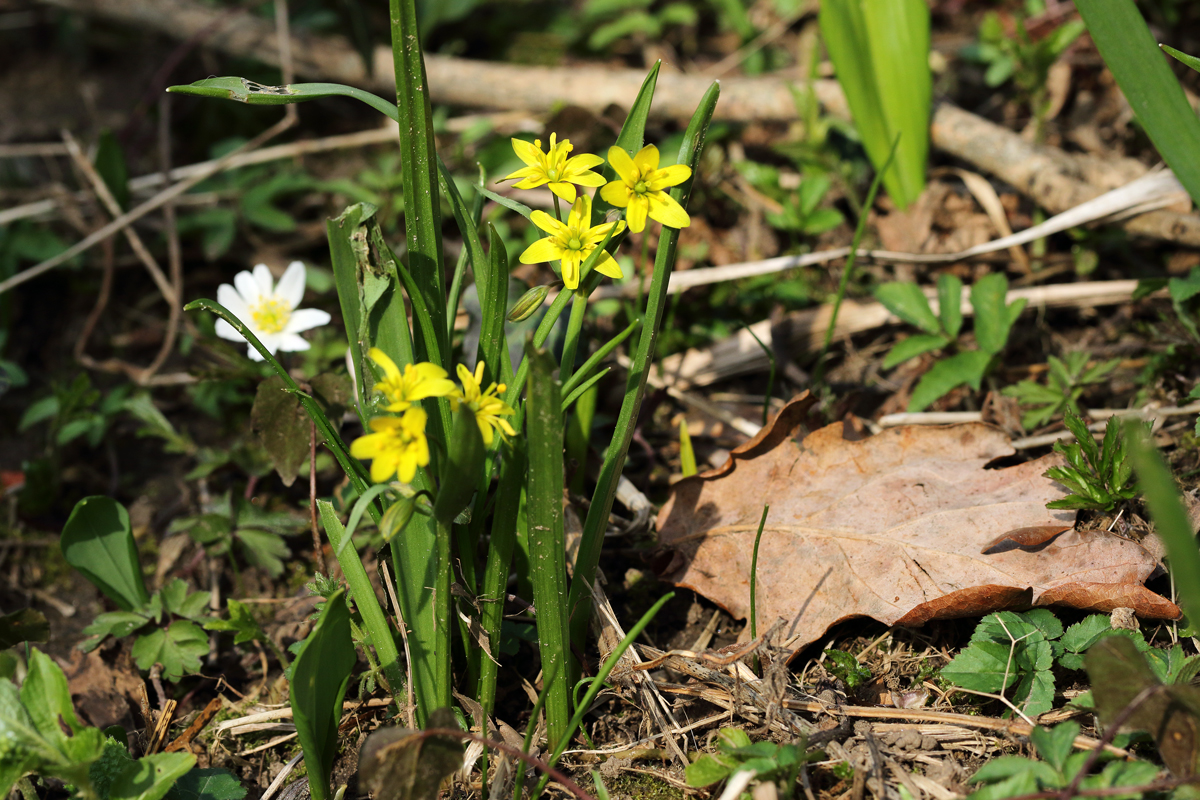
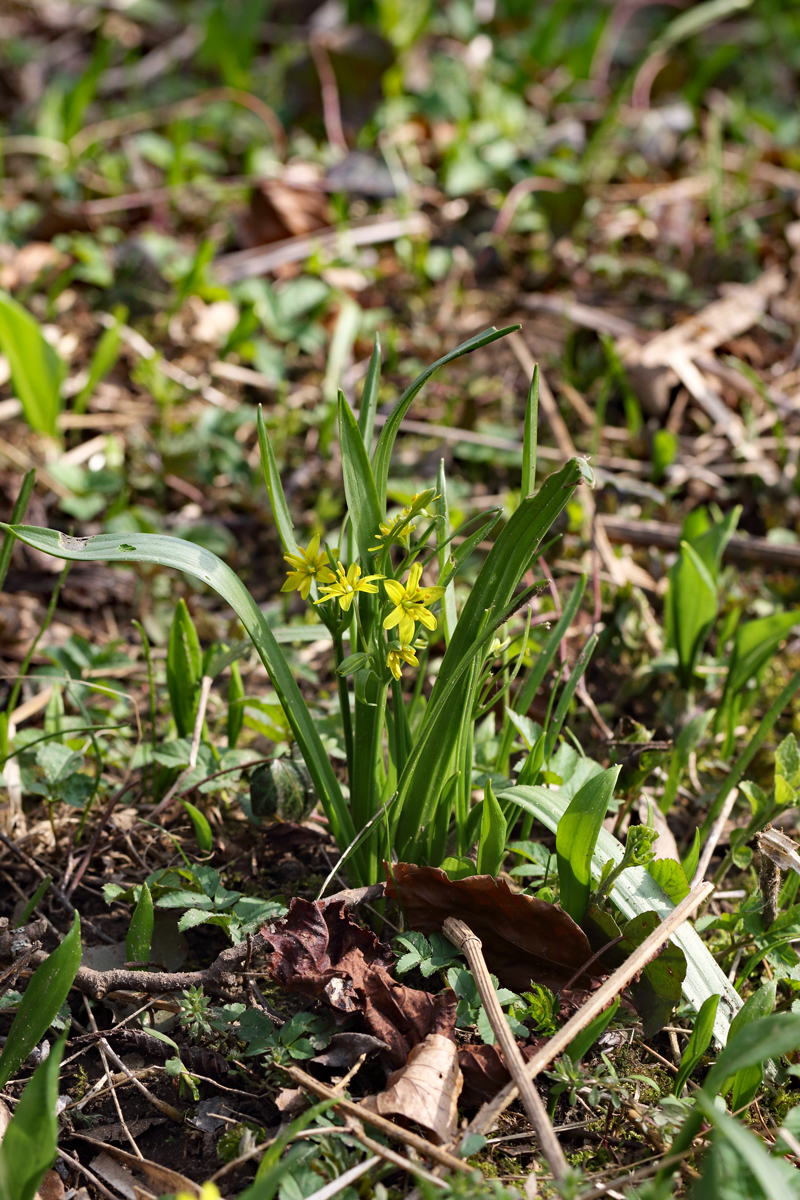
Yellow Star of Bethlehem Gagea lutea 

At lunchtime yesterday, I took a trip west, to Morpeth, to twitch a very special plant, the Yellow Star of Bethlehem Gagea lutea.  

The name Gagea comes from the 18th century botanist Thomas Gage. It is a rare plant in Northumberland and quite scarce or difficult to find anywhere in the UK. Often when spring has poor weather it doesn't flower at all. The leaves are similar to Bluebell at this time of year and it grows in riparian woodlands where Bluebells occur so it would be beyond my botany skills to look for it on vegetation alone.

Leaving the car in the small woodland car park, it was only a hundred metres or so on a pleasantly warm sunny afternoon to the spot. The area was dotted with Celandines and Anemones as bumblebees buzzed around the leaf litter. An angler beginning his season with the fly, bid me a good morning with a suspicious look as he passed. Maybe he thought I was the bailiff on the opening day watching for poachers?

For the first time I used the 'What 3 Words' app and a 3 mtr square ref given to me by a friend to put me on the exact place. It was very accurate too, well worth using in situations such as this.

In a small patch only two metres by one, around 20 flower spikes stood up, the lime-yellow star shaped flowers like tiny daffodils facing the sunshine. It was much more delicate than imagined, a lovely little plant. Things almost took a downturn when a Border Collie named 'Moss' saw me crouching for photos and came across to stand, smack in the middle of the flowers! Luckily I soon encouraged him that this was not a good idea and off he went with his owner leaving no damage to the flora.

A new species for me and a nice way to spend a spring lunchtime.


Monday, March 21, 2022

Equinox.

 Out and about recently, its been cold but dry and, dont say it, breezy. Later this week we are due a warmer spell so I'm looking forward to that. Its Equinox today too, so there's more day than dark now. 

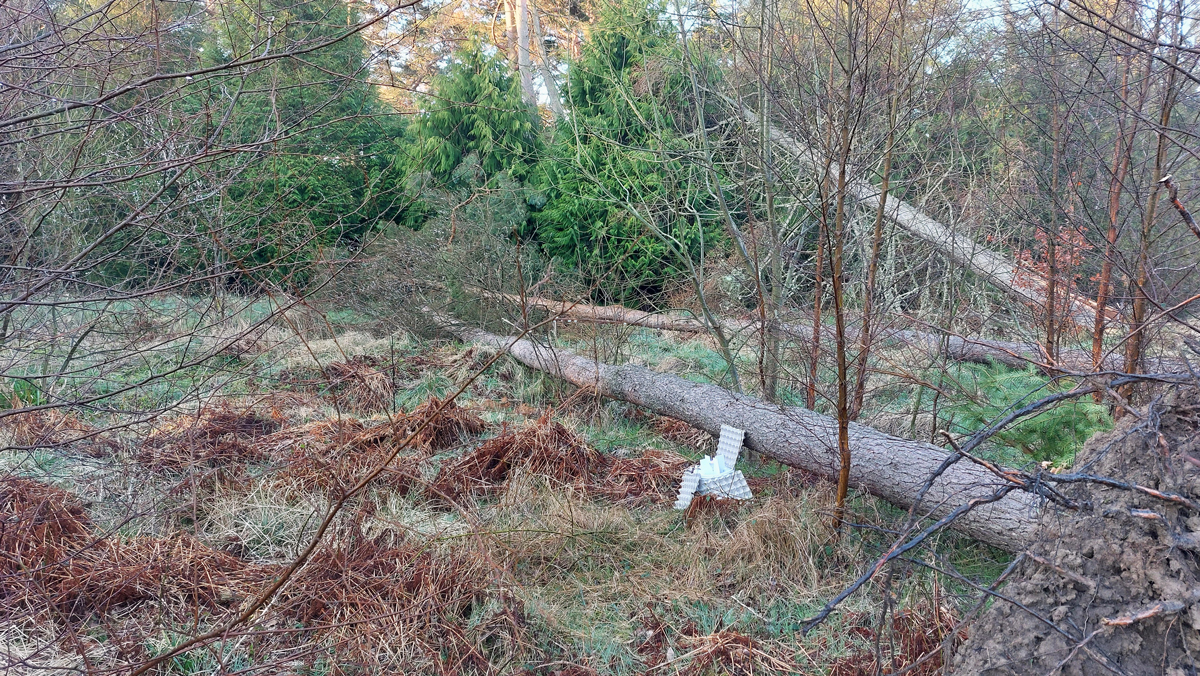
Yesterday we ventured to our inland area again hoping for a Gos, but drew another blank. I wonder if the damage caused by storm Arwen has anything to do with it? Massive areas of the upland pinewoods are now lying flat. We managed a few Crossbill families, Stonechat and a lot of Skylarks and Meadow Pipits back on territories but not much else. A short stop on route home brightened things up with our first Adder of the year. Just the one though.


A small stream corner was quite pleasant with lots of Chiffchaffs, a few tumbling male Lapwings, one showing the hen a scrape, singing Curlews, a mass of Frogs and Toads in the same pond and a scatter of Buff tailed Bumblebees on catkins.

The top wire of that old fence was electric and on. I got hold of it twice!

Lots of Frogs in that far damp margin with a few Toads out in more open water.

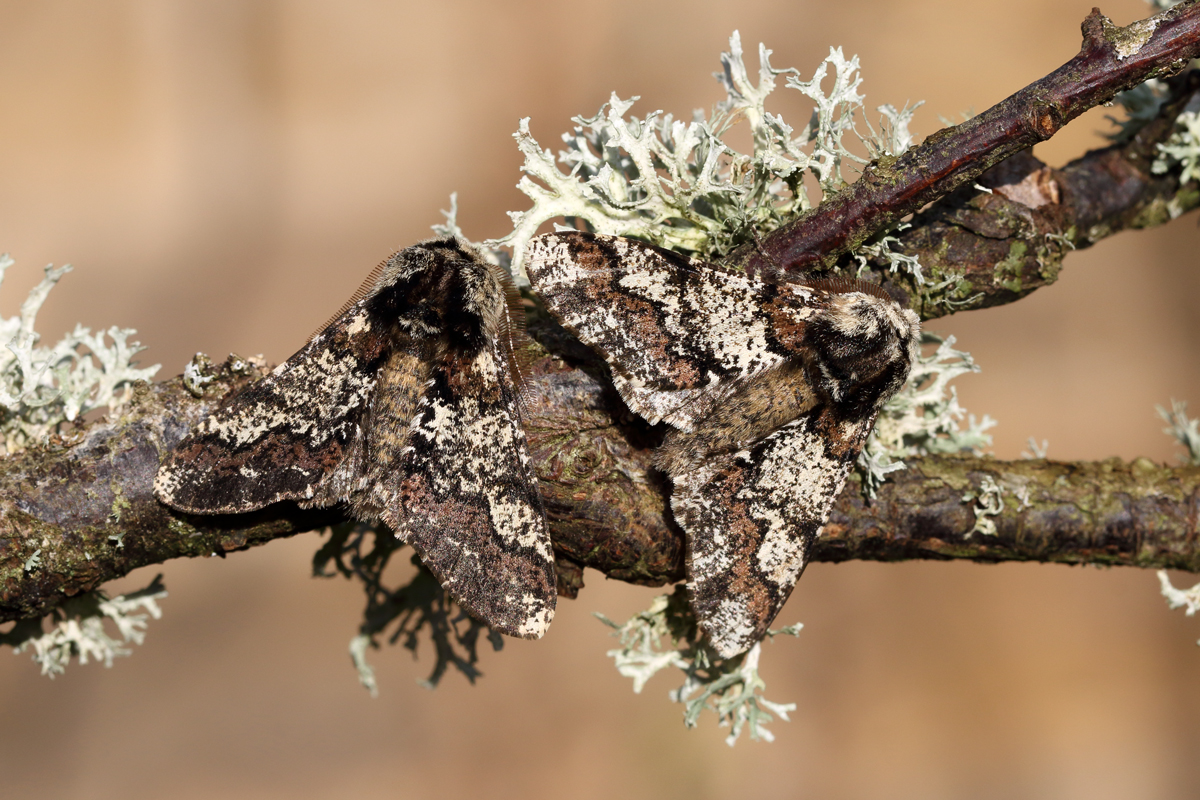
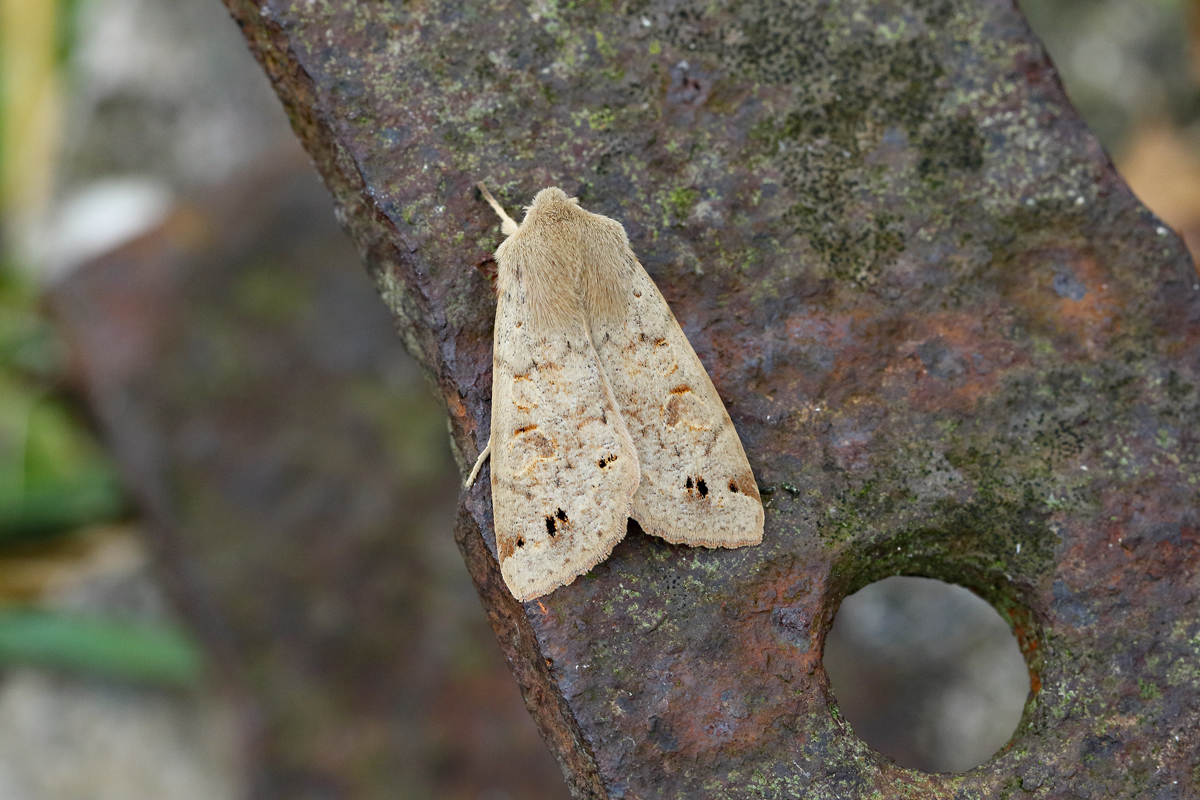
The full moon and frosts have kept the moth trap quiet but two Oak Beauties were suitably attired in furry clothing to brighten one morning. Lovely moths, scarce in my garden so always a pleasure to see.


Tuesday, March 15, 2022

Change...

  As spring proper rolls ahead at a pace, there is a definite change on my manor.

On the 6th March my first Buff tailed Bumblebee and Peacock butterfly made an appearance, then on the 10th an emergence of Toads crossing the lane end at dusk is always pleasing to see. 

Also on the 10th, en route for a takeaway ( Chinese, if you are interested), a Brown Hare was sat out in the road illuminated in the car headlights. Its a very rural area with  no other vehicles so I turned the dipped lights to just side lights and stopped. As it was soon made obvious, this Hare was a female who was suckling a tiny leveret maybe only a day or two old on the road. She ran across to the other side, flipping junior over to be left alone.  Knowing that these tiny babies are very independent from birth I sat and watched as this hamster sized lagomorph scuttled across only to get stuck at a wheel rut in the verge.

At this point, it seemed the best option to give it a wide berth as I drove past and check it on the way home.

Twenty minutes later I slowly retraced my steps and the little hare was nowhere to be seen but I could see the mother quietly weaving her way along the hedge bottom. Hopefully the youngster was lying in there out of harms way.

At 11.30pm a Moorhen called repeatedly as it circled our garden and headed off north.

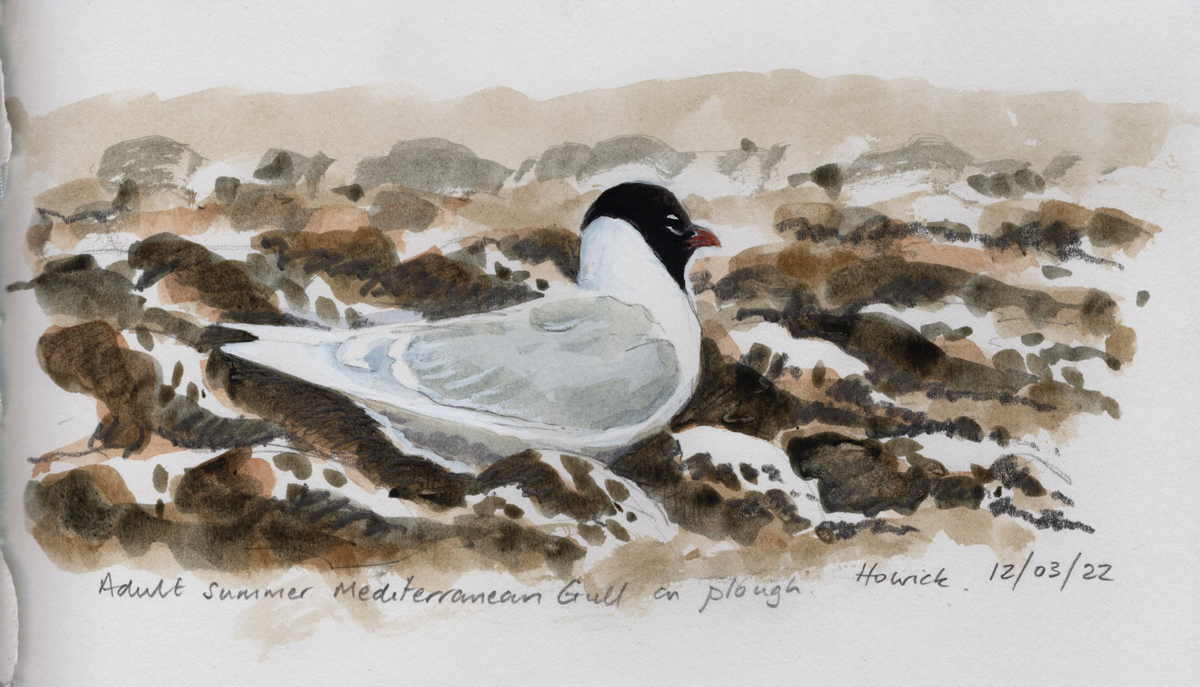
A small flurry of birds came on Saturday 12th. Farmer Tom was ploughing the Rectory stubble and was being escorted by an entourage of between 700 and 1000 Black headed Gulls. There had to be a Mediterranean Gull in this lot, so repeated scanning of the blizzard of gulls soon revealed the expected, lovely, dapper adult male Med standing on the plough in full summer plumage. What a smart bird.


 The first Chiffchaffs of the year made an appearance with up to 4 seen and heard around the pond field.

On the way back from the walk, the Water Rail had returned to the burn near the bridge but as per usual  ran off into cover in a flash. Other birds noted were 25+ Siskin, 1 Fieldfare, 4 Redwings ( one was singing today), 2 Buzzards and a few Meadow Pipits.

On Sunday 13th, John came over first thing to have a wander. The main reason for not going to Boulmer or the moors was that I had put the small bucket moth trap in the wood over night and I needed to retrieve it. While my large garden 125w MV Robinson caught a single Hebrew Character on a cool windy night, the little bucket caught 35 moths of 10 species. Habitat is everything at this time of year.

Twin spotted Quaker, its a while since a moth has graced these pages.

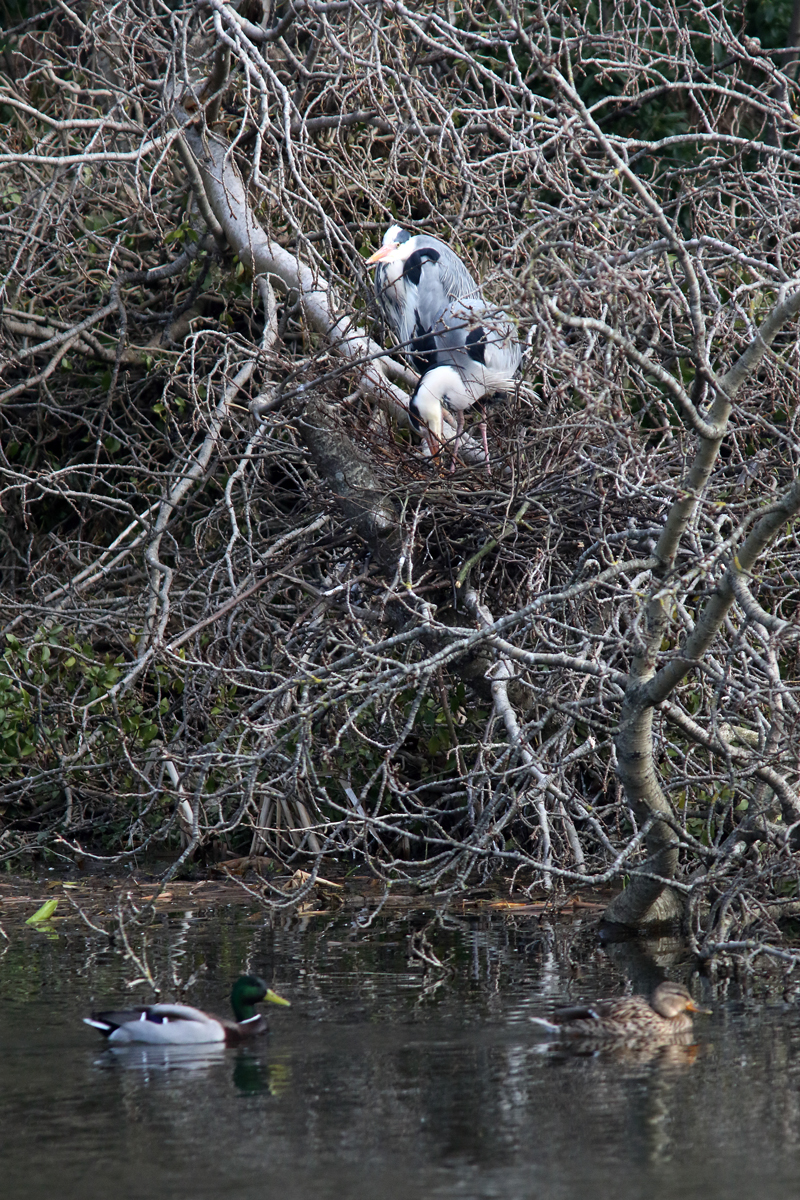
 Birds around the patch included 11 Fieldfares, 3 Lapwings S, 1 Raven over the road seen well quite close to, 2 Grey Partridges, 2 Treecreepers, 1 male Greenfinch and a pair of Grey Herons have built a nest only three feet from the water surface in a fallen tree at the pond field. Not even a usual nesting tree either. I hope it is successful.


Today was a fine day. Working from home gave me a chance to have a couple of walks out early and lunchtime with Peggy. The Raven was in good voice, 2 Grey Partridges, 2 Yellowhammers a singing Goldcrest on the coast, a singing Redwing in the village and a large total, for here, of 6 Magpies together in the back field.

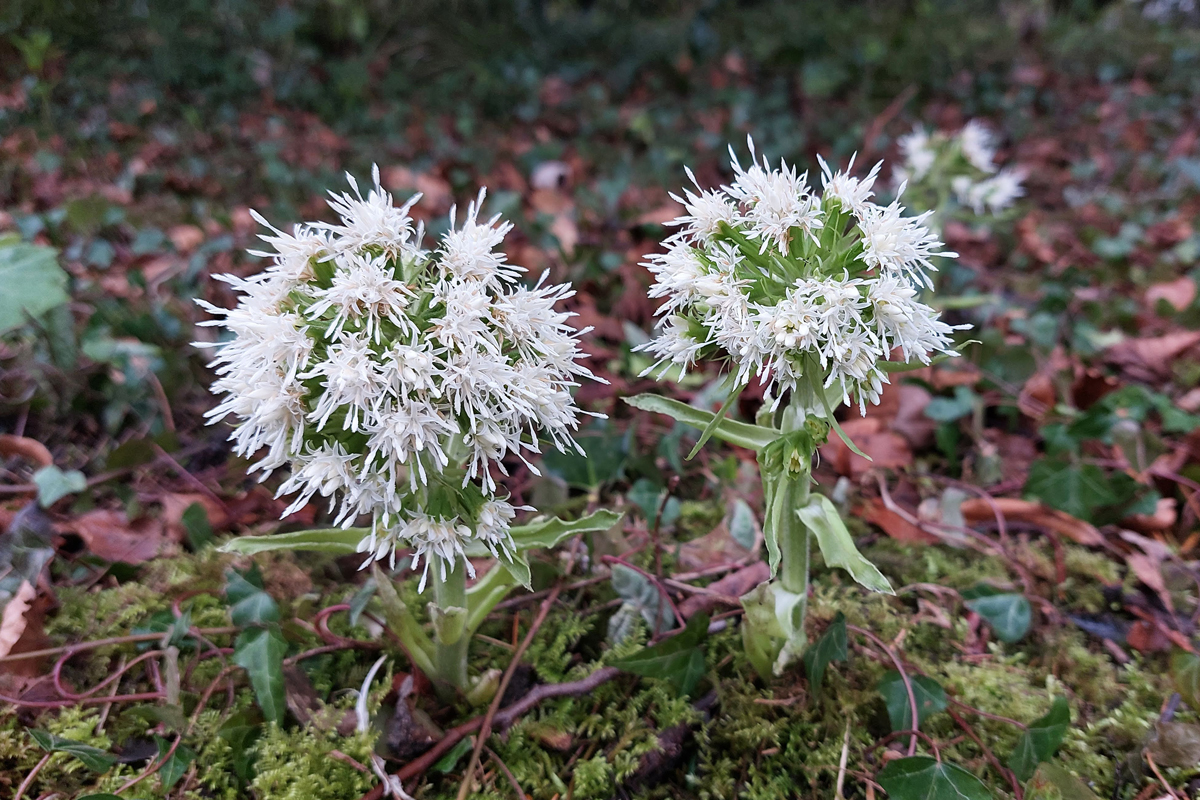
Away from birds, a few Buff tailed Bumblers and the years first Tree Bumblebee  were near the Hall car park with the first Marsh Marigolds, Lungworts, White Butterbur, Ivy leaved Speedwell and Primrose in flower. 

White Butterbur a naturalised species in the woods


Monday, March 07, 2022

County Tick...

Seems a bit frivolous in light of the state of the world right now, but it's good to get out into the fresh air to clear an anxious mind.

 For a change the wind had dropped right off giving us a lovely spring-like day. John wanted to check out new bins at 'In-Focus' who had an open day at Hauxley reserve so this seemed as good an opportunity as any to try for an elusive, but now resident, county tick.

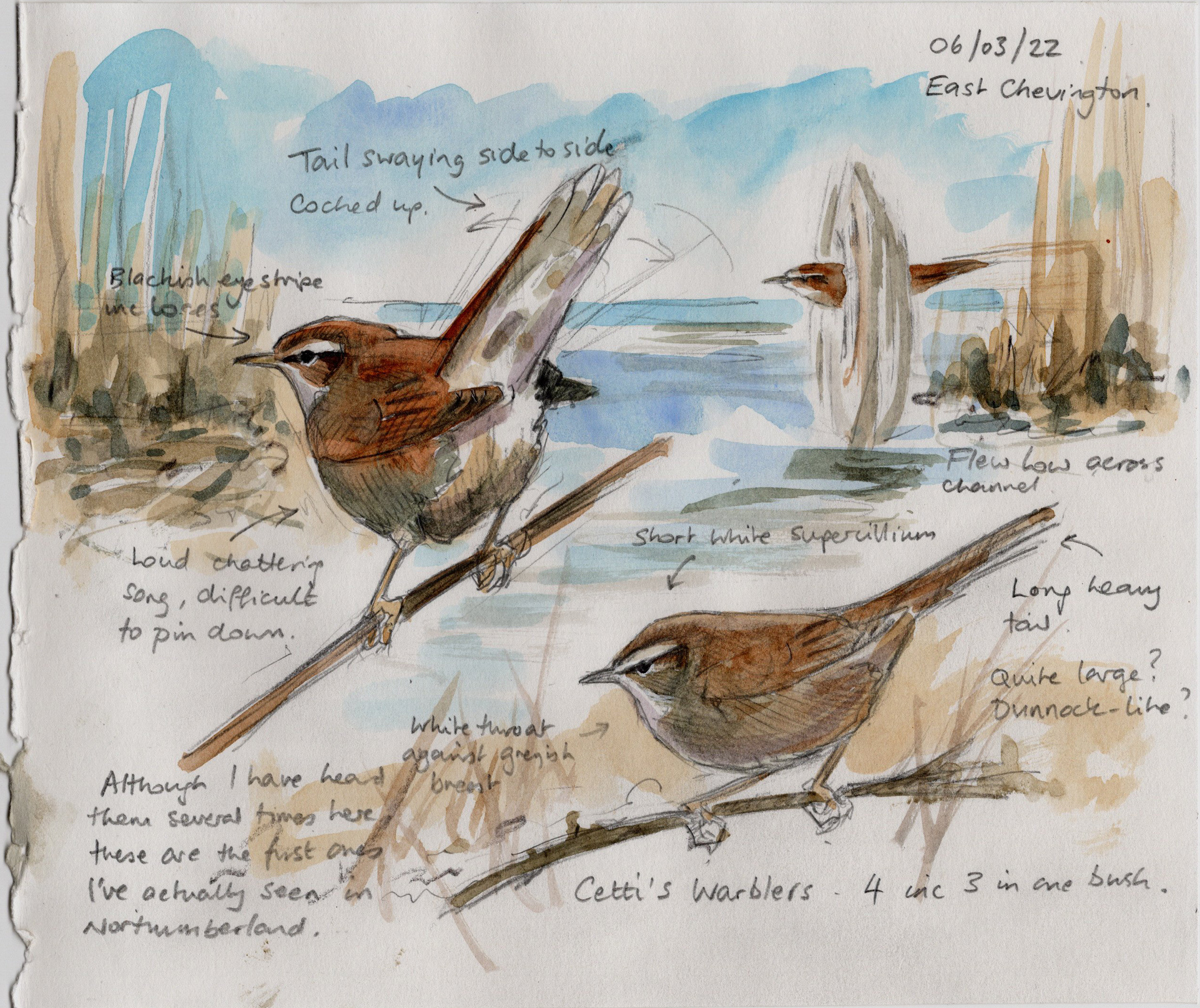
The ever skulking, impossible Cetti's Warbler has been a reasonably new resident in Northumberland with records dotted all along the coast over the past decade, but the stronghold for them here are the large reedbeds of East Chevington. I have heard singing birds there several times over the years but none have shown. We even twitched one that had been at Low Newton for a period recently to no avail. In addition they can be found at Big Waters and occasionally in other spots too so it was always going to be a list addition, one to keep in the back pocket, so to speak. 

A lot of people are happy with adding a bird to a list on call alone, something that I do for the local patch year list, but whenever its a county or UK first, I like to have a sight record, just for completeness.

The weather and timing were good for a chance of seeing these ginger, swamp dwellers and we had planned an early spring visit for a few years but just hadn't gotten around to it. There is always something else happening. Having seen Cetti's in various places further south and abroad, there was never any great push to get one up here, but is was always in the back of my mind.

We parked up at the south end of the North Pool and headed up to the South East corner hide, a good place for them. As we arrived at the track to the hide, the machine gun rattle of a male Cetti's could be heard in the tall reeds about 100 mtrs away. The sun shone and it was calm on this side of the reeds so hopefully one might appear.  

After about 15 mins the song came again, much closer this time, in a wedge shaped island of reeds between two cut channels. Surely we had this one in the bag now, its right outside the hide and it has to venture into the open to move around. Then after a few minutes, a small brown bird flew like a bullet out of the reed base across the water and it was gone. Seen, but not quite what we had in mind.

As we waited, a Water Rail flew across the same channel, squealing as it did so. It then landed, did a funny jig around before vanishing into cover.

Then, Cetti's song came from behind the hide at our backs in some hawthorns.

We left the hide and moved along the track. Here some sparse small bushes grow from the long grass, and there at the far left was a movement. Through the bins it was calling, tail swinging Cettis Warbler. It looked a bit agitated, then it was soon joined by a second bird just as jittery as the first. They chased around tails waving and calling as they went. Then a third bird appeared that we took to be a female, as it remained quite calm and quiet as the other two ran around the bush for a while before breaking away into thicker cover.

Not bad, 4 sightings of at least 3 birds far exceeded our expectations, leaving my Northumberland List on a nice rounded 360 sp.


 After that we headed up to Hauxley where Willow Tit and a few hundred Pink feet were the highlight ( after the superb Swarovski NL Pures of course).

Back home this afternoon in the warming sun, my fist Bumblebee and Peacock Butterfly of the year were both on the wing.


Thursday, February 24, 2022

A Red letter bird.

My local patch list is kept on a colour coded excel spreadsheet. The species are listed down the left hand column and the years are horizontally along the top. I've described it on here before, so to get the full boredom feel, see link. 

This makes it easy to monitor the species, what is missing for a given year etc. The exciting bit (well ok, the exciting bit for me) is to see how many 'red' species turn up in a year. These are species recorded on 3 or less years since recording began in 2009. The birds might not be rare on your patch or on a national or even county level, but on mine they make the heart skip a beat.

On Tuesday one such species turned up for the 2022 list, my first 'reddity' of the year.

At lunchtime I was out taking Peggy for her walk. The coast seemed quite busy with a  layby full of cars, so we headed off down the 'Teepee Track'. It is a bridle path that runs south from Seahouses Farm where it passes the now defunct site of a reconstructed neolithic hut. It's a mostly bird barren site apart from a stubble field that holds a few finches and larks and it was while scanning for these, the birding took a turn for the better...

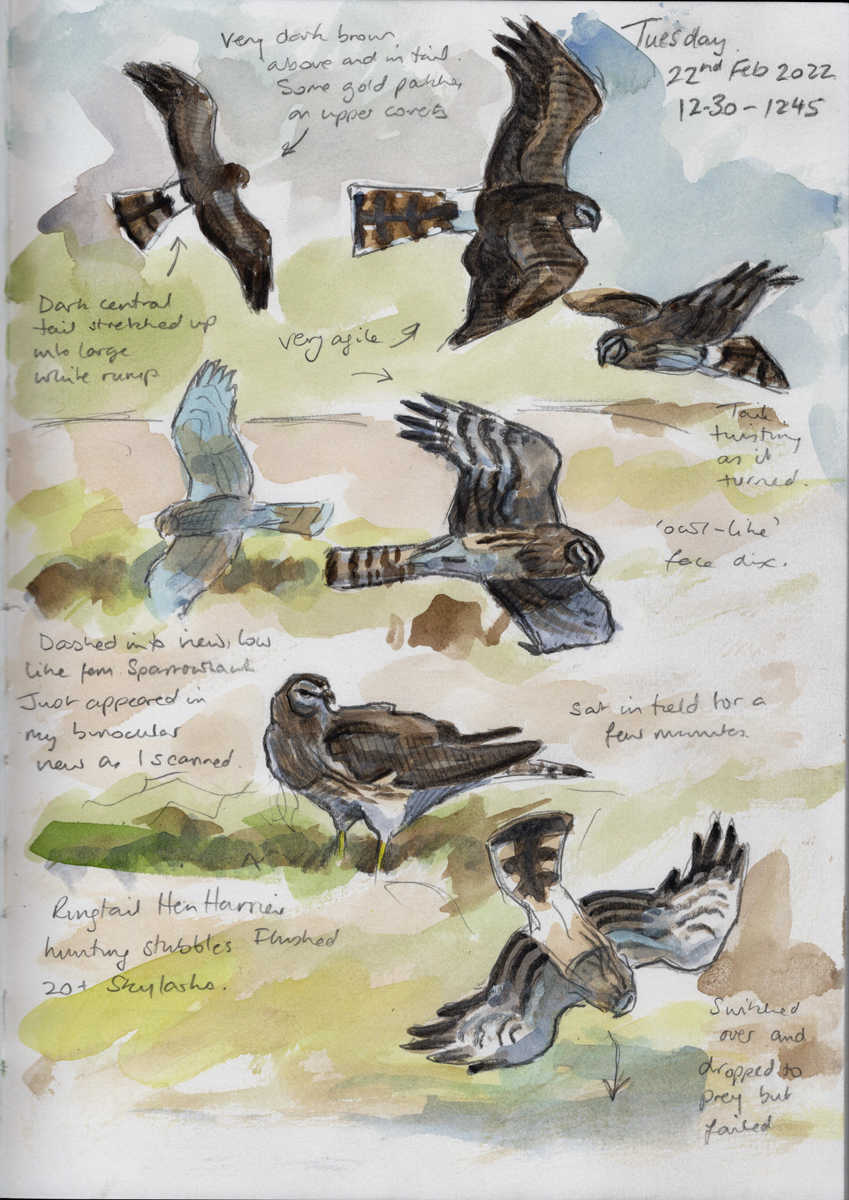
We were stood on the old teepee site as I scanned north west across the field hoping for a twite or lapland bunting or even a Meadow Pipit that has not shown so far this year, when, into my binocular view , dashed a direct, low flying, raptor. The first thought was female Sparrowhawk but it looked odd, darker, when it turned to reveal a massive square white rump - a ringtail Hen Harrier!

On this site, Hen Harrier is a knee trembling rarity with only one previous record from 2010 during that hard winter. Concentrating, I leaned on the fence to get the best possible steady views of the bird, thinking it was just passing through. Luckily for me, it was in hunting mode and began quartering the stubble, hovering, sometimes with legs dangling before changing direction and taking another line. It was flushing larks and linnets all over. The sun was behind me, lighting the harrier beautifully as it floated and pirouetted around the field for about 10 minutes. Once it even landed for a look around before getting back up and quartering its way to the north and off towards our village. I wonder if it went over our garden?

Without a camera, I concentrated as much as possible so I could do this sketch as soon as I got back in to the house...

What a great 'red box' bird for my Local Patch year list... 


Monday, February 21, 2022

A flock of storms...

These storms are beginning to irritate now. We've had roll call of  Arwen, Barra, Corrie, Malik, Dudley, Eunice and Franklin since 26th November. I knew when we had those two weeks of  fine, calm, weather in January that we would pay for it. This last week we have had three of these storms and it looks set to be windy for the forseeable.

As a result, I haven't been too far birding and the last two Sundays have been written off due to the weather. Roll on spring!

Around the village this last 10 days or so birding has been done while dog walking with a few things into the notebook.

The back field flash still has a tiny puddle of a marsh that held 4 Snipe the other day and 6 Skylarks flew N, the first signs of viz mig this year.

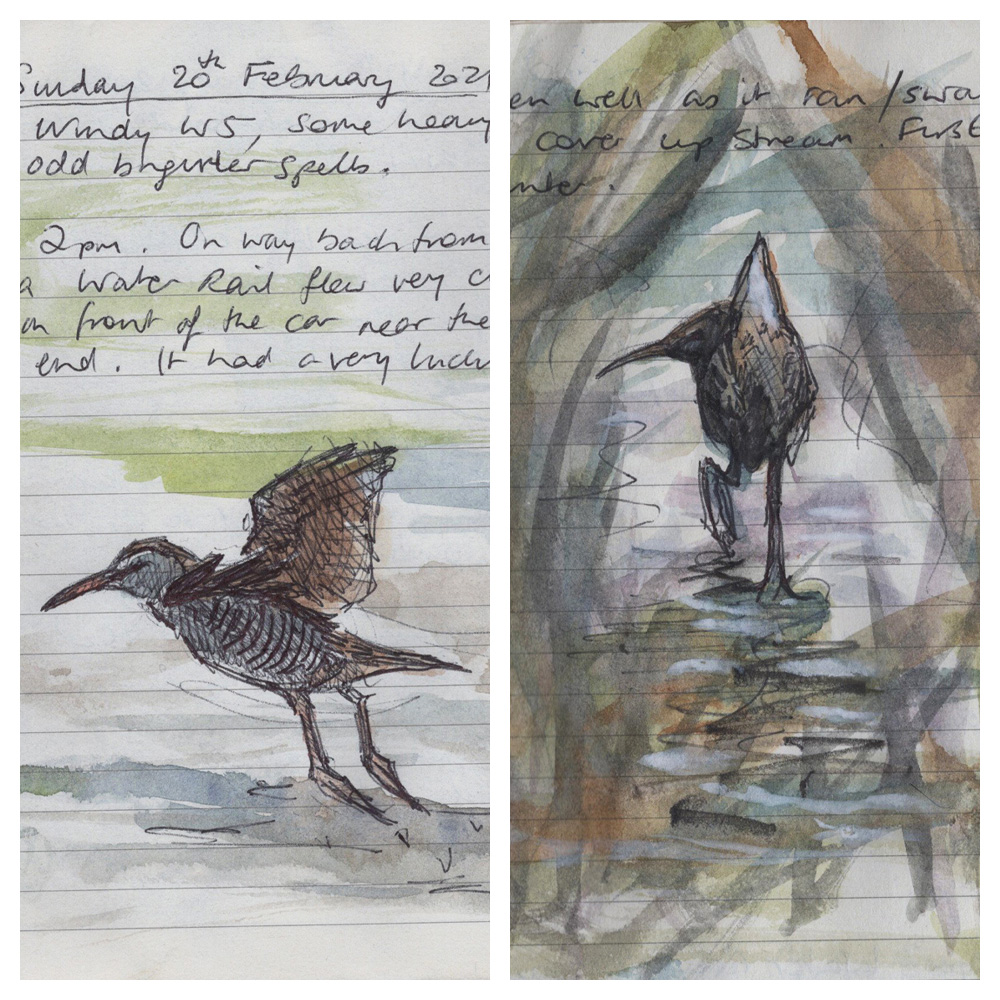
 On Friday I was pleased to see a Water Rail in the village burn, my first this winter. It paused briefly before scuttling off upstream at a pace. Yesterday, it had a near miss as I drove along the lane when it flew very low right infront of the car into the hedge across the road. Luckily I make a point of driving slowly here as there are always Blackbirds or Roe Deer popping out.

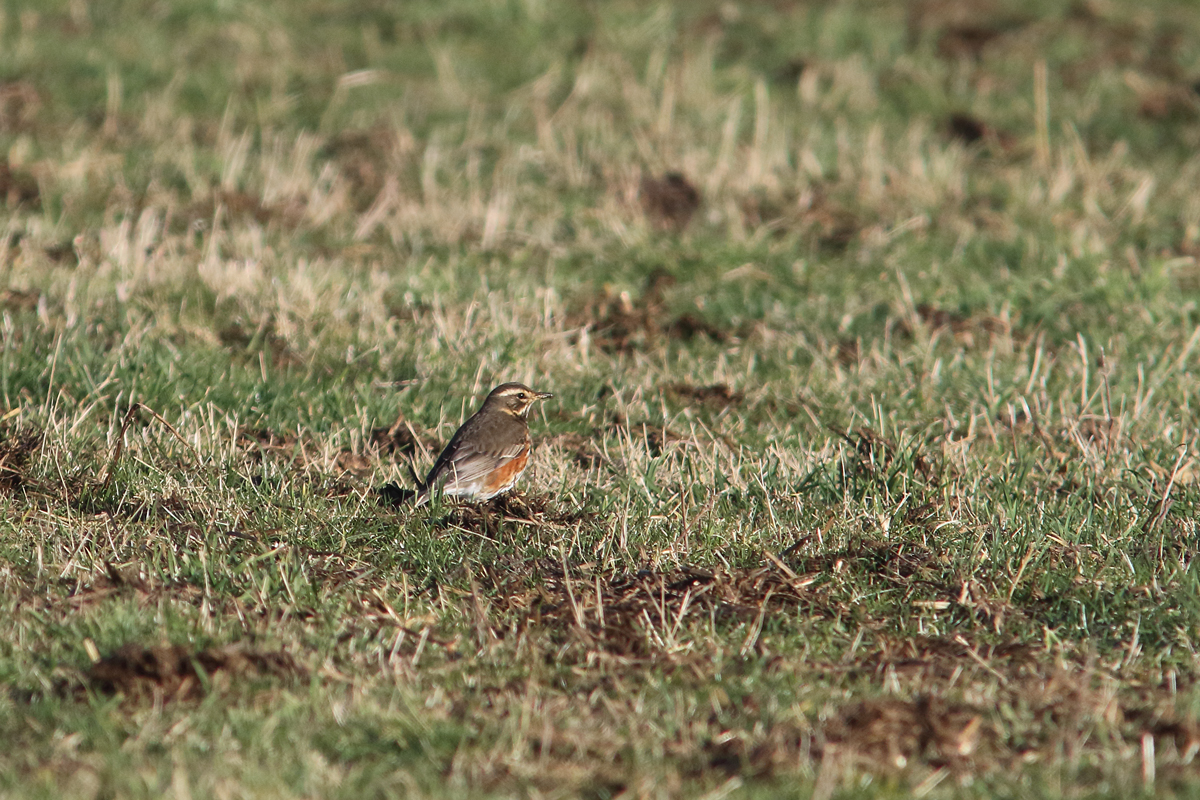
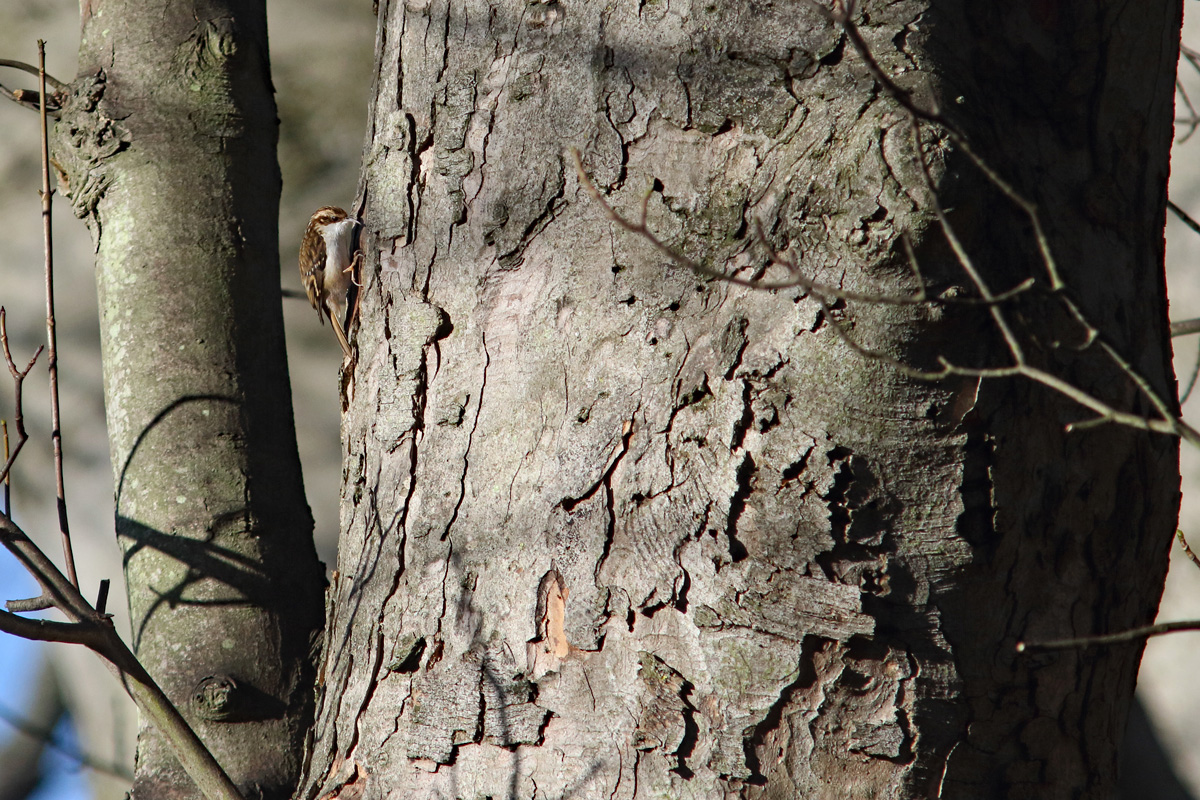
A large flock of 90 - 100 Chaffinches are feeding in the Rectory paddock but there are no Bramblings with them, yet. If the flock holds until April it should attract a few on return migration. Also here 9 Redwings but no Fieldfares. In the wood, Treecreepers are vocal, while Sparrowhawk and Buzzard have been seen each week. 

Not much there to set the ornithological world alight, but there is always something to look at. Maybe this northerly off  'Franklin' will give the chance of a white winged gull or even better, its namesake in coming days?


Redwing.

Treecreeper


Thursday, February 17, 2022

Storm Dudley and Storm Eunice..

 That's another one over, this time unscathed. Dudley did some sabre rattling but left without satisfaction.

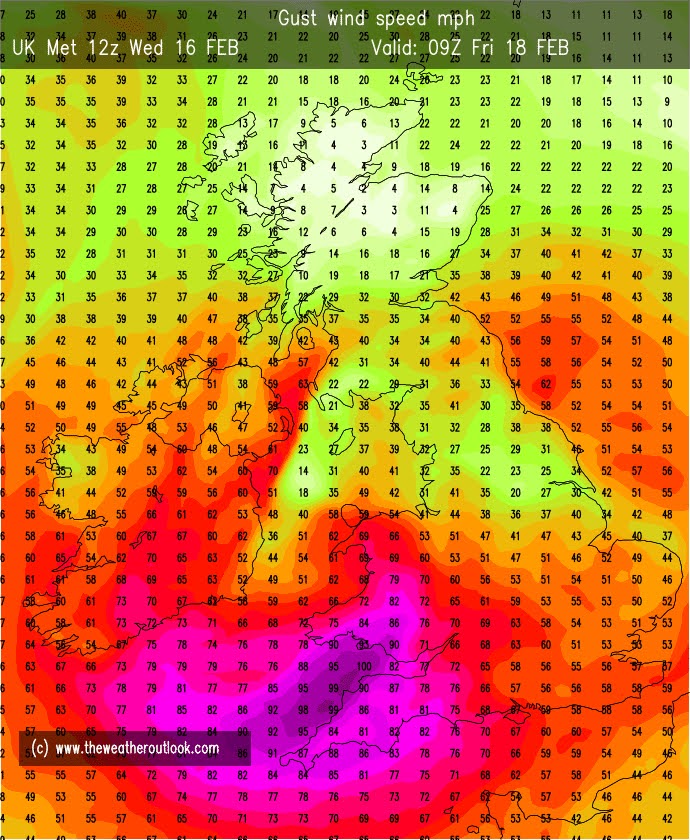
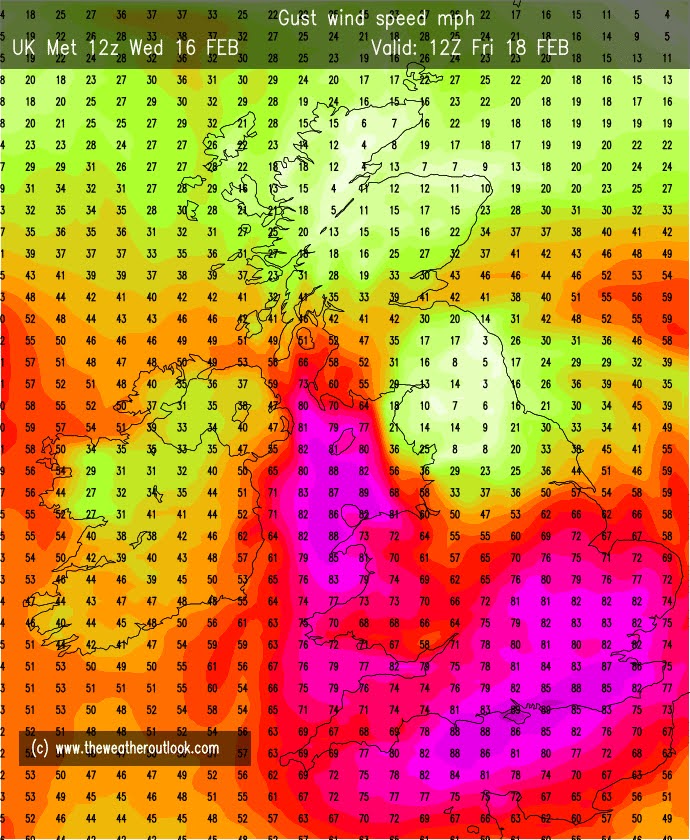
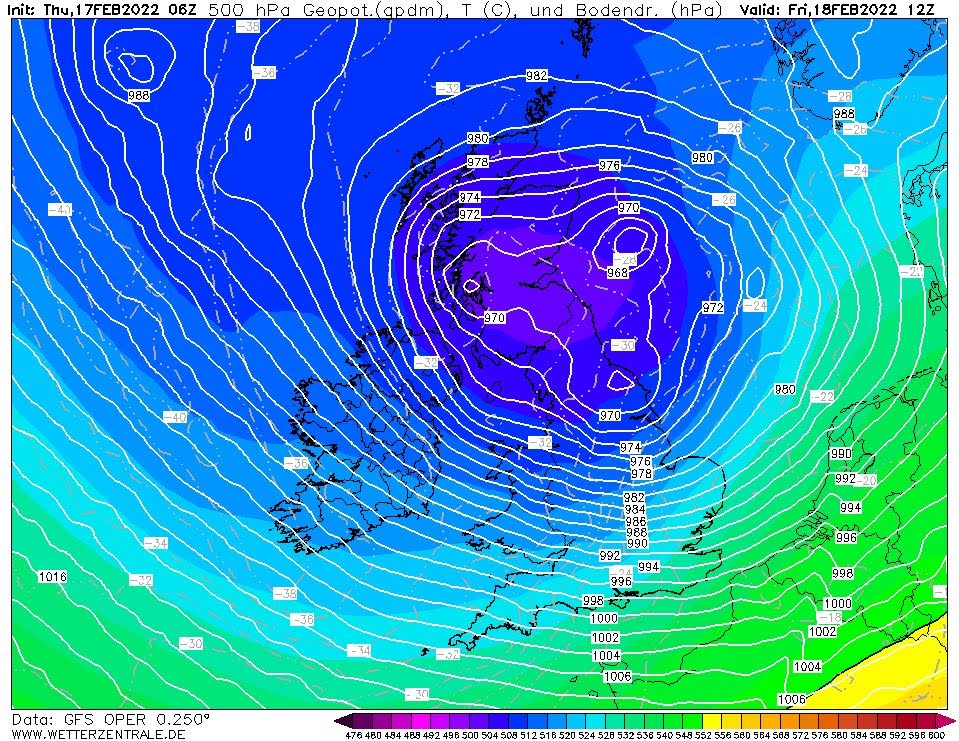
Now its time to watch Dudley's neighbour, Storm Eunice, a nasty little 'explosive cyclogenesis' of a storm who is due in tomorrow.  This time, it looks like the South of England will be worst hit with 80 mph winds even inland, but we are not going to be sunning it here, the north flank of the low pressure is due to give us snow and blizzards. Which is nice.

My own thoughts on these ever more regular features of the weather are divided. The main part of me hates it and just wish it would stop, but in the back of my mind, I always wonder if any birds will be displaced by it.

As I write this, the Met Office has upgraded Eunice to a Red Warning. Yet, loads of messages on social media are joking about it and how it might blow their wheelie bin over... Good luck to anyone in the red and amber areas, stay safe....

As Eunice arrives in the SW these are expected wind speeds.

Eunice tracks further inland...


Monday, February 07, 2022


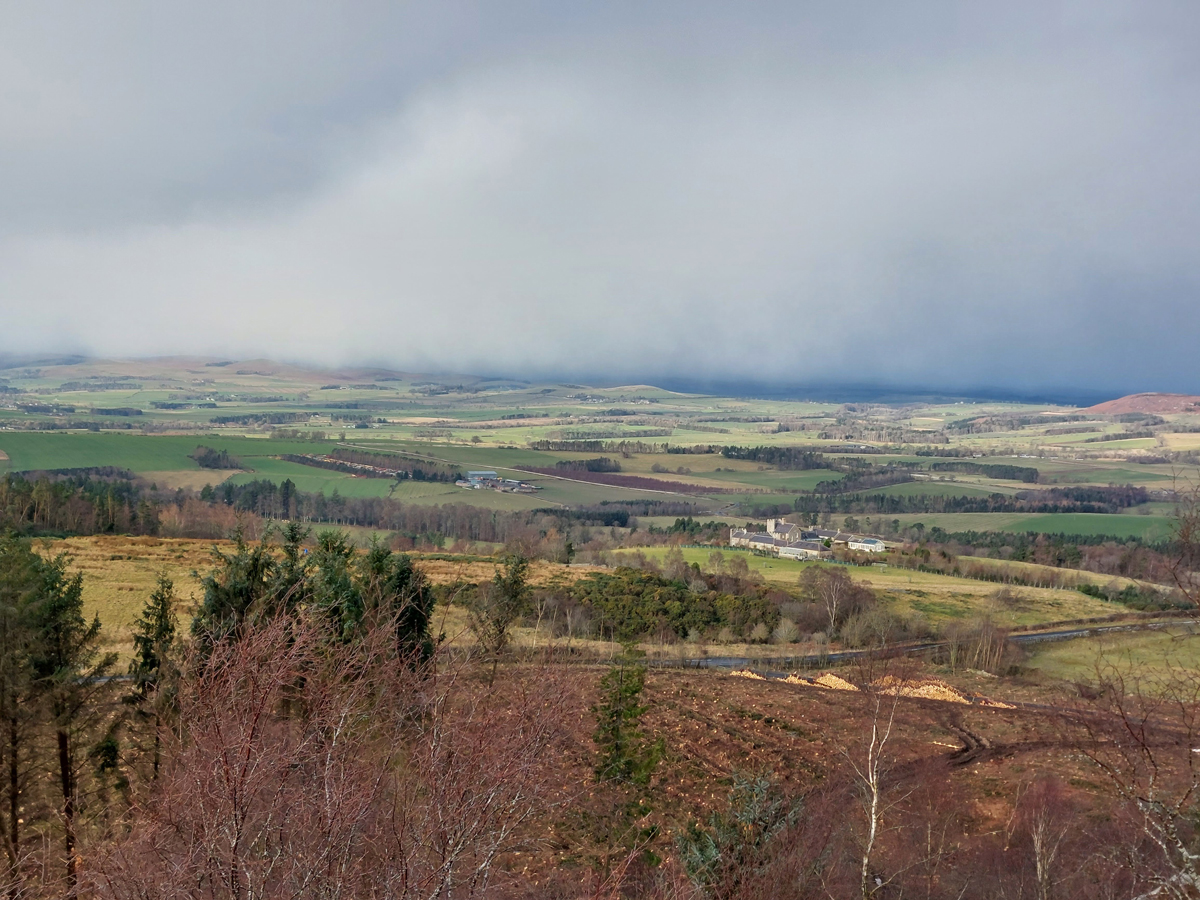
The View West towards the Cheviots. You wouldnt want to be up there today...

Sunday was cold and windy, with a W5 being particularly irritating. 

February is a slow time in Northumberland so rather than face the visitors at Boulmer we headed inland for some solitude. Maybe a bit too much solitude as even the birds were keeping a low profile.

I wanted to check out the access to Corby Ponds, just to see if we will be able to get there at all come the dragonfly season. Many woods around here are totally inaccessible after the storms so I didnt expect anything good. As it happens, apart from a couple of trees across,  the ride through the wood was free of obstruction. A few Crossbills were flying around, one song flighting, and a small flock of birds keeping out of the wind comprised of 3 Lesser Redpolls, 12 Chaffinches and a Reed Bunting. 

Then a sleet squall came in forcing us to take cover in the pines for a short spell until it passed over.

The dragonfly pond is looking good, and I cant wait for some nicer weather later on to get back up here for some invertebrate hunting.

We then checked out Oxen Wood ( top photo) at Lemmington Crossroads. The pines have been felled leaving an unfamiliar look to the landscape but it should let more light in to some nice Green Hairstreak habitat.

And that was the morning about finished really. Not much in the notebook but at least we got some excercise... 

The dark, peaty waters of Corby Pond in the sleet. Hopefully the scene will be better next time we visit.


Tuesday, February 01, 2022

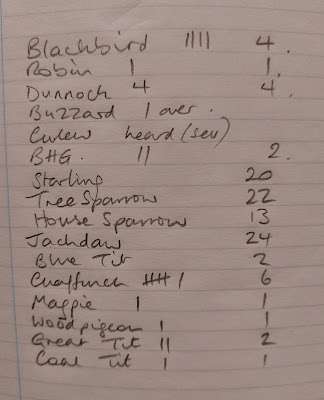
Big Garden Birdwatch.

 Sunday morning was calm and fine, a pleasing contrast after the blasting we had on Saturday so we did the garden bird count. I watched the kitchen window, Jane from the other side in the bedroom calling out additions.

Totals from 10.50 - 11.50am.

The list is pretty much as last year but without Great Spotted Woodpecker and Sparrowhawk. Both species are around, just not in the hour we counted.

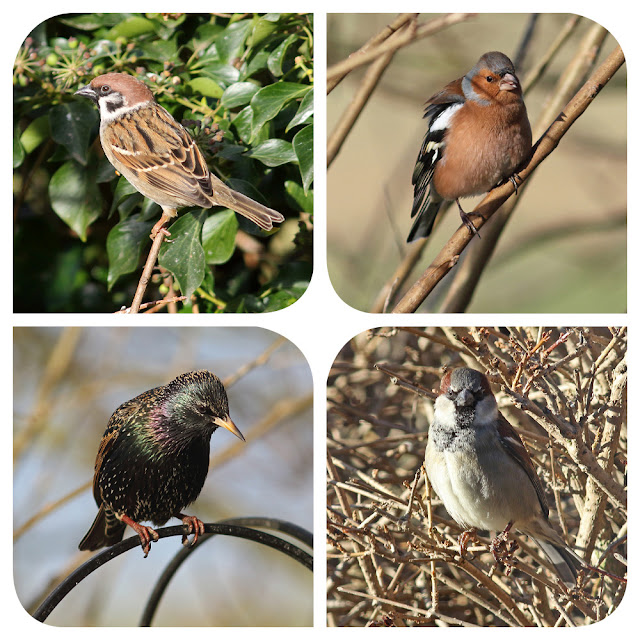
Its still great to see my second most numerous species after Jackdaw is Tree Sparrow. I have had up to 32 birds this winter but only the 22 today. The RSPB webpage for recording the count doesnt have Tree Sparrows as a standard garden species so I had to add them as an extra with no number. People are telling me it is possible to add them so I'll see if it can be edited.

Some of the cast as seen from the kitchen window...