Showing posts with label Pan species listing.. Show all posts

Wednesday, June 24, 2026

More thoughts on PSL...

How things can change in a week. Sometimes we need to have a word with ourselves, to bring us back to reality, a grounding if you like. In recent times I have not only been birding or mothing. I have been looking at everything from Spiders to Mosses and Beetles to fruit flies. All that I have identified or had identified for me have been carefully added to my list. What used to be on a crappy old spreadsheet is now on a fabulous all singing and dancing searchable website.

Today, the alarm bell has rung. While I was already awake.

Seth Gibson, Alastair Forsyth and Steve Gale have all debated the topic on their blogs, that I have read with great interest. These three naturalists and bloggers are a real inspiration to me, so when one speaks I tend to listen.

The thing is, with the rise of PSL there is perceived to be a decline in actual biodiversity recording standards whereby listers are not being as rigorous as they should be when listing a new form of life.

Where people are concerned, no recording system with a competition factor will be clean. Looking on the PSL website, I see that Red necked Nightjar has been included by one observer, who would need to be at least 180 yrs old to have seen the only British record! That's their choice I suppose, but the species on my list are at the very least, plausible, and most are accurate with a few being aggs, or the commonest of a bunch based on distribution etc, but I if I tick a species on that basis, I will not add a congener as I couldnt be sure its different to the one I already have. For example I have Dandelion but not to species, I have Mouse Spider as Scotophaeus blackwallii as it is by far most likely but Ive not had any scrutinised. Mouse Spiders twin will not be added without both being checked and the same with Dandelions etc. 

Things are added to iRecord but if they don't meet the verifier's criteria that's ok, I'll have learned something and will move on.

I know birds, moths, mammals, butterflies and most fish even, quite well, but once these groups are  becoming less likely to be a new addition, along comes flowering plants, fungi and invertebrates. Anyone who has perused the Naturespot site or the British Arachnological Society page for example, will know full well that very few of these can be brought to accurate species level without the use of various scientific methods and equipment. Yet we novices ( maybe not the right word? How can I be a novice after 50 years of wildlife watching?) still plod along trying to match species to images and text in books on websites and in social media. Maybe we ( I) are /am deluded?

I think I know the reason. I am not and never will be a scientist. I was and probably still am an Urchin, a Poacher, a Tresspasser, Billy Casper, BB, Ennion, Iain Niall, a Ladybird book, a throwback to times past. 

I don't have a microscope and have never really used a Dichotomous key. I might like to, but will I ever? I'm not sure it matters enough to me but who knows, never say never. I like to find new things for much simpler reasons, and no, its not to add to a list. It is to enjoy the chase, the find and the beauty. The list just keeps the treasures in an order where I can find them again. 

So I'm sure I and many others will continue in this way until we either see the light or give up. Keep on Listing folks, but try to keep it as real as possible!  

Oonops. Its one of the two...

Wool Carder Bee, added to the list today after finding my first in the garden on Sunday. A scarce species in Northumberland 


Wednesday, June 17, 2026

Pan Species Listing.

 This title might crop up on here from time to time...

Since I read Graeme Lyons book and did a blog post in April I have been quite project driven. When I say driven, I mean in my amatuerish plodding way rather than Graeme's '6,000 species in a year' driven. Check out Seth's Blog Here to get a better idea of my inspiration...

What I have been doing when out and about birding or whatever, even at work or shopping, is keeping an eye open for anything different and unknown to me. In the last two months that has turned up 60 lifers. To convert that into birder speak that would take me 10 years to get, not two months.

These records and any other stuff are added in to iRecord via the phone app or back home on the PC. iRecord is a second project running in tandem with PSL, where I am trying to add dots to the biodiversity map of our region. In the period there have been 240 new records added, not including birds that go through on eBird,, again paltry compared to Mr Lyons who will think nothing of adding 200 in a morning, but for me, its ticking along nicely. Some of those new species are being discovered retrospectively from photos, social media posts etc going back to 2019.

Today I have added three to the list - Three nerved Sandwort, Raspberry Weevil and a small Caddis Holocentropus picicornis. Yesterday I added Pepper-Saxifrage and Meadow Plant Bug Leptopterna dolobrata. All common enough species nationally but I've not knowingly met them before. 

I could do with getting a microscope really rather than relying on the help of others and photo ids, but I don't have  lot of space for a set up. Maybe one day...

Raspberry Weevil Otiorhynchus singularis


Pepper-saxifrage Silaum silaus


Three nerved Sandwort Moehringia trinervia


Wednesday, April 08, 2026

Being a Super Naturalist

 I reckon all birders keep lists of some sort. Some might deny this but from my experience it is an inherent activity for birders of all shapes, sizes and levels of expertise. Some people keep a list of garden birds, a local patch list, a British List, a Life List or all of them but birders don't hold a monopoly on list keeping.

There is another level entirely. The Pan Species Lister. I wont go into to much detail here other than to say it is the collection, in list form and of records of everything from Killer Whales to Lichen. For a fuller dive into it see here where Graeme Lyons explains it like a boss.  

Graeme has written a book all about it - 


I have recently finished reading this tome and can say it is an excellent read. It is jam packed with tips, info, anecdotes on how to tackle the mind boggling 72,000 species that live or visit our islands.

If you aspire to become a 'super naturalist' of even a mediocre one, there is no better place to start. The link I added above is to the PSL website where you can get involved. It is a partnership with BUBO listing that a lot of birders are familiar with. These two learning channels have inspired me to add my own tally to the mix. I have had a spreadsheet with most of my own records on for quite a few years now but as with all spreadsheets they become cumbersome and full of typos. The website helps iron these flaws out.

But whats the point of species accumulation you might wonder? Well, its not just for the list per se its more about the collation of records as a way of monitoring groups of species that might otherwise be overlooked. We cant help conserve species unless we know where they are and how many etc. Things like Birds, Moths, Butterflies etc have details records going back hundreds of years but what about Slugs for example? Garden weeds? Cat fleas! they are all a part of our biodiversity that should be monitored just like breeding Ospreys or Otters. 

So my species are now up on the site for anyone to see. One good feature of the site I found was the targets button. Once you have added all of your species, you can then see what you have missed or are missing. This shows what all other listers have seen that you haven't in order of abundance, ie the commonest or most widespread first. Using this I realised that Holly was missing off my Vascular Plants list, amongst other common species.

It is also interesting to compare with other PSLers, though competing with the top tier is not possible for me, its still makes good reading. For example the top of the list by some margin is ruled by Jonty Denton with over 13,000 species. Yet I have seen 9 out of his top 10 missing species. That is scarcely credible.

This is my take on the Flora and Fauna of the UK so far - 


A modest 2,413 species placing me at 110 in the rankings table. 

My top 5 targets that everyone else has seen most of are - Roesel's Bush Cricket, seen by 250 other listers, Grizzled Skipper seen by 236, Chalkhill Blue seen by 235, Hairy Shieldbug by 218 and Black Arches by 217. Definitely a geographical bias going on here.

My precious few Blockers ( rarest species on my list)  are Steatoda paykulliana a confession straight up, this False Widow Spider was found in some supermarket grapes that some people deem untickable, but I'm having it! and a moth Xenolechia aethiops both not seen by any of the other listers. 

Xenolechia aethiops from my garden.

Steatoda paykulliana in grapes. Well it is wild, people tick worse ( Pheasant for example)

Going forward this should add a lot of interest to days out ( or even in the house for that matter). Targets? I would like to get to 800 moths!

Postscript - Another book I have also just read goes well with PSL - 


Thursday, June 26, 2025

Holiday Lifers.

 The past two weeks we have been away on holiday. The first week was to a nice house beside Salthouse Church in Norfolk, then the second week was to a small 400 yr old house in Westleton, Suffolk. When I am away I am always on the look out for new species, no matter what they are, be it birds, butterflies, moths or anything really. Unlike these expert 'Pan species' Listers who can identify 400 species of invertebrate in an afternoon, I am much slower and tend to focus on things that are at least a bit distinctive, that give me a chance of an id without a microscope.

So when going to East Anglia, the moth trap is a must have, especially in summer where there are loads of species we dont get up here. Over the fortnight new things arrived almost daily so I will list them witha photo in chronological order....

#1. 9th June - Alder Kitten Furcula bicuspis.


This moth has never occurred in Northumberland. Even the two species of kitten that have occurred are rare in my garden, so rare that Ive never seen Poplar Kitten either, but I do get an occasional Sallow Kitten. Alder is the easiest to identify being darker that the other two. Well pleased to get this.

 #2 10th June. Crested Cow Wheat Melampyrum cristatum


 Luck helps. I saw a post by Rob Yaxley on Bluesky saying he had shown this rare and declining plant to some friends recently, so I asked him for the location and he kindly obliged. Nice one.

#3 10th June Satin Wave Idaea subsericeata


Not recorded in Northumberland since 1920 and there are only 2 records, the other being 1908. Chances of getting this at home are slim.

#4 11th June a Planthopper Issus coleoptratus  


No idea. Out with Peggy and it was on a leaf so I took its photo to id later. A new species!

#5 11th June Hoverfly Xanthogramma pedissequum.


Sorry about the photo, I couldn't get close enough. A black and yellow hoverfly that does occur in Northum,berland, just that I've never seen it.

#6 Wasp Beetle Clytus arietis


My mate John gets these in his garden about 5 miles from me, but they are still scarce in the county. Pleased to finally catch up with one.

#7 12th June Alabonia geoffrella 'Geoff'!


Been hoping to meet 'Geoff' for ever but only recently discovered it can be found in Norfolk. I was right at the end of its flight season so only found the one, a bit worn with age, but very acceptable. Not found in Northumberland.

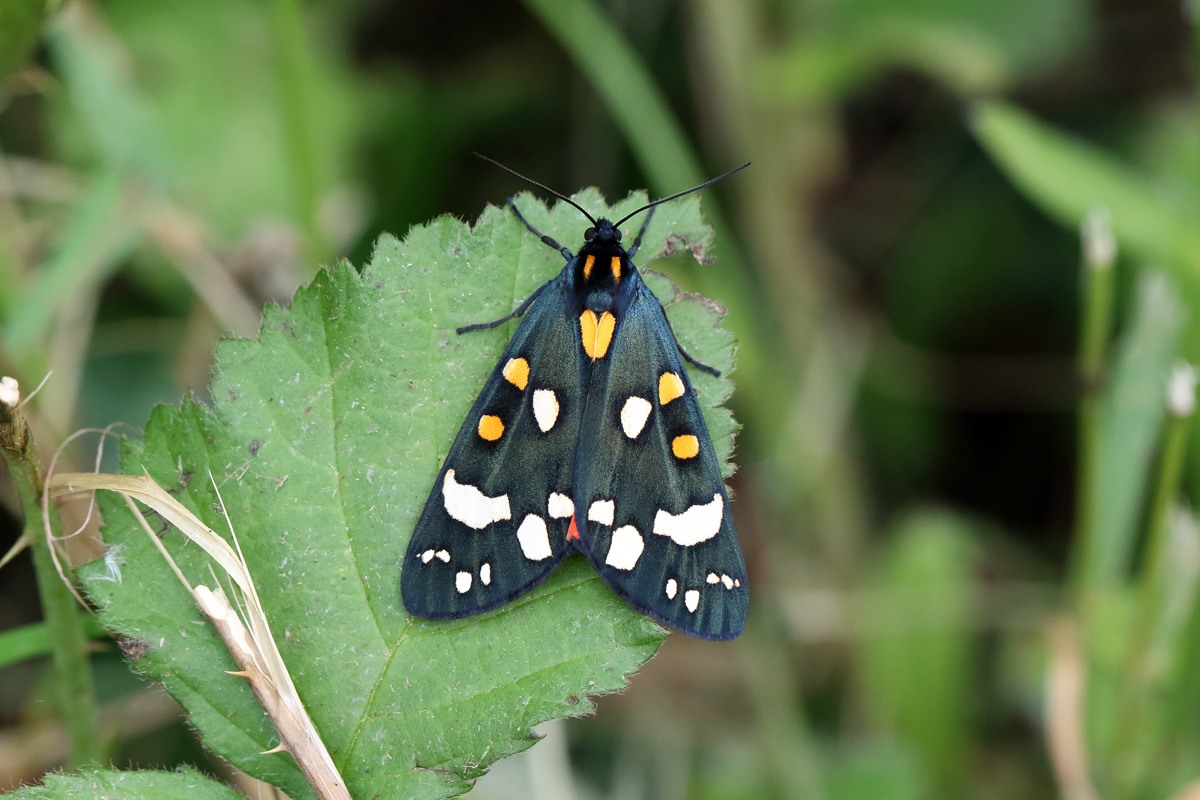
#8 12th June Scarlet Tiger Callimorpha dominula


Not on the radar. Only when Mark Golley was showing me a site for Geoff did he mention that Scarlet Tiger was just emerging in Cley. We found half a dozen of these stunners. Only found in the south of England.

#9 12th June Maple Prominent Ptilodon cucullina 


Hoped to see one of these, this one was sat on top of the trap. It doesnt occur in Northumberland.

#10 12th June Small China Mark Cataclysta lemnata


I wasnt sure if this was new or not at the time, on checking these were my first. Two caught.

#11 12th June Rosy Wave Scopula emutaria

The day before catching this I had been thumbing the guide and looked at Rosy Wave and thought it looked quite distinctive. Never expected to see one as soon. 

#12 12th June Aethes beatricella 


Its surprising this was new as I caught loads of them on this trip. Maybe they have increased recently?

#13 12th June Flecked General Soldier Fly  Stratiomys singularia


Landed beside me as I sat in the Salthouse garden. 

#14 14th June Orange Moth Agerona prunaria


Our first night in Suffolk. Certainly didn't expect to see Orange Moth. I always thought of it as a species of mature woodland in Kent! It wouldnt sit for a photo hence the pot shot.

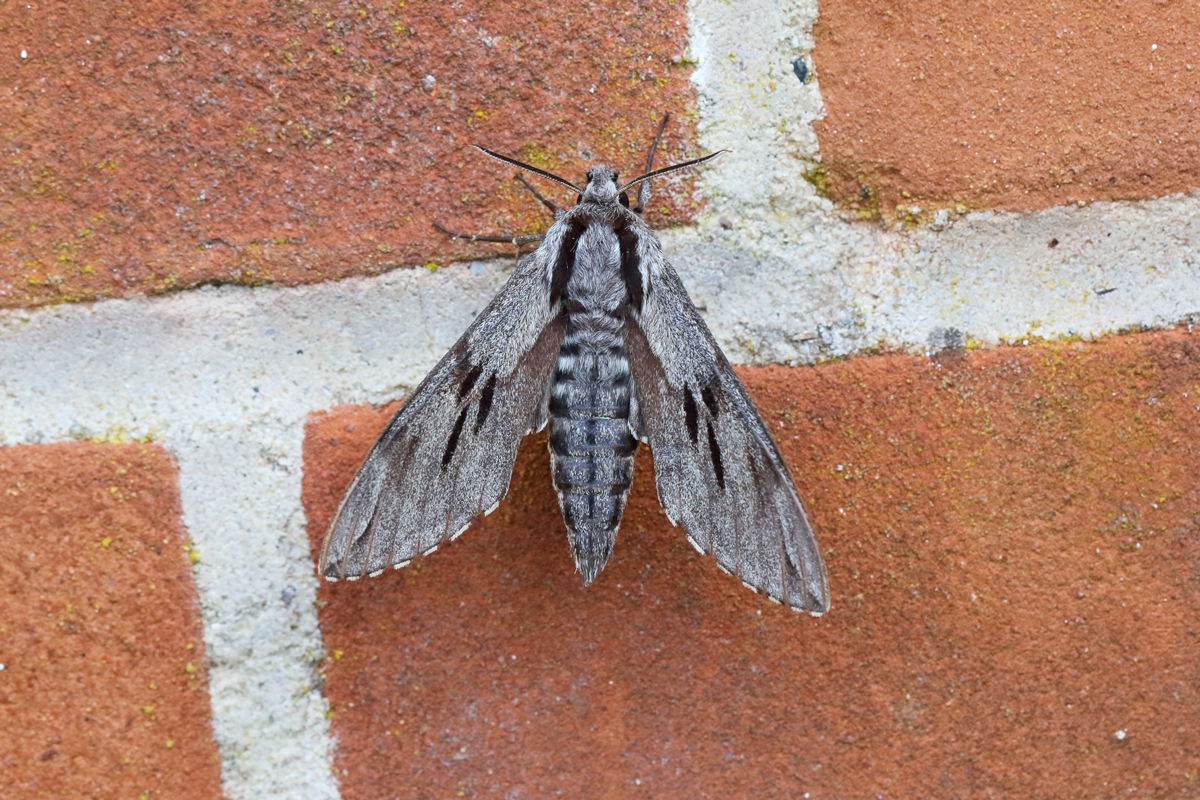
#15 14th June Pine Hawk-moth Sphinx pinastri 


At last, one of my targets for this holiday. We caught 3 or 4 over the week. A nice big moth...

#16 14th June The Lackey Malacosoma neustria


Unexpected but quite common most nights in Suffolk. This one is a male.

#17 14th June Dicrorampha petiverella 


I hope this one is right? 

#18 14th June Valerian Pug Eupithecia valerianata


Had two of these. Didn't realise how scarce they were, but apparently this is the moth of the trip!

#19 15th June Yellow Oak Tortrix Aleimma loeflingiana 


This moth occurs scarcely in the south of Northumberland but is much rarer where I live with only 3 records in VC68 North Northumberland, so it was good to get a few of these in East Anglia.

#20 15th June Dwarf Cream Wave Idaea fuscovenosa 


Only 9 Northumberland records of this diminutive wave, the last being 18 years ago. Nice to get a fresh one here 

#21 16th June Four Spotted Footman Lithosia quadra 


Only 3 of these in Northumberland where it is a very rare migrant. Down south this has been a good year for them, also probably migrants.

#22 17th June Hedya salicella 


Another rare one at home with only 10 county records.

#23 17th June Monochroa palustrellus


Not recorded in Northumberland, this Nationally scarce moth favours sandy areas of SE England.

#24 18th June Firebug Pyrrhocoris apterus


 This bright bug is at the northern most edge of its European range in the south of England. This particular one was running fast along a grass verge so I was lucky to get any photos at all!

#25 18th June Spotted Medick Medicago aribica 


If a species ever shows the need to be alert at all times this one is it for me. We were having lunch at the Eels Foot Inn, Eastbridge when I looked at the ground where we sat. In a scuffed up path area, this was crushed below... rare in Northumberland.

#26 19th June Large Marsh Horsefly Tabanus autumnalis


This large bitey Cleg was on our garden furniture at the Suffolk House. About an inch long it was a stunner. I like these dangerous critters same was as deadly plants and fungi in that we are just a meal to them... hard as nails.

So 26 new species without too much difficulty. We are off to Deeside in the autumn so you never know there might be something to find up there too...

Monday, August 15, 2022

A catch up...

 Here we are two weeks into August and not a blog post. I've no idea where the time goes. 

As it happens, August has been a bit quiet so far but a few noteworthy things have come to hand.

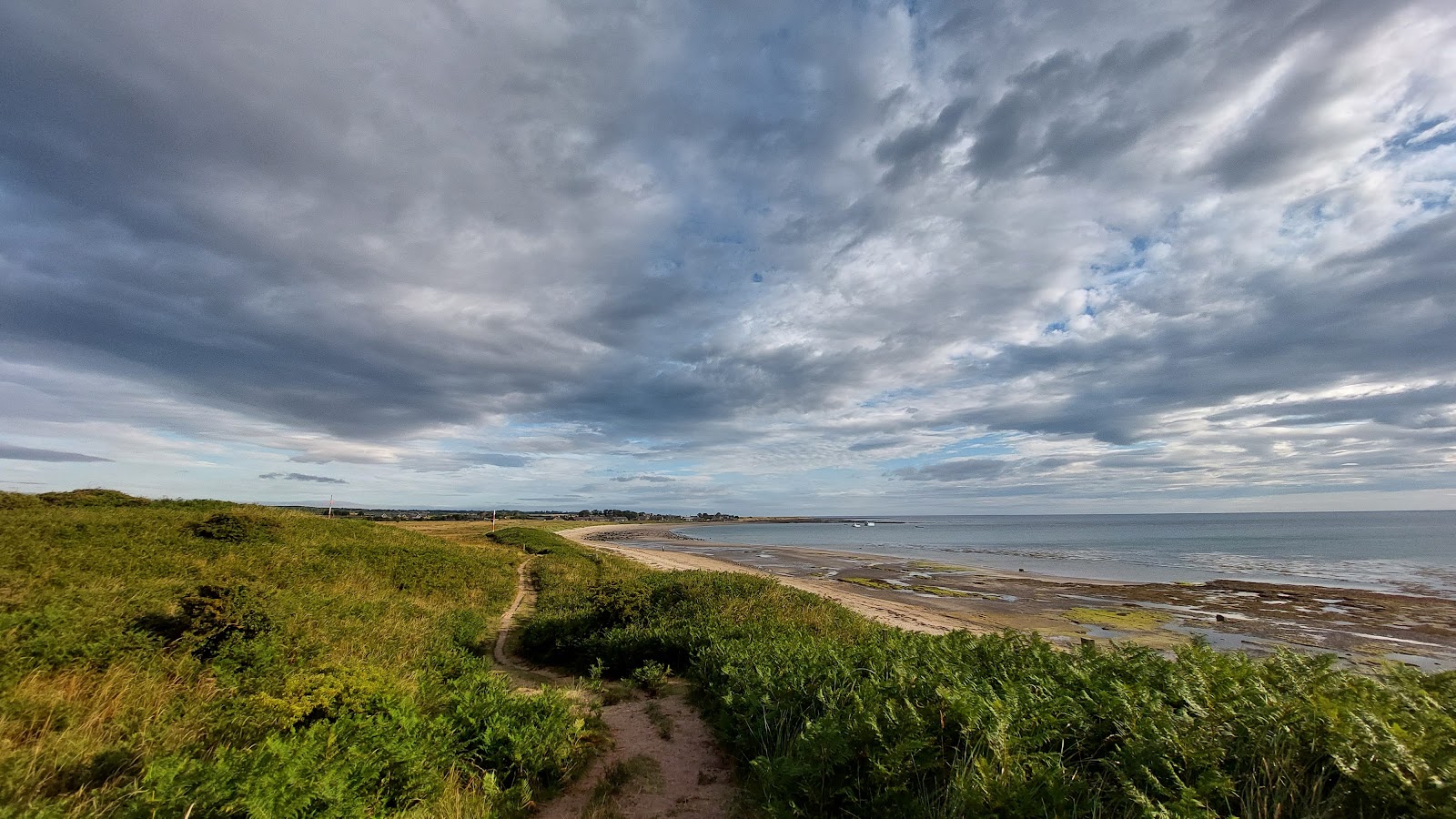
Now the autumn is here, I've started to go back to Boulmer. This is often difficult due a few factors that I find irritating. The number of visitors now causes a lot of disturbance and the fact that these visitors are basically corralled onto the shore line because the whole headland is filled with parking restrictions and 'Private-Keep Out' signs. Even on the old runways where we could walk the dog without fear a few years ago, now closed off. This exacerbates disturbance on the shore because there is simply nowhere else for people to go.

Rant over for the time being. The last day of July turned up a few Roseate Terns at Cullernose and Boulmer along with a few returning shoreline waders at the latter. A short seawatch early morning was typically quiet but 35 Manx Shearwaters, 11 Common Scoters, 23 Lesser black backed Gulls (the least common of the regular species here) and 20+ Arctic Terns.

The Hummingbird Hawk-moth influx isn't over apparently as another graced our buddleia on the 31st.

Boulmer.

August arrived and with it some nice summer weather. We've had warm days but not like the heatwave further south. More like a good summer I'd say.

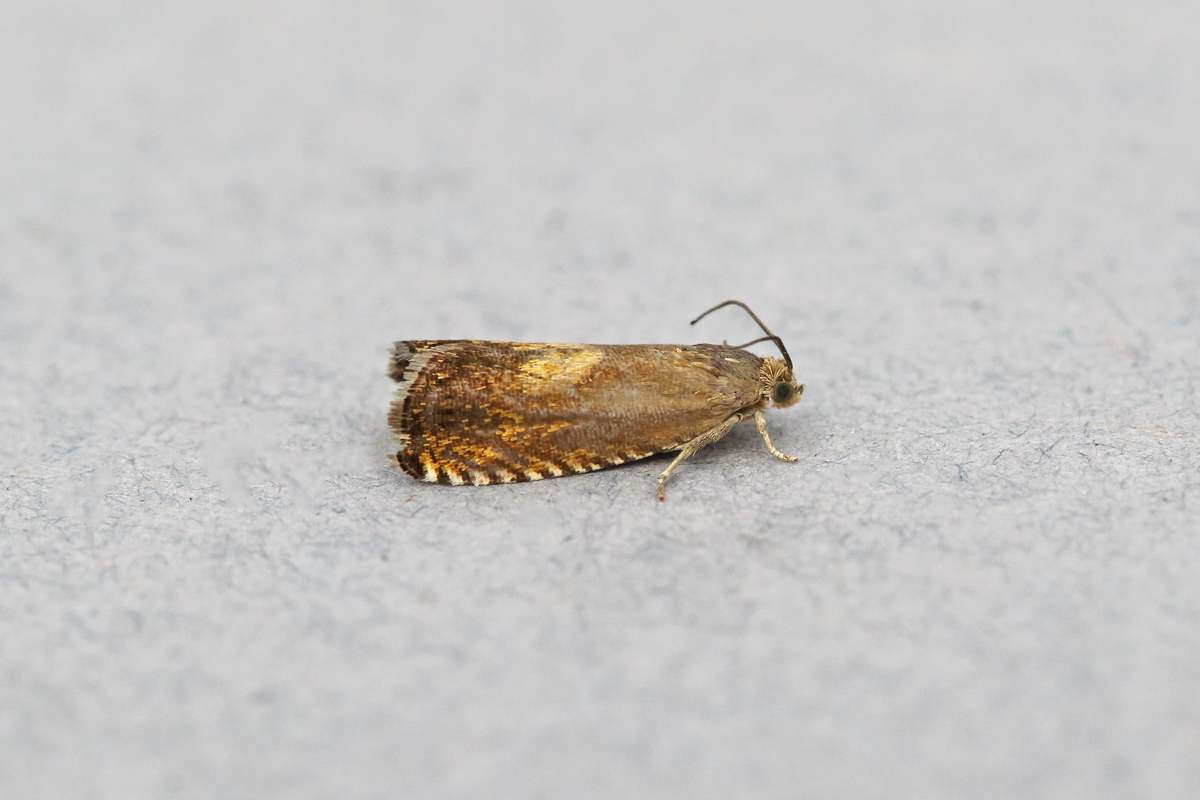
On 1st a new moth for me and for VC68 was in the trap. An adventive moving north from Kent, this one, Pammene aurita had be stumped until Tom Tams came to the rescue.


Pammene aurita.

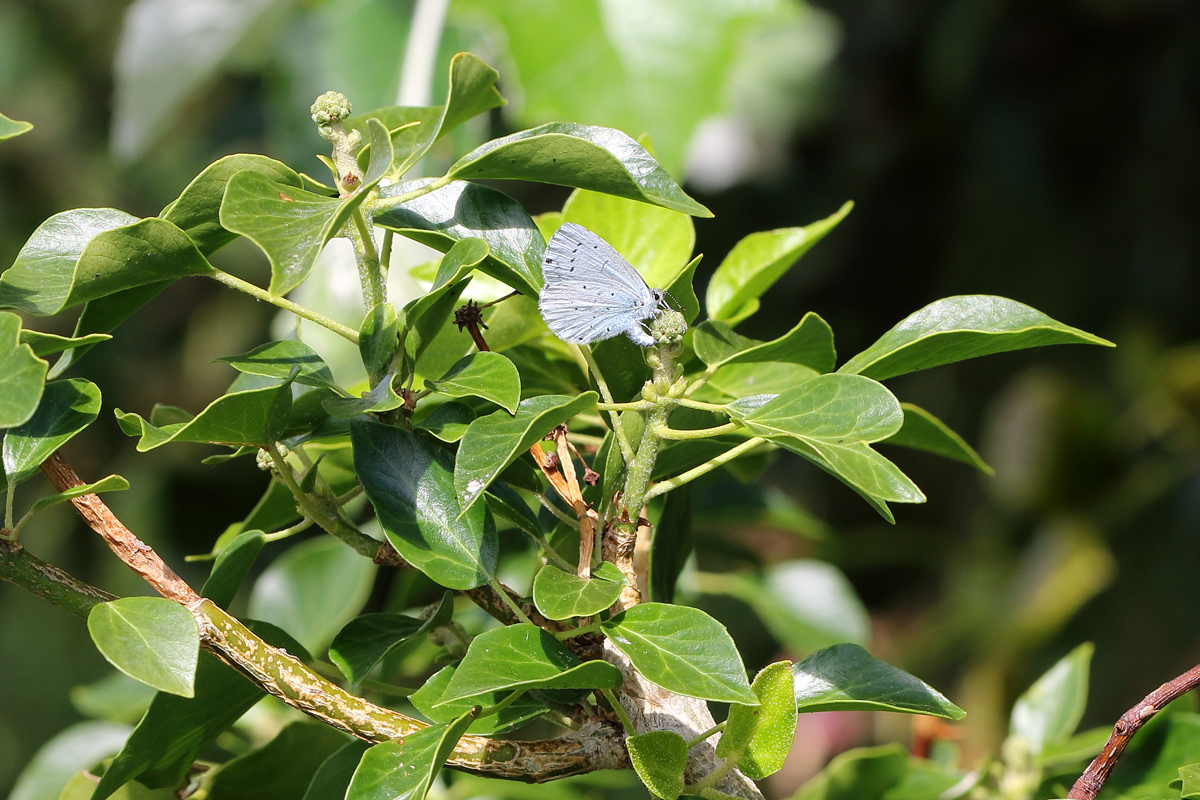
 After a spring absence this year, Holly Blue was pleasing to see back in the garden ( later seen egg laying on our Ivy flower buds) while on a dog walk in our village wood, a few interesting things were recorded. A new plant for me was found, Upright Hedge Parsley, common but previously overlooked as well as Broad leaved Helleborine, several Saxon Wasps and a Hoverfly Leucozona glaucia.

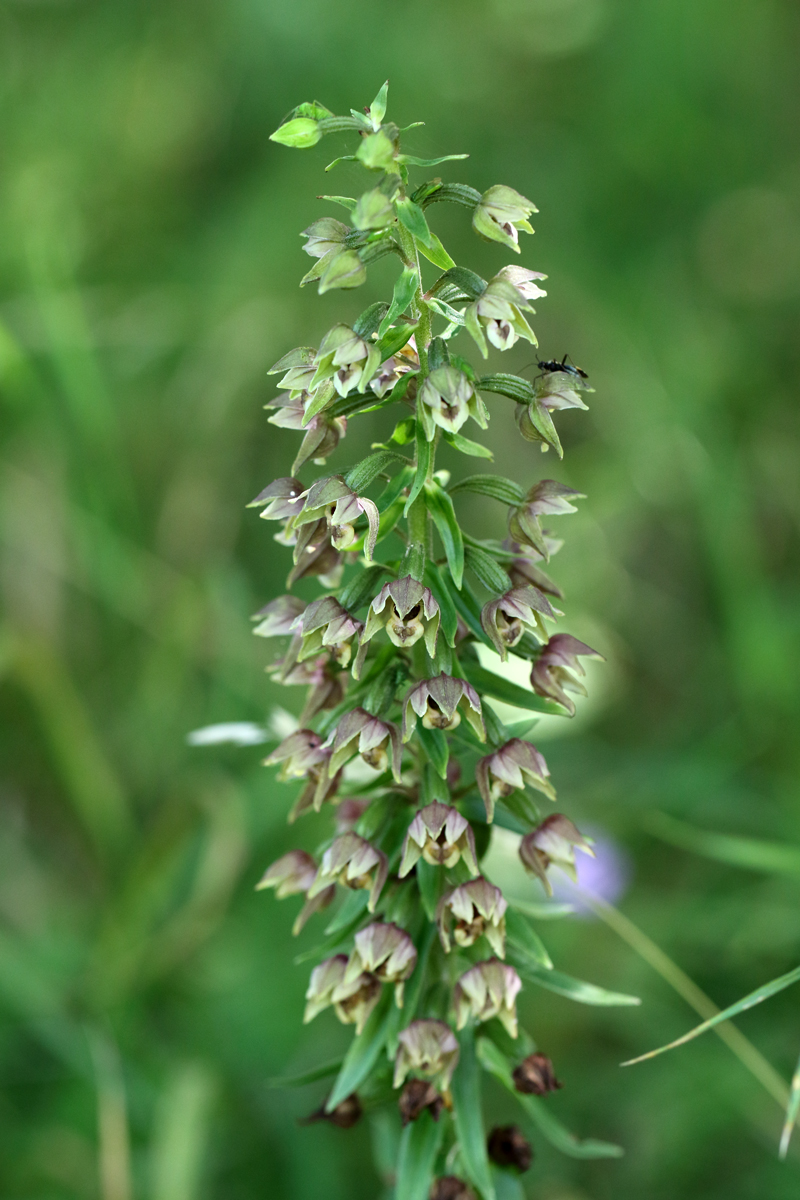
Broad leaved Helleborine

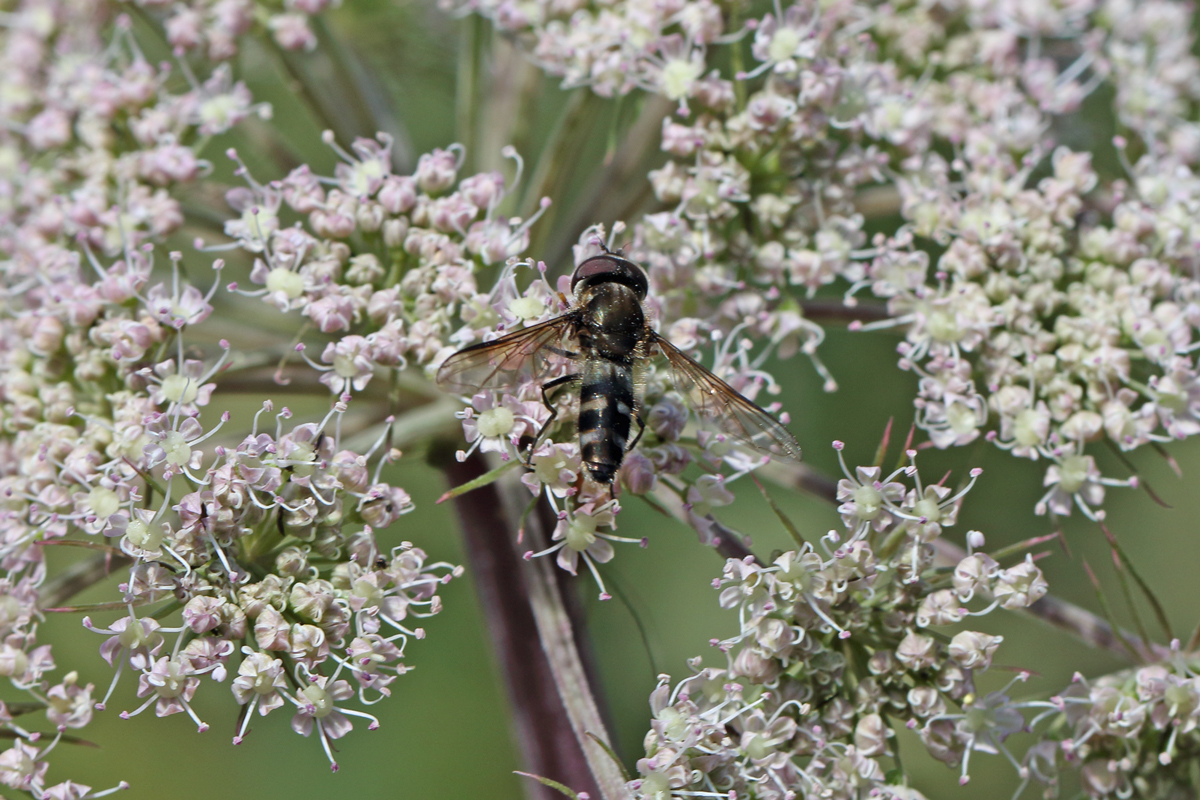
Leucozona laternaria

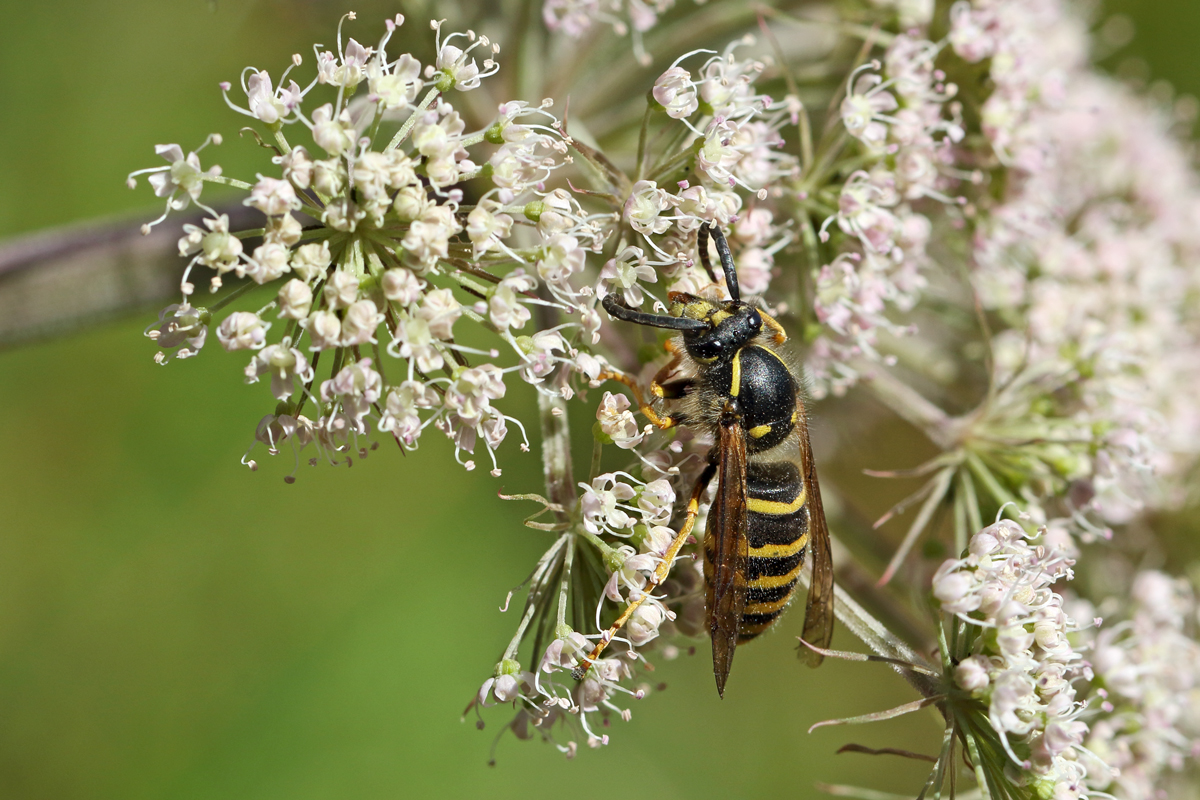
Saxon Wasp

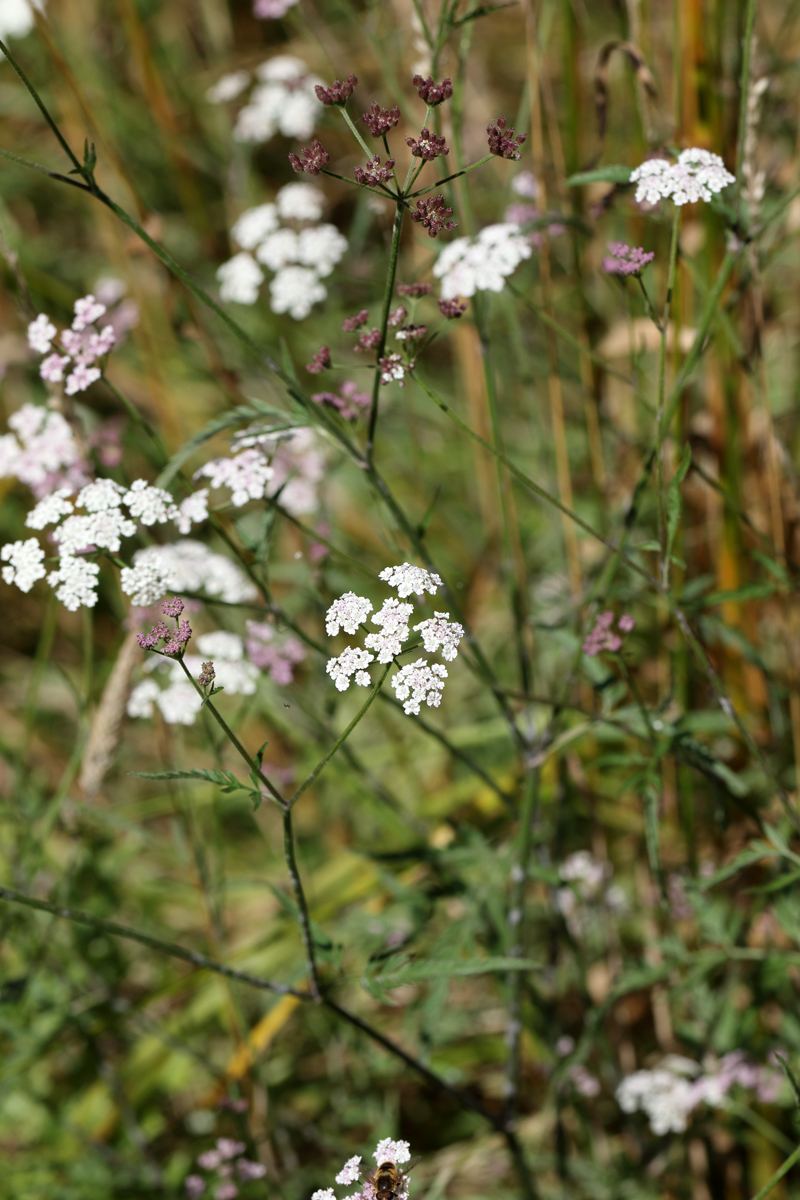
Upright Hedge Parsley

A short look to Boulmer on 6th to meet Russ Boland and friends who were on a weekend visit to Northumberland from Barnsley . Russ is a birder and great artists/notetaker who I was keen to meet after having a bit of chat with on Twitter. We had a walk up to the North end where Russ finally found his lifer Roseate Tern and managed some excellent sketches to record the event.

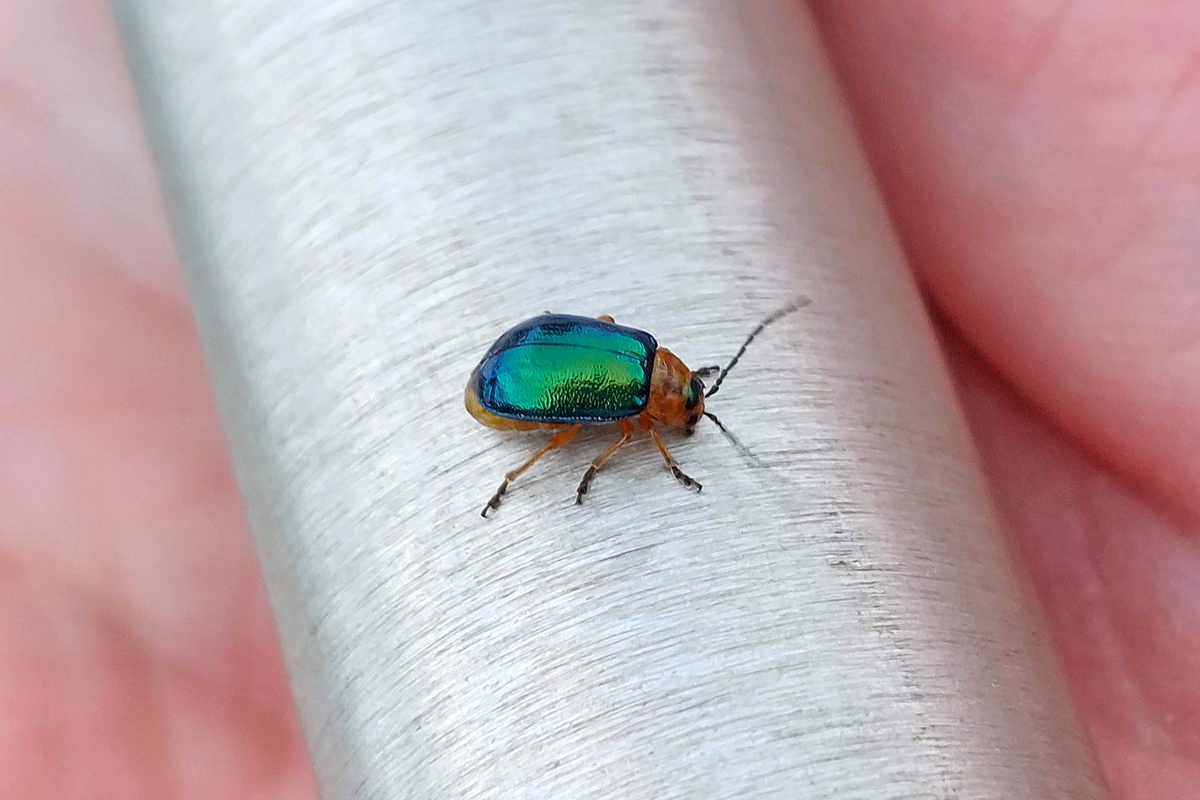
The next day, John and myself returned to Boulmer. Birding highlights were few but 16 Black tailed Godwits S, 2 Arctic Skuas S, 1 Yellow Wagtail on the beach, 173 Curlew and a Peregrine hunting waders were the most noteworthy. A small brightly coloured Leaf Beetle Sermylassa halensis was new. If you use any of these identification apps such as Obsidentify, it gave two incorrect ansers both with 100% certainty for this beetle. I never believe them and do a bit of digging once I get a bit of direction. In this case the image doesnt show the green panel on the forehead well so the AI didnt pick it up, hence a different identification.


Sermylassa halensis

Holly Blue egg laying.

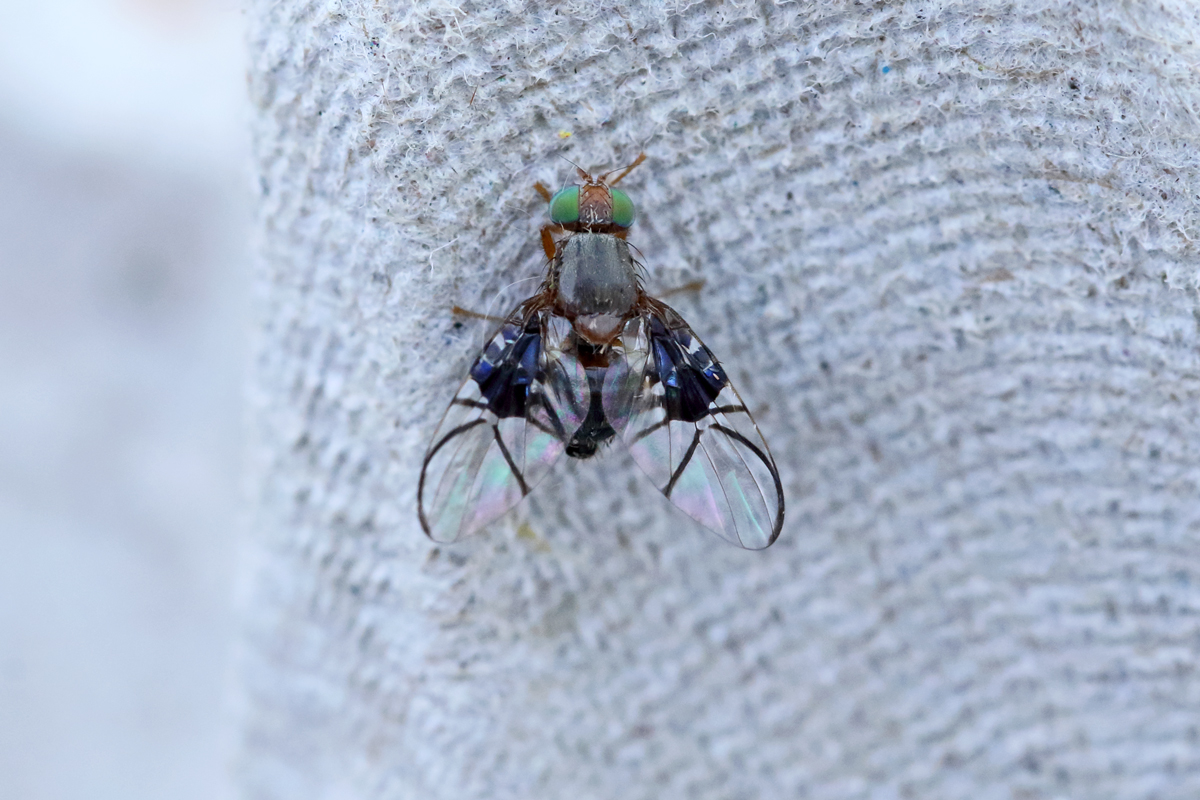
And finally, as if micro moths in the trap aren't difficult enough, this Fruit Fly was new to Northumberland!

Anomoia purmunda


Thursday, July 16, 2020

Stats...out for the count.

Pan species listing. I like the idea, but its something I've resigned myself as never being able to getting to grips with. There are a few reasons. For a start, I can't remember what I've had and even if I record it somewhere, I cant find where. There are so many taxa that I'm not sure in what order things go, so that makes keeping track difficult too. Then there are the identifications. I'm not a microscope man so that will eliminate most small stuff.

Because of my own ineptitude, I wonder if I could do a restricted site list, say, my village or even the garden? Even at that small level its a struggle. Look at moths for instance. They should be a doddle as everything since I started is on Mapmate and easily searchable, but when I checked today I see errors. Some species that were once thought to be identifiable in the field are now 'agged' as a matter of course such as Agonopterix heracliana / ciliella. 2 species but I have 3 of them on my list! One each plus the aggregate. If that is the case for a group that I record diligently what about other insect orders that I am not sure about?

During a quick round up, for my garden area I am on around 900+ species. In the winter I might get around to tidying the list up... So far here are a couple of new additions this week...

Pedicia rivosa a large nicely marked Crane Fly.

Nephrotoma flavipalpis I think. These are tricky but I followed the Crane fly Recording page crib sheet to sort it. 
Nephrotoma quadrifaria, again I think.


House Mouse.
 Making its debut on this 14 yr old blog is Mus musculus, the House Mouse. Yesterday a small grey rodent visited our bird feeders and it looked odd. Bank Voles and Wood Mice are regulars but even at range with the naked eye this one looked different. For a start it was all one colour. Like Simon Mayo. His hair is the same colour as his skin. A stake out and a few photos later and the id is confirmed. Where on earth has he come from? It is my 19 th mammal species in or from the garden.

I think...