Showing posts with label Spiders. Show all posts

Wednesday, April 16, 2025

April

 Last time, I mentioned the possibility that we were experiencing a ‘false spring’, however, it has continued until this post too. In my notebook, the last time precipitation gets a mention was on 16th March with an odd drizzle shower. Since then, we have had dry but cold weather, often in bright sunny days. 

 Another sunny day on the 29th March brought the first Hairy footed Flower Bees or our garden. Always an absolute pleasure to see as they bump from flower to flower in a cartoon like fashion.

 By the 29th, up to 150+ Kittiwakes were back around the Howick / Cullernose cliffs while 31 Whooper Swans flew N in two parties of 22 and 9.

 Another Boulmer search on the 30th found that the female Black Redstart was still present, but the male was long gone. 9 Purple Sandpipers were on the rocks. In the afternoon on a visit to Amble we found a colony of Tawny Mining Bees in a raised bed by the Memorial. Lots of small males danced around the soil interspersed by a few bright tawny orange females.

 March bowed out with more Whooper Swans heading over Howick back to the Icelandic breeding grounds. 27 came over very low, you could almost feel the down draught from the wing beats.

 The first week of April finally saw an emergence of butterflies around the patch with several Peacocks, a Comma, a Red Admiral, 2 Small Tortoiseshells and a few Large White. More Hairy footed flower Bees and a few Dark Edged Bee Flies too.

Dark edged Bee Fly

Comma

Hairy footed Flower Bee, male.

A late afternoon walk at Boulmer on 4th  was still cold but a few migrants battled on. A smart male White Wagtail  was with half a dozen black and white Pieds, a Lesser black backed Gull flew N followed by 3 Sandwich Terns. A good number of 32 Shelducks kept company with a  Pale bellied Brent Goose.

Pale bellied Brent with the Shelducks

Male White Wag...

For a change on the 6th April we walked from Cullernose Point to Craster, hoping for a Wheatear sighting but that plan failed. We did make it worthwhile though with a close Raven, the first Willow Warbler, 2 Blackcaps, 4 Swallows and 2 Sand Martins of the year.

Now the evenings are lighter there is more time to be spent in the field ( while neglecting jobs at home), it could just do with warming up to 15 or so degrees…

 In the fine spell, a few moths kept the trap going while a nice spider graced the bathroom...
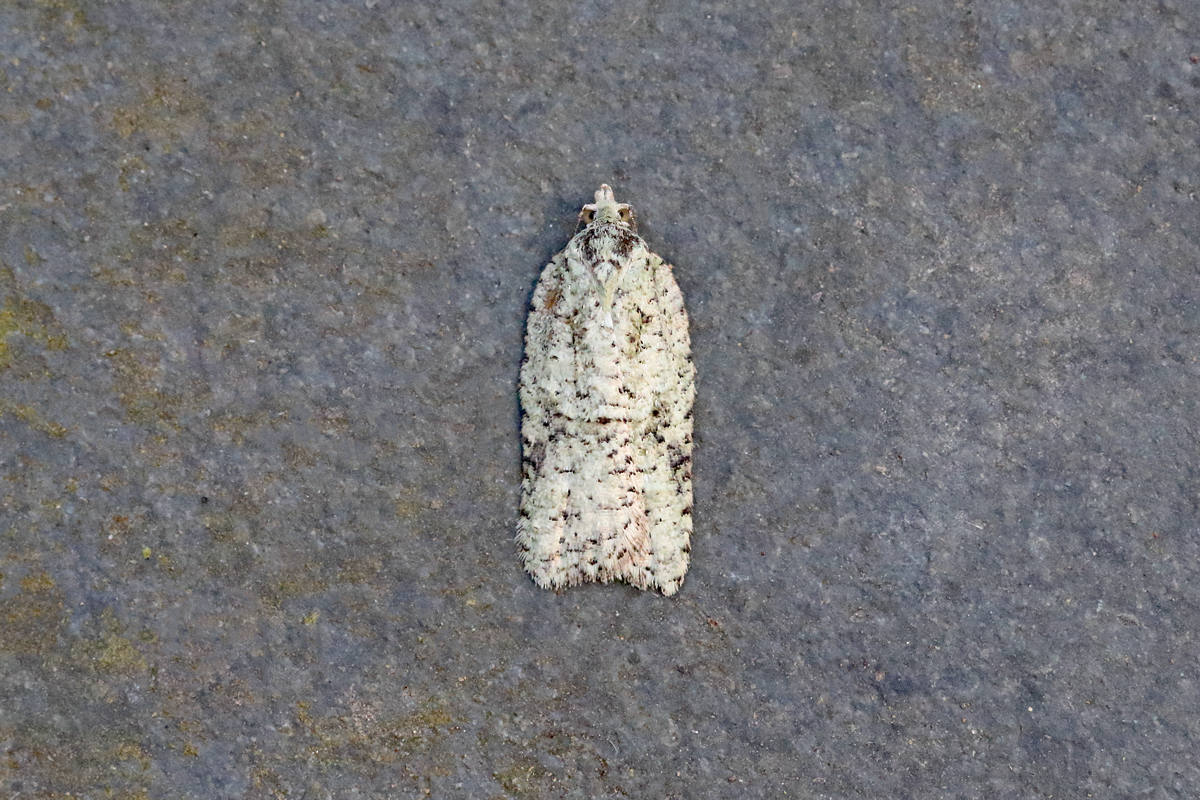
Acleris literana

Brindled Pug

Early Tooth Striped

Harpactea hombergi only my second, both from the bathroom.

Purple Thorn

Finally, on a cool sunny day last Sunday we checked out the new scrapes at Alnmouth Buston Links. It looked well for waders and wildfowl but not today.4 Shoveler and 2 pairs of nesting Lapwing were the highlight, 3 Whooper Swans moved N while the first Grasshopper Warbler of the year reeled unseen from a thick bramble at Hipsburn.


Male Lapwings very vocal and acrobatic.

Shoveler

This Yellowhammer sang from the ground in the car park at the cricket club for 5 minutes.


Wednesday, July 19, 2023

Coming soon...

 Mid July here and its ages since we've done any proper birding. But, fear not dear reader, there are some northerly winds forecast for the weekend so the seasons seawatching will begin...

In the meantime its back to creepy crawlies, flappy things both day and night and green stuff to keep us entertained.

When you drill down and take notice of the little things, there are never any quiet days. Lifers tend to call by every week, or day if you are a more diligent observer.

Last week I was about to leave our village hall and realised I was trapped. The wheelchair thresh outside had split and sprung up keeping the door shut. So, not being one for finesse a big push with the shoulder knocked the thresh into next week and I made my escape. Then I noticed a tiny creature jumping about on the concrete ramp, having been disturbed.

It was a small jumping spider that was duly captured for some pics then released back to its place.

The images showed it to be Euophrys frontalis a scarce spider up here. The males are even smaller but more colourful with red 'goggles' and black and white 'gloves'...

Euophrys frontalis, female, only about 4mm long. A scarce spider up here and a first for me. 

A calm mild night last week seemed a good time to start sugaring in the garden. Results were pleasing and by 11.45pm there were 1 Old Lady, 2 LYU, 2 Dark Arches, 1 Light Arches, 1 Double Square Spot, 1 Common Rustic agg. Since then its been cold windy and raining so that activity is on hold.

There was a good flurry of activity on Peggy's morning walk last Friday. The calling Quail that has not been heard for 10 days was singing up towards the Hips Heugh on Thursday then on Friday it or another was down beside the village in the coast fields. As I scanned around for it ( yes I know) almost as surprising was a sharp whistle alerting me to a Kingfisher darting past me over dry grass fields and into the village. It had come from the shore and was likely heading in to the ditches just inland.

Then as we walked along a nice adult Mediterranean Gull still in summer plumage flew over with some Black headeds.  

Not much happened over the weekend other than decorating, so on Monday when the sun shone I took a cuppa into the garden at lunchtime. A few nice bees on the Boarge looked interesting. They were male and female Willoughby's Leaf Cutter Bees, Megachile willughbiella. New to me and another example of how you can keep things fresh just by broadening your horizons a bit.

Female

Willoughby's Leaf Cutter Bees, Megachile willughbiella Male


Tuesday, May 23, 2023

Lighter Nights...

Its almost two weeks since my last blog post. That's the thing about blogging, as the days lengthen and get warmer there is often more wildlife to look out for. Whilst I have more to write about, I have less time to write it!

Here are a few of the more interesting things that have crossed our paths since the Red backed Shrike graced Boulmer....

Holly Blues continue their fantastic season here at the Howick Obs with daily observations of up to three individuals squabbling over the garden.


In the bottom photo if you click on it you will see the mating pair plus another male in waiting to the right.

A nice walk around Craster with Jane and Peggy on the 11th pruduced views of 6+ Bottle nosed Dolphins and a new plant for me, a small Rustyback Fern on the wall. I had been told of its presence here as it is a scarce plant in the county.

Rustyback Fern Craster

Sunday 14th May, JWR and myself headed up to Alnwick Moors but again the weather, although mild enough, was quite dull so few insects seen. Up to 6 Cuckoos were seen and heard back on territory, a singing and seen Garden Warbler was quite unusual for here and 3 Crossbill flew over. Of the few insects there were a reasonable showing of displaying Green Longhorn Moth  Adela reamurella. At Oxen Woods, Chickweed Wintergreen was in flower not a plant Ive seen much of.

Green Longhorn Moth display in a dancing flight over the gorse.

Chickweed Wintergreen a lovely flower.

A hugely cropped digiscoped Cuckoo for drawing reference!


Cuckoo field sketches.

On Friday at work in our new, very sterile, office I noticed an unusually shaped 'thing' low down on the wall near the back doors. Closer inspection found it to be a spider, and not something I'd seen before. It reminded me of the Garden Centre Spider from a few weeks ago ( still present in our porch). I potted this spider up for a better look. It turns out not only to be new for me, but likely new for Northumberland too, though spiders are very tricky to get onto the record as they always want a specimen or microscope images that I either cant be bother with or am unable to do. see pics below for details.


Spider Episinus angulatus, a scarce species not found in the NE until now.

 This past weekend added a couple of new local patch species with a calling Cuckoo in Howick and a Redpoll N along the coast path.

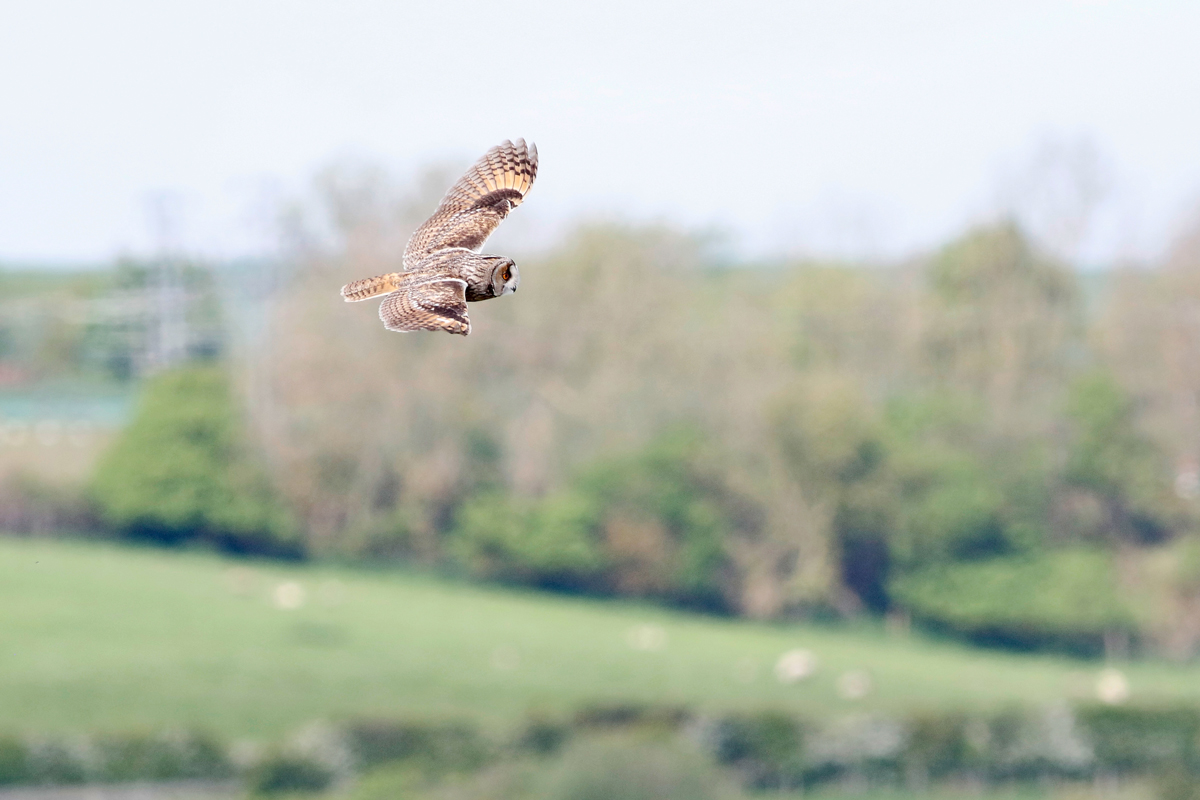
On Sunday we missed the Spoonbill at Alnmouth but did see a nice male Marsh Harrier near Foxton and, while looking for plants and spiders, I flushed a Long eared Owl from a small hawthorn in the dunes. Luckily John was quick enough to get some great photos. I was too slow off the mark and it was too distant for me.


Above, Long eared Owl, Alnmouth Dunes courtesy of John Rutter.

The dunes at Alnmouth a great for plants and insects, but thats another post in itself, so I'll end with another spider. This one is a one Ive hoped to find here as it occurs commonly in sandy areas. Next time I'll take the macro lens for a better shot. This is Arctosa perita a well camouflaged wold spider..

Arctosa perita a relative of the larger and rarer Grey Wolf spider we found in the river valleys.


Wednesday, February 01, 2023

A new month...

 So, January finished with my patch list standing at 87. This is about average or maybe a bit under.

The best bird so far was the Great Northern Diver last week, annual here but always a nice one to get. Other, better, species have remained elusive. No Kingfisher, Raven or Med Gull and most years gives an oddity for January like Firecrest, Little Gull, Marsh Harrier, Little Egret etc but not this time. Even our local Barn Owls seem to have moved elsewhere. For a bird that used to be a daily occurrence, that is a bit worrying.

At least the days will now lengthen a bit more noticeably and it wont be long before the birds start to sing. So far only a Coal Tit has graced my ears, but I'm sure Great Tit, Song Thrush and Chaffinch wont be far behind.

Recently I have had pop ups on social media regarding the weather, with a few sources reporting the possibility of a Beast from the East, the UK covered in 4" of snow and prolonged freezing temperatures yet I cant see anything at all like that in the forecast. Last year we had a lot of named storms over the winter with Arwen, Eunice etc but I've not noticed any names so far this year ( thank God)? At least the Snowdrops, Winter Aconites and Winter Heliotrope are all in flower to remind us that the dark days are almost over...

Another type of patch list, if you like, is underway here . The Spiders in the Bathroom List 2023. I bet there's not an option for that on Bubo. Here are the additions so far and to be fair the only wildlife pics I've taken this year with my camera. This project reduces the need for Hoovering....

I began this post with an idea of something to write, but it has slipped my mind? 

Theridion species likely melanurum


Amaurobius ferox

Amaurobius similis

Erategena sp likely juv Giant House Spider

Thursday, September 23, 2021

Suffolk Part 2.

 As I have said in the previous post, while pottering around the Suffolk Sandlings area doing the tourist thing, visiting Southwold, Walberswick, Aldeburgh etc a few other creatures of interest to a Northern Naturalist were discovered. In no particular order here are a few..


Many of us who use a moth trap are familiar with a wide range of Ophions or Ichneumon species. They range from orangy yellow to black and white things and are generally tricky to id. Some just stand out from the crowd. This Enicospilus inflexus is one such specimen. Looking at the photo you might shrug and think you've had loads like that, but in life I had never seen anything like it that was quite so big. It was huge. You can almost make out that it was bigger than a cranefly and in flight was like a Common Darter. Apparently it is a parasite of the large Eggar / Drinker type moths. I wish I had taken its photo with a good size comparison now. On Google, sites show it to be quite sparsely distributed, but that is maybe due to a lack of recorders rather than it being a rare insect. Impressive.


Above, another parasitoid, Ichneumon sarcitorius was contrastingly, very common with up to half a dozen in the trap every night. I dont see these in the trap at home. Smart little things, unless you are a moth.


Finally for the hymenoptera were the Hornets around the garden. I like to catch up with them when we are here and they did enjoy the moth sugar. They were quite defensive towards trespassers such as Red Admirals who would be chased off by a short wing flicking open jawed charge from the Hornet. They're like terriers....


This large, blackcurrant Fruit Gum lookalike beetle Chrysolina banksii was quite a good record too. I dont really do beetles as they mostly need a microscope but this one was id'd from the Facebook beetle page. 


Dark Bush Crickets are common and can be heard stridulating from bushes under street lights and in gardens etc. There are no Bush Crickets in Northumberland.


Oak Bush Cricket was new to me found on the kitchen window attracted to the light. This one is a male. Smart.


A special visit to Carlton Marshes was required to see this one, the rare Fen Raft Spider, Dolomedes plantarius. We found three in a nicely vegetated ditch near the visitor centre. It is only found in 3 UK locations. This one can be seen with its feet on the water surface feeling for the vibrations of insect prey using it a bit like a web.

While we were here Wasp Spider was seen along with Brown Hawkers and Chinese Water Deer.

Chinese Water Deer looking more like a dog than most deer.


Then we come to some odds and sods - Bugs. True Bugs, not that Americanised slang for insects. 

Ant Damsel Bug.

Dock Bug final instar nymph.

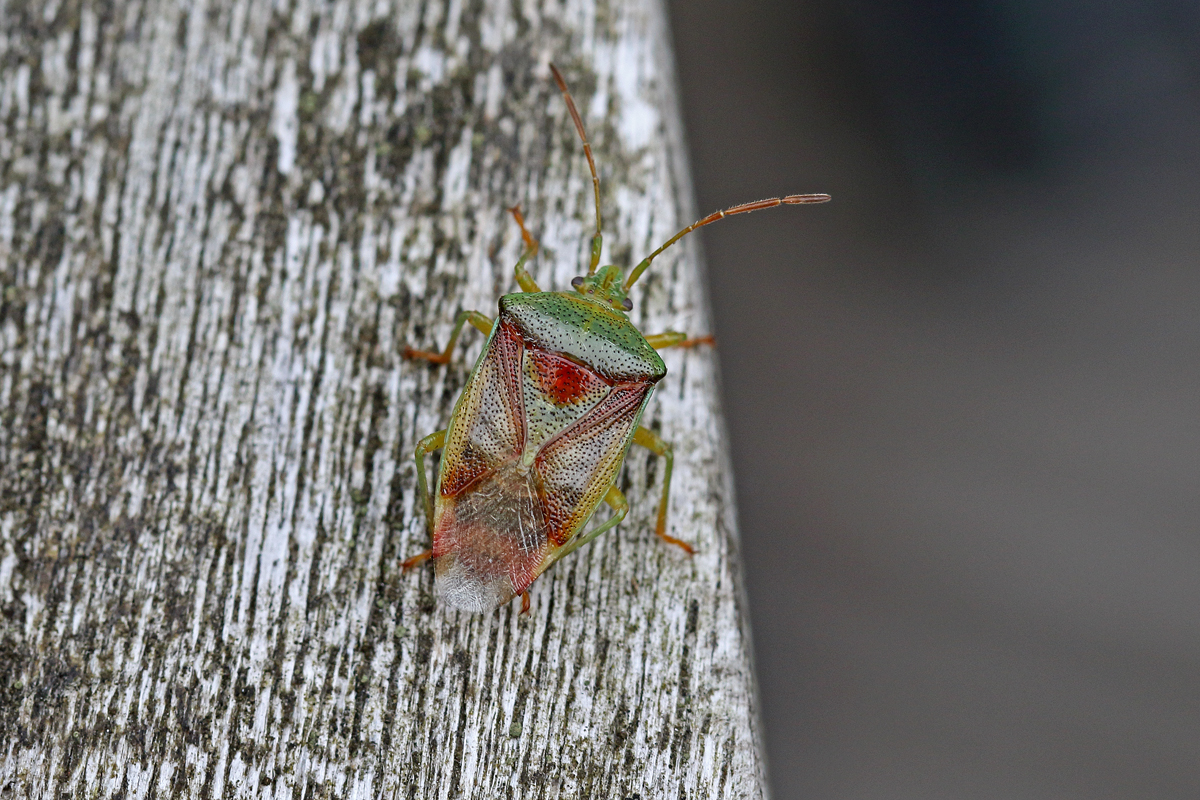
Hawthorn Shieldbug 

To end with, although there wasn't much birding to be had, a morning on the heath with a flock of 8 calling Stone Curlews and a dozen Dartford Warblers is always appreciated.


A ringed Dartford Warbler, Dunwich.