Showing posts with label White Wagtail. Show all posts

Wednesday, April 16, 2025

April

 Last time, I mentioned the possibility that we were experiencing a ‘false spring’, however, it has continued until this post too. In my notebook, the last time precipitation gets a mention was on 16th March with an odd drizzle shower. Since then, we have had dry but cold weather, often in bright sunny days. 

 Another sunny day on the 29th March brought the first Hairy footed Flower Bees or our garden. Always an absolute pleasure to see as they bump from flower to flower in a cartoon like fashion.

 By the 29th, up to 150+ Kittiwakes were back around the Howick / Cullernose cliffs while 31 Whooper Swans flew N in two parties of 22 and 9.

 Another Boulmer search on the 30th found that the female Black Redstart was still present, but the male was long gone. 9 Purple Sandpipers were on the rocks. In the afternoon on a visit to Amble we found a colony of Tawny Mining Bees in a raised bed by the Memorial. Lots of small males danced around the soil interspersed by a few bright tawny orange females.

 March bowed out with more Whooper Swans heading over Howick back to the Icelandic breeding grounds. 27 came over very low, you could almost feel the down draught from the wing beats.

 The first week of April finally saw an emergence of butterflies around the patch with several Peacocks, a Comma, a Red Admiral, 2 Small Tortoiseshells and a few Large White. More Hairy footed flower Bees and a few Dark Edged Bee Flies too.

Dark edged Bee Fly

Comma

Hairy footed Flower Bee, male.

A late afternoon walk at Boulmer on 4th  was still cold but a few migrants battled on. A smart male White Wagtail  was with half a dozen black and white Pieds, a Lesser black backed Gull flew N followed by 3 Sandwich Terns. A good number of 32 Shelducks kept company with a  Pale bellied Brent Goose.

Pale bellied Brent with the Shelducks

Male White Wag...

For a change on the 6th April we walked from Cullernose Point to Craster, hoping for a Wheatear sighting but that plan failed. We did make it worthwhile though with a close Raven, the first Willow Warbler, 2 Blackcaps, 4 Swallows and 2 Sand Martins of the year.

Now the evenings are lighter there is more time to be spent in the field ( while neglecting jobs at home), it could just do with warming up to 15 or so degrees…

 In the fine spell, a few moths kept the trap going while a nice spider graced the bathroom...
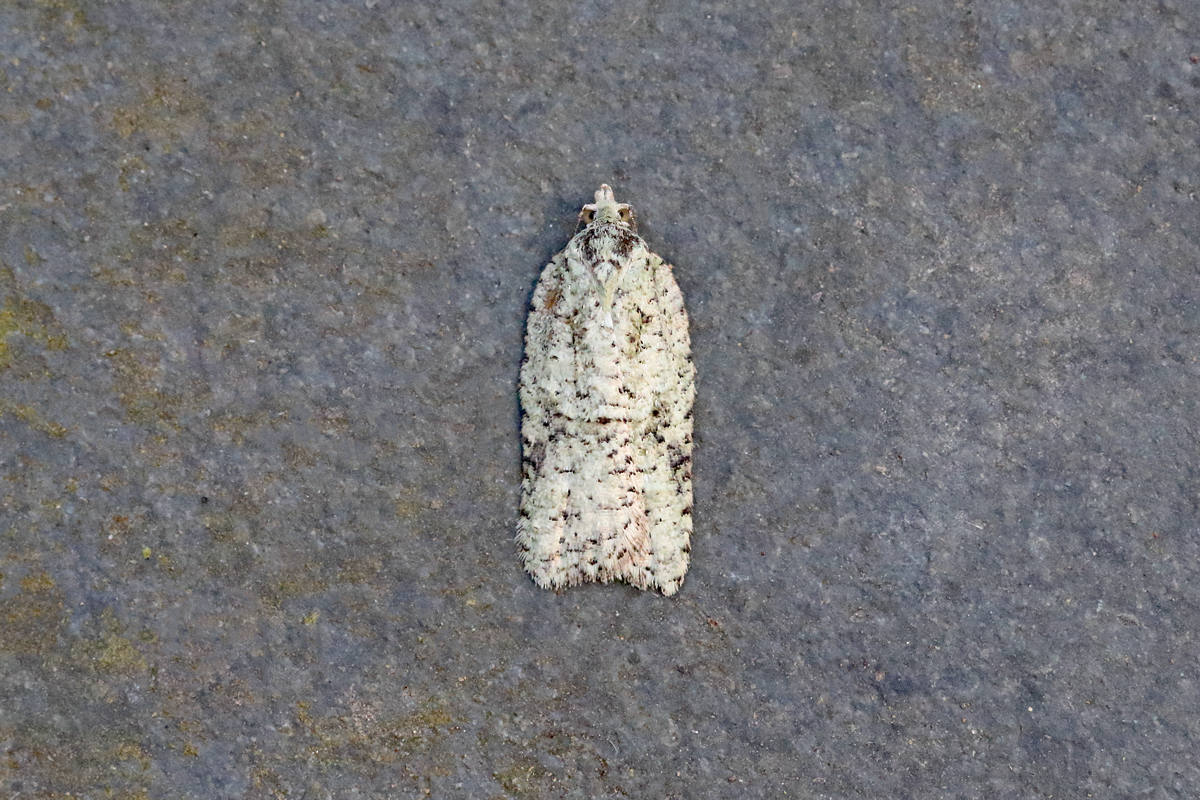
Acleris literana

Brindled Pug

Early Tooth Striped

Harpactea hombergi only my second, both from the bathroom.

Purple Thorn

Finally, on a cool sunny day last Sunday we checked out the new scrapes at Alnmouth Buston Links. It looked well for waders and wildfowl but not today.4 Shoveler and 2 pairs of nesting Lapwing were the highlight, 3 Whooper Swans moved N while the first Grasshopper Warbler of the year reeled unseen from a thick bramble at Hipsburn.


Male Lapwings very vocal and acrobatic.

Shoveler

This Yellowhammer sang from the ground in the car park at the cricket club for 5 minutes.


Tuesday, November 17, 2020

Wacky Wagtails 2


Cast your mind back all of three weeks to the 1st of November, Here, and that odd looking Wagtail on the beach at Boulmer. Today the sighting has really taken off.

Mark Eaton posted some images from yesterday that Ross Ahmed picked up on and contacted Per Alstrom ( stay with me, I'm almost there) who replied back to say the bird looked very like a Masked Wagtail x White Wagtail Hybrid. Masked is from Iran and Kazakhstan and such places. 

Needing no further encouragement, I went back on the internet trawling all over for information and images that might confirm our bird. The more I looked the more I sank in a mire of confusion and unknown info.

Some images on a Kazakh website looked promising and one from Dubai posted by Ross looked even better, but none were exactly like our bird. Just similar.

Then I came across a lengthy but readable Dutch paper on the seperation and identification of Pied Wagtail and White Wagtail. It contained some encouraging comments - 


 Wow. If we cant separate European birds that arrive here in good numbers what chance a Middle Eastern vagrant unless it was a field guide example.


And on it goes... these birds are really difficult.


Looking at this image above our bird is score 2. 60% chance it is a Pied Wagtail.Even giving it the benefit and scoring 1, It doesn't look like its come from very far really.

Then we get to upper tail colour. In my previous blog post at the time the dark upper tail made it a Pied Wagtail to me, then I was advised that Masked Wagtail also have dark uppertail coverts. Returning to the paper, there are so many shades of grey rump a kodak grey colour gradation is required to log them all.  

The Dutch paper goes on - 

For some intermediate birds, we do not really know what such birds are; they were collected far outside the normal range of yarrellii. They might be the result of interbreeding between alba and another taxon; in Asia, interbreeding has been recorded with personata, ocularis and baicalensis (Alström et al 2003) (Per Alstrom again) However, these three taxa show grey upperparts and rump (without black) in all plumages. In addition, these skins showed white neck sides like alba, while the combination alba x personata (the most likely type to occur in Iran, and sometimes referred to as ‘persica’) could perhaps be expected to show traces of the dark neck-sides of the latter taxon. Cramp (1988) also reports occasional black suffusion on mantle, scapulars and sides of breast in male ‘alba-like birds’, not only from western but also central Europe far from the breeding range of yarrellii.

So, here we are back to Masked x White Hybrids again, but no one knows what they really are.

When things get this complicated I wonder about making it simpler. If these birds readily hybridise, what would a Pied x White look like? Its infinitely more likely a proposition.


Until I found a page from our now gone great birder, Martin Garner - 

Wacky Wagtails   

Have a look. He and many others watched a bird on Helgoland in 2007 that looks like ours. Like me he considered subpersonata. After some thinking and discussion with top birders like Martin Cade and Gary Woodburn  et al they also provided images like the Boulmer bird, all taken in the UK.

What do these observers think?

They think its a PIED WAGTAIL! Back to my original result.

Oh dear, I think there are some individual creatures out there that will always have us flummoxed and you know, not all oddities are rare birds. Probably best to leave it as 'alba' wagtail sp... or even sub sp...