Wednesday, August 23, 2023

Migrant Moths

 Northumberland and VC68 in particular (North Northumberland) aren't exactly renowned for migrant lepidoptera. We get a few but nothing like what can occur in the south . Apart from Silver Ys and Diamond backs most other things cause a raised eyebrow at least.

Last autumn was quite good in my garden for migrants with a few good arrivals, in particular Scarce Bordered Straw, Hummingbird Hawkmoths and Beet Moth. Now that we are three parts through August we are starting to see a few more migrants arriving here, so hopes are high that it might become another good season.

Last night a nice arrival came with 25 Silver Y and single Vestal, only my second in 14 years, Rusty dot Pearl, Rush Veneer and Diamond back. Earlier in the month my first Great Brocade for 5 years was a surprise too. Here's to more of the same, but there is one mystery.  Where have the Dark Swordgrass gone? We used to get them most autumns with good years like 2011 when I had 13 over the year. Its almost 2 years since the last in my garden...

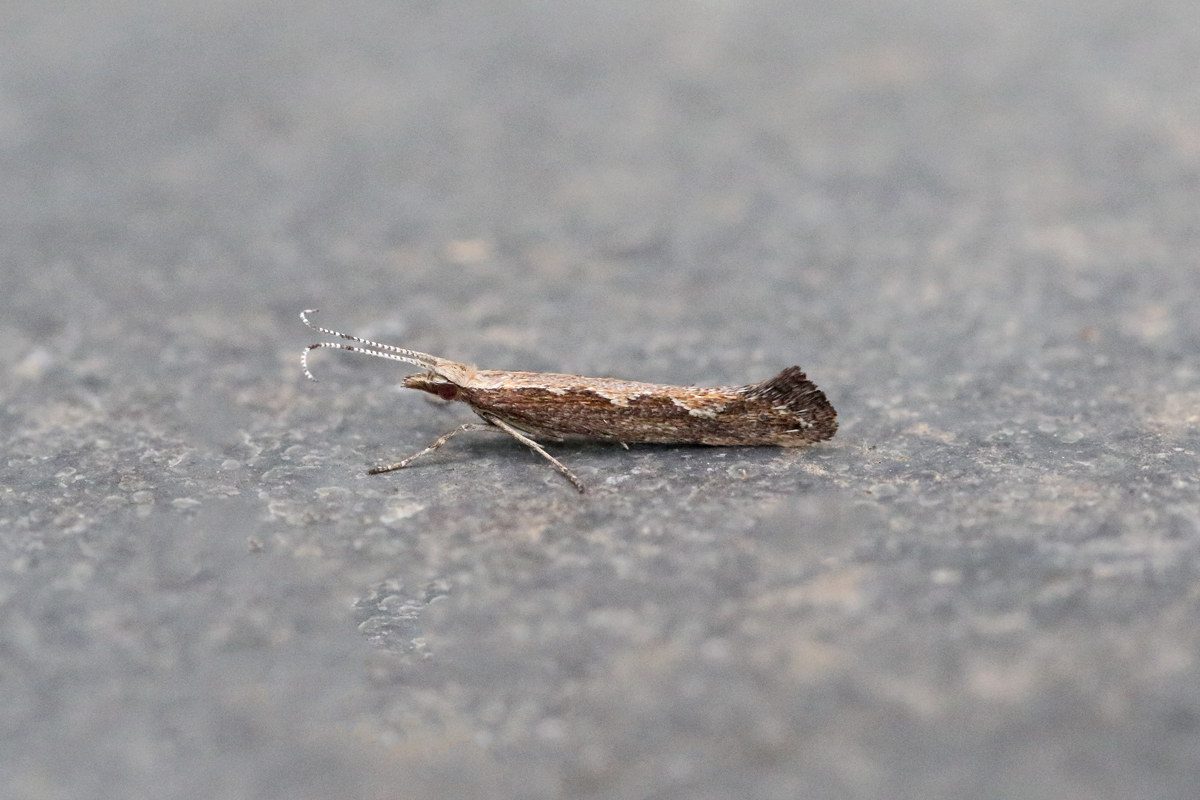
Diamond backed Moth

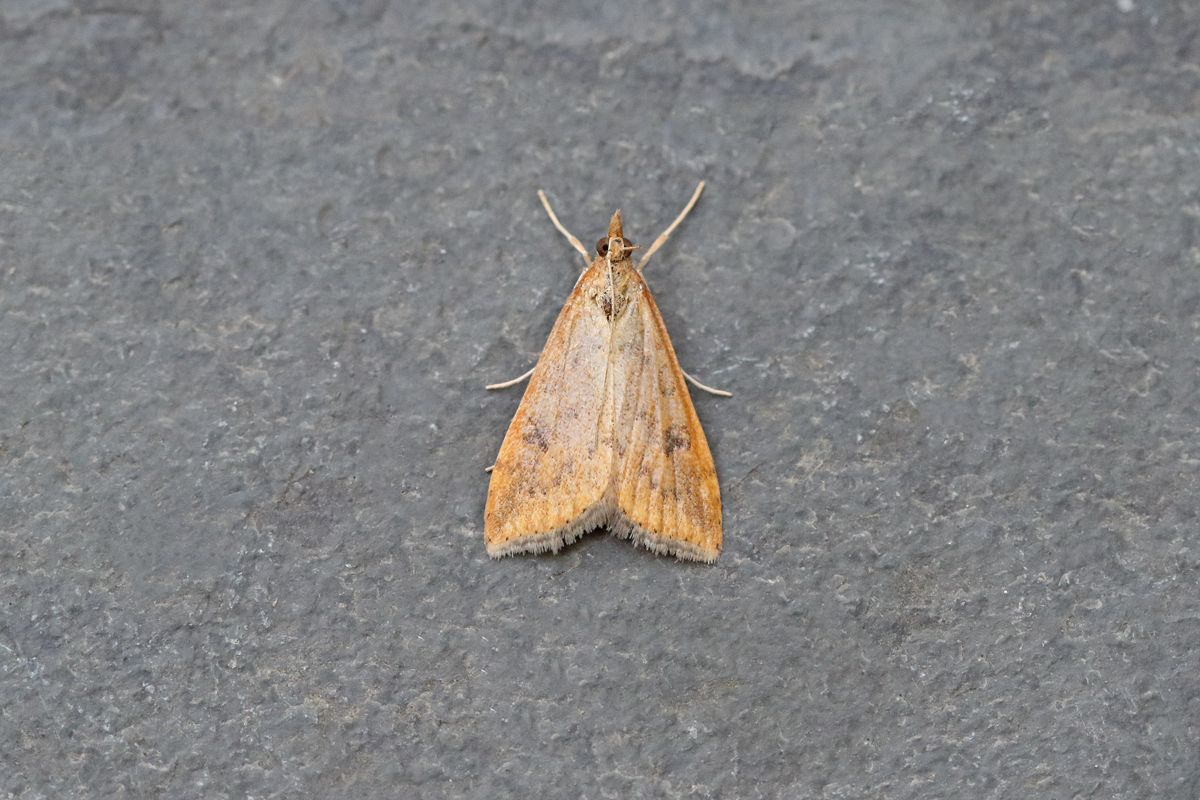
Rush Veneer

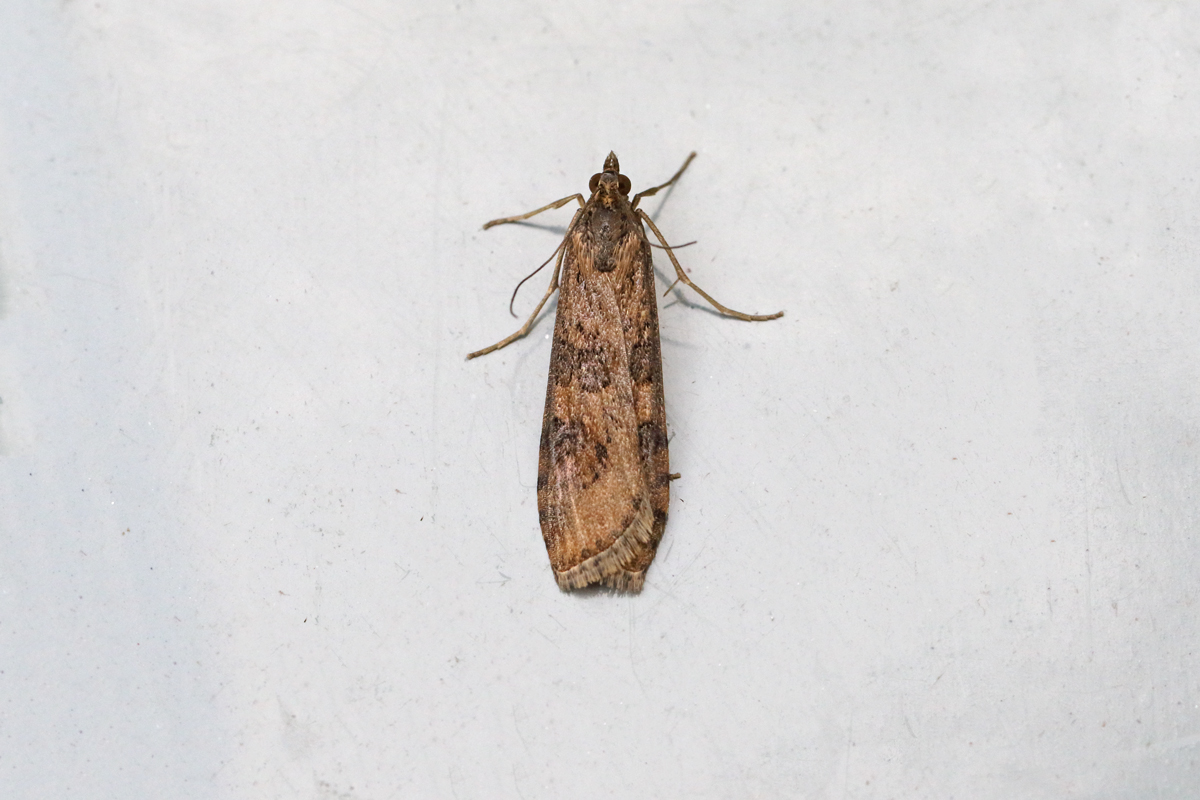
Rusty Dot Pearl

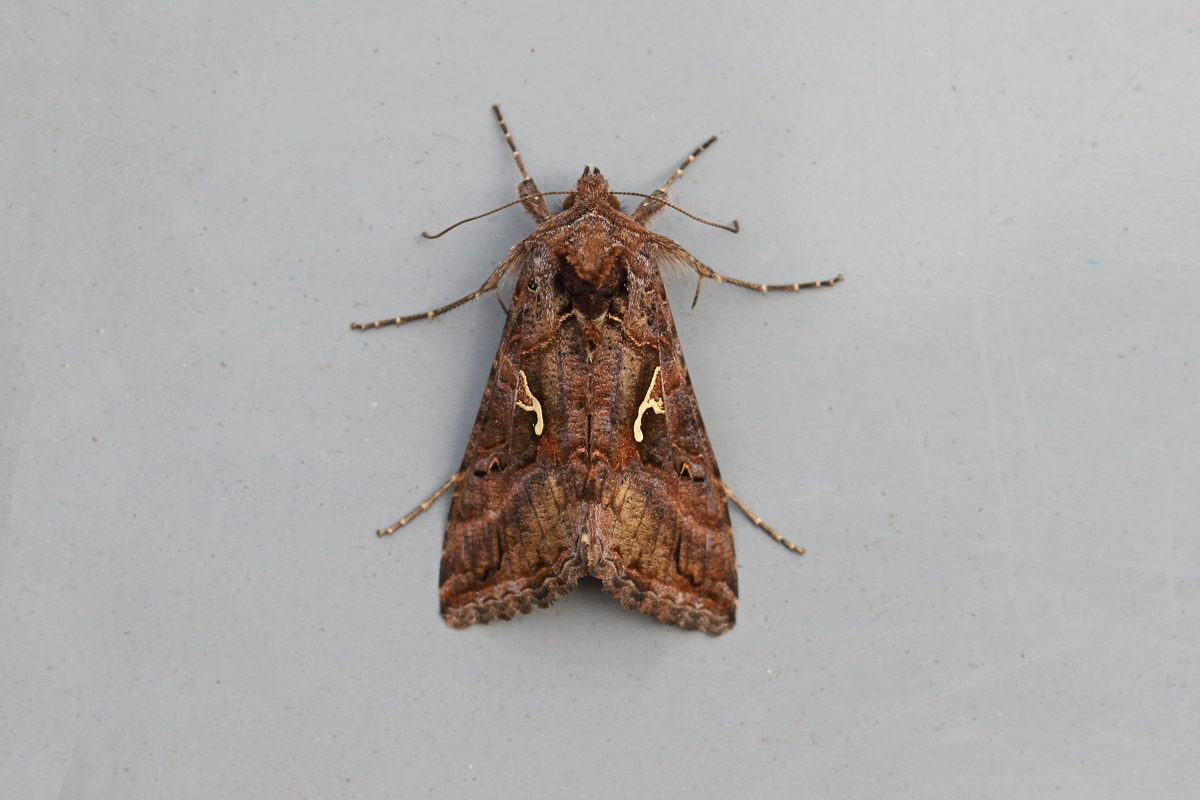
Silver Y

Vestal


Great Brocade


Monday, August 21, 2023

Wader Time.

 Yesterdays post is a bit out of kilter date wise. I meant to post it on Saturday but forgot, so read that as Saturdays news.

This one is for Sunday.

The morning was warm and pleasantly sunny with a light SW breeze. I was along at Boulmer for 7am to meet John to have a look for the White rumped Sandpiper found on Saturday by Mark Eaton. 

On arrival the tide was high leaving little room for the birds but a scan along towards Seaton Point showed there to be masses of gulls and waders gathered . The bird has been favouring north of the village but that can wait until the tide starts to fall back opening feeding areas there. For the minute we wandered along the shore to check out the feeding frenzy.

There was no White rumped but that didnt detract from the scene as there was a nice Little Stint, 1 juv Curlew Sandpiper, 1 Ruff, 1 Common Sandpiper, 40+ Ringed Plover and 30+ Dunlin with good numbers of Redshanks, Sanderling and Turnstones . While we watched a Yellow Wagtail flew S along the coast.

It was quite sad to see a dead Porpoise on the tideline here. I often wonder if Dolphins are the suspects...


Deceased Harbour Porpoise.


Little Stint with other waders.

As the tide began to recede we walked back to the village where we soon picked out the White rumped Sandpiper from the masses of other feeding birds. It showed well and at times came quite close, but it was never still so the photos are poor and I couldnt get it steady enough for a video. It was a nice adult and a first for Boulmer taking the site wader list up to 39. What will 40 be? My money is on Spotted Sand...

Also here another 2 Little Stints, 1 Ruff, 4 Knot inc 2 in red summer plumage, 1 Bar tailed Godwit, 1 Whimbrel, 150+ Ringed Plover and 100+ Dunlin.


Adult White rumped Sandpiper.

White rumped Sandpiper, Boulmer


Boulmer was now filling up with visitors so it was time to bail out. Next stop the Aln Estuary. Apart from an Environment Agency Hovercraft racing up river and mud flats alike putting every creature for a kilometre square into the air there were a few waders to see.

3 Avocet, 47 Black tailed Godwit, 6 Knot, 2 Ruff, 1 Greenshank, 4 Dunlin and 7 Little Egrets.

Once the hovercraft with its engine like a Sea King helicopter had cleared the decks, we decided to call it a morning...

Stand aside bird life here comes a thunderbird at 30 mph into your feeding area.

Taking mud samples. There must be a less intrusive way than this surely.


Sunday, August 20, 2023

All change...

 I smell change in the air? Or maybe its the stench of a dying social media platform due to the mismanagement of an egotistical madman? 

With Twitter (up yours Elon) being degraded faster than the NHS, there is the makings of a mass exodus of people I had previously enjoyed following. They have now left the building, as it were.  

It seems however, that there is a surprising benefit of this in that, coincidentally, some of these good folks are also top bloggers with the likes of Gavin Haig and Alastair Forsyth showing some renewed blogging vigour after the demise of Twitter accounts. Still hanging on there in the Twitterverse, formerly the most regular of bloggers, North Downs and Beyond big hitter,  Steve Gale, has also indicated a return to past form.   I wonder if there are other hitherto unknown bloggers out there ready to follow suite. We might even get more from our local stars like Ipin at Druridge and Alan Tilmouth. Its looking good .

Getting back to the job in hand, today I had hoped to be blogging about some tasty local patch birds after last nights stiff Easterly with heavy rain. In years gone by, a forecast like this below a big high over Scandinavia would surely have dropped in some birds to hunt through for things a bit more scarce.

Some observers will say that when recording natural history sightings, a nil count is just as important as a large number. If that is the case, today has been brilliant.

I got up shortly after first light and after coffee and breakfast headed out on foot for a walk along the coast path to see what goodies had been grounded. An hour and 15 minutes later I was back having seen exactly nothing. No Willow Warblers, Pied Flycatchers or Garden Warblers and certainly no icing on the top with a spare Wryneck, Barred Warbler or 'Icky' ( Icterine Warbler). The only things in the book were 2 Whimbrel N, 6 Swifts S, 3 Sand Martins over the village and a pair of Stonechats feeding a third brood.

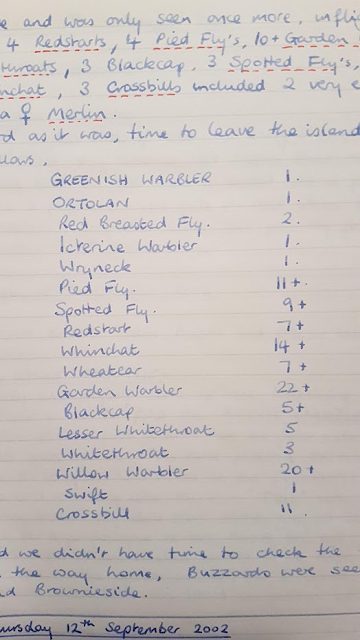
When I posted this outcome on Twitter, responses said 'Pied Fly at Seaton Point according to Birdguides'. There had been a Garden Warbler there too and a handful of birds on Holy Island and down at St Mary's Island but that's not the point. That's more of a Shifting Baseline Syndrome. What should there have been? As mentioned above, 30 years ago, a forecast like this would have dropped in double figures of these commoner species and an odd individual of the rarer ones too. For example in 1995 early Sept an hour lunch break from work had 20+ Redstarts and 30+ Pied Flycatchers at Newbiggin. Another day in 2002 had a range of rarer and commoner species that would seem fanciful in today's times.


I hope I am wrong but I fear the days of having to hastily arrange a day off work to enjoy 'fall conditions' may be over...

My only patch Icterine warbler, Sept 2008.


Monday, August 14, 2023

August

 I'm being neglectful again. 14th August and no blog posts this month!

So, whats been going on over the past fortnight?

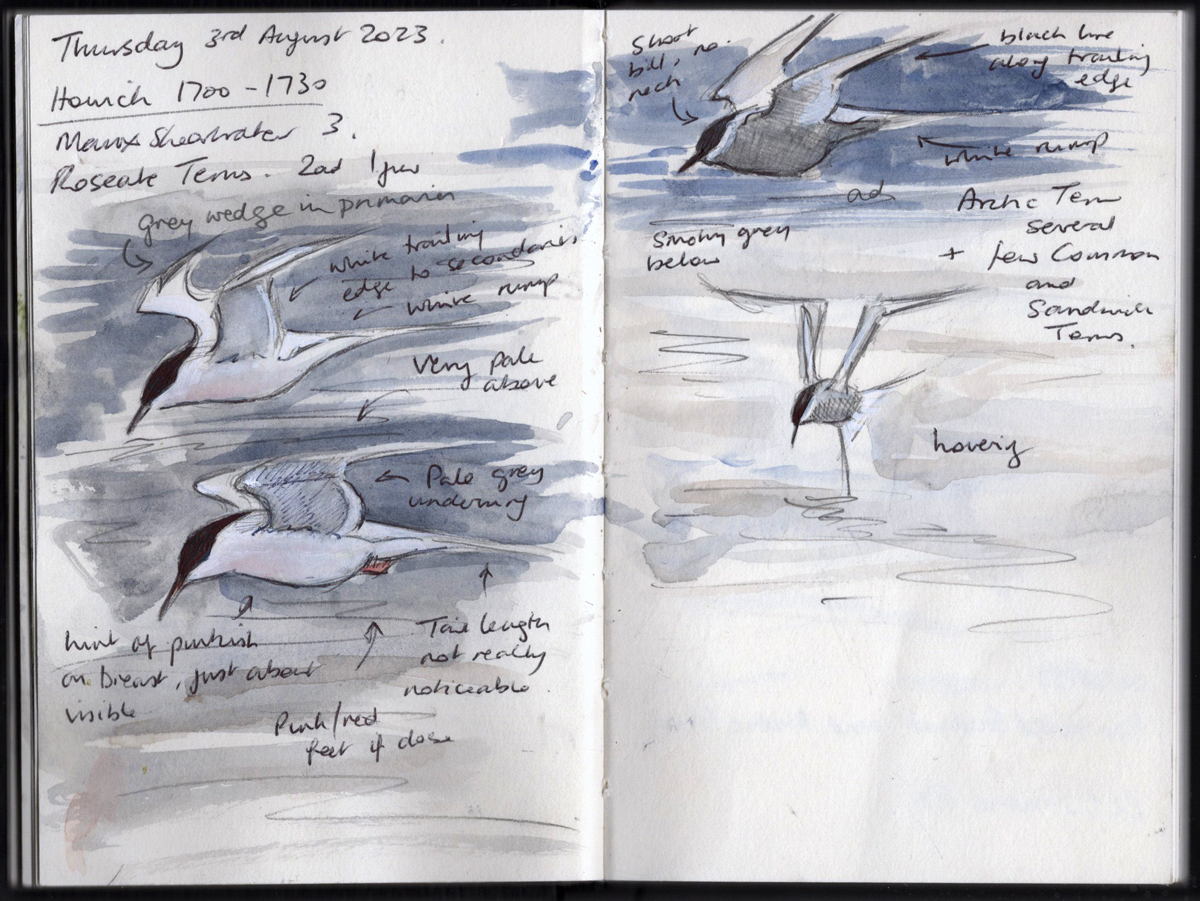
The month began with a bit more seawatching. Despite reasonable conditions it remained a bit underwhelming really for example, on 3rd an early hour had 3 Manx, 2 Arctic Skuas, 5 Roseate Terns, 13 Common Scoter and a Bonxie. The hundreds of Gannets and Kittiwakes gave a false impression.

Later that day, another afternoon hour was pretty much the same.

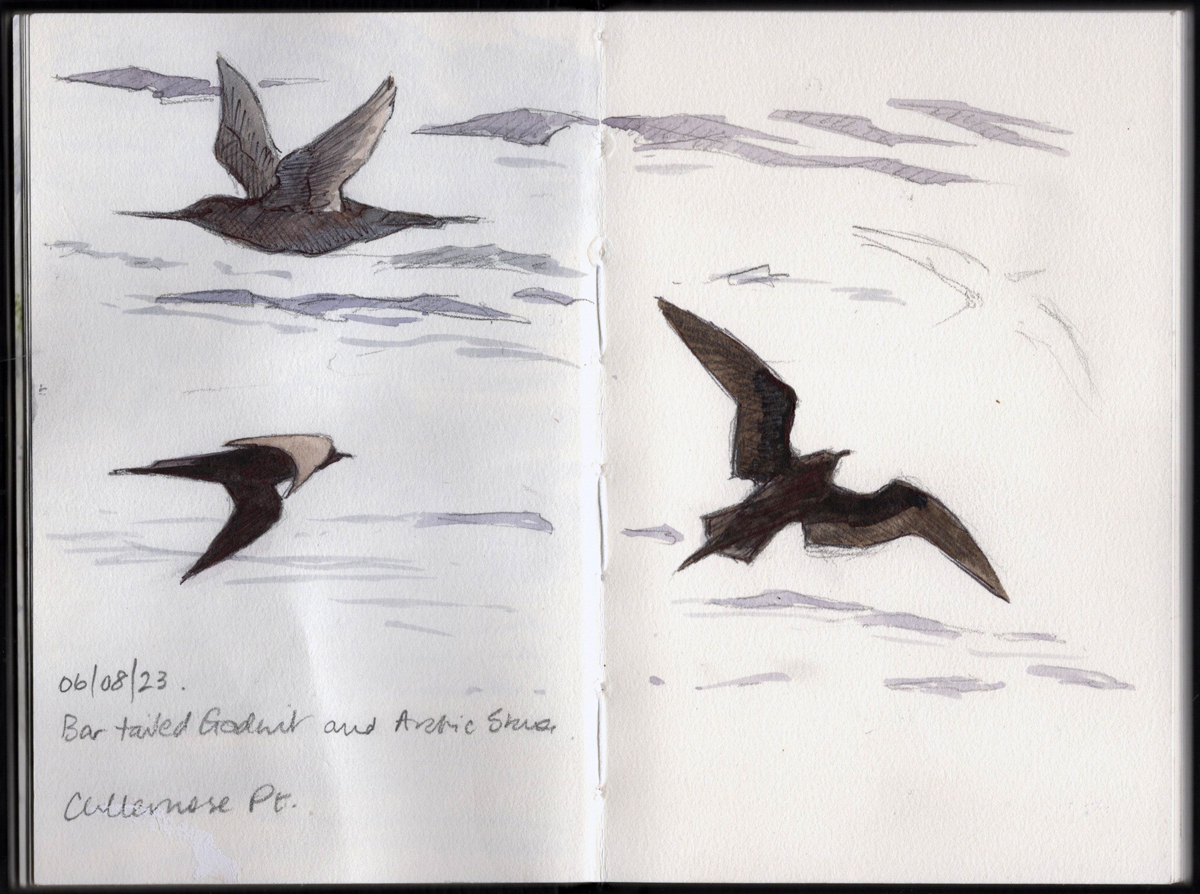
On the 6th another two watches , one for 2hrs from 6.40am had 6 Roseates, 2 Common, 6+ Arctic and 8+ Sandwich Terns, 1 Arctic Skua, 1, yes 1 Manx, 3 Puffin, 10 Common Scoter and the watch saviour a year tick when 3 summer plumaged Bar tailed Godwits flew N.  

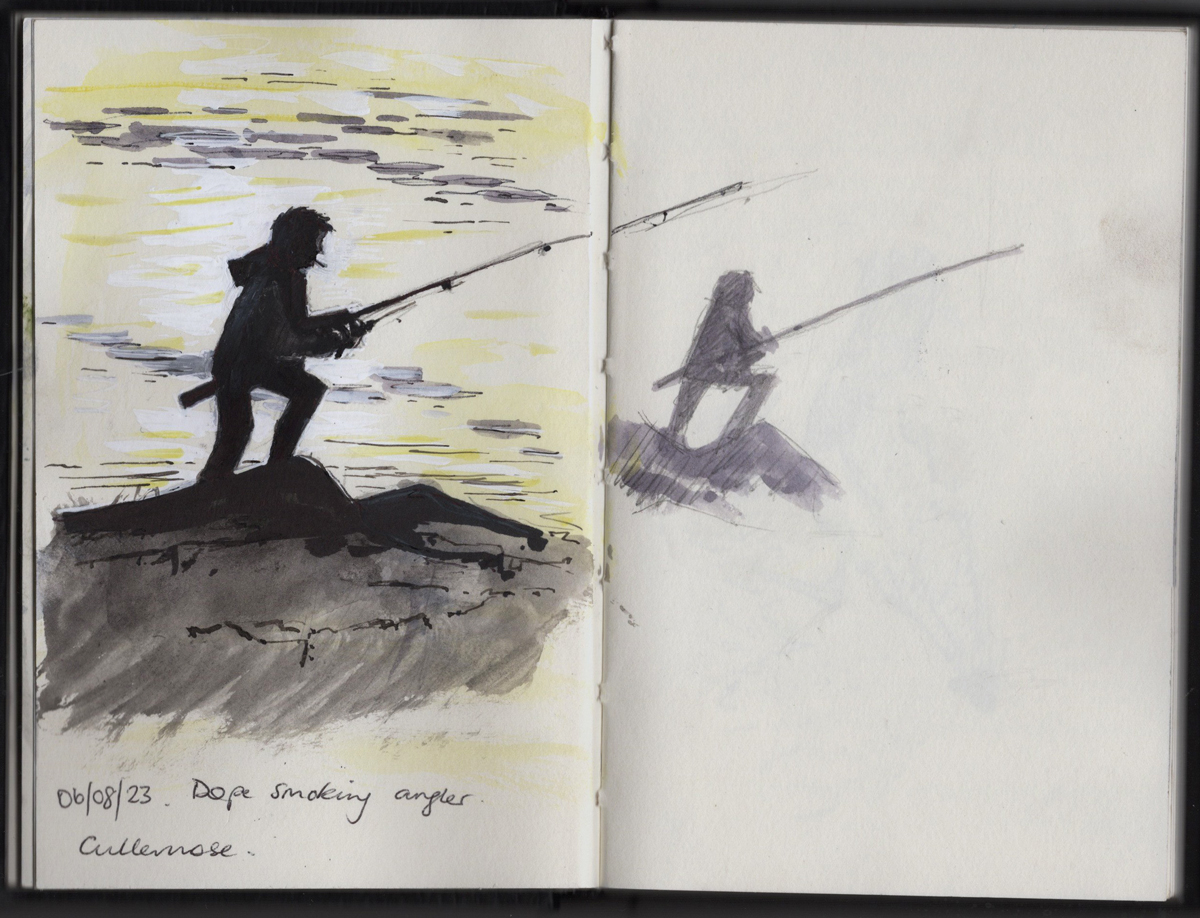
This watch was accompanied by an influx of weed smoking, chav, mackerel anglers. Nice.


An hour after work on Wednesday 9th was a bit better with 124 Manx N , 5 Sooty Shearwaters N, 3 Arctic Skuas N, 1 Bonxie N, 4 Common Scoter N, 3+ Puffins N and a Whimbrel.

 Other than the seawatches, not much has been happening. A trickle of yellow Willow Warblers through the village and a lone Peregrine just offshore one morning were about it.

On the moth sugar table, nightly, up to 3 Old Lady have been feeding with a few Yellow Underwings, Dark Arches and Rustics. Interestingly I've found Old Lady twice last week on buddleia flowers after dark, not something I've seen before. Holly Blues are going strong in the garden alongside another 9 species in reasonable numbers. 

In the trap a few early autumn species kicking in - 

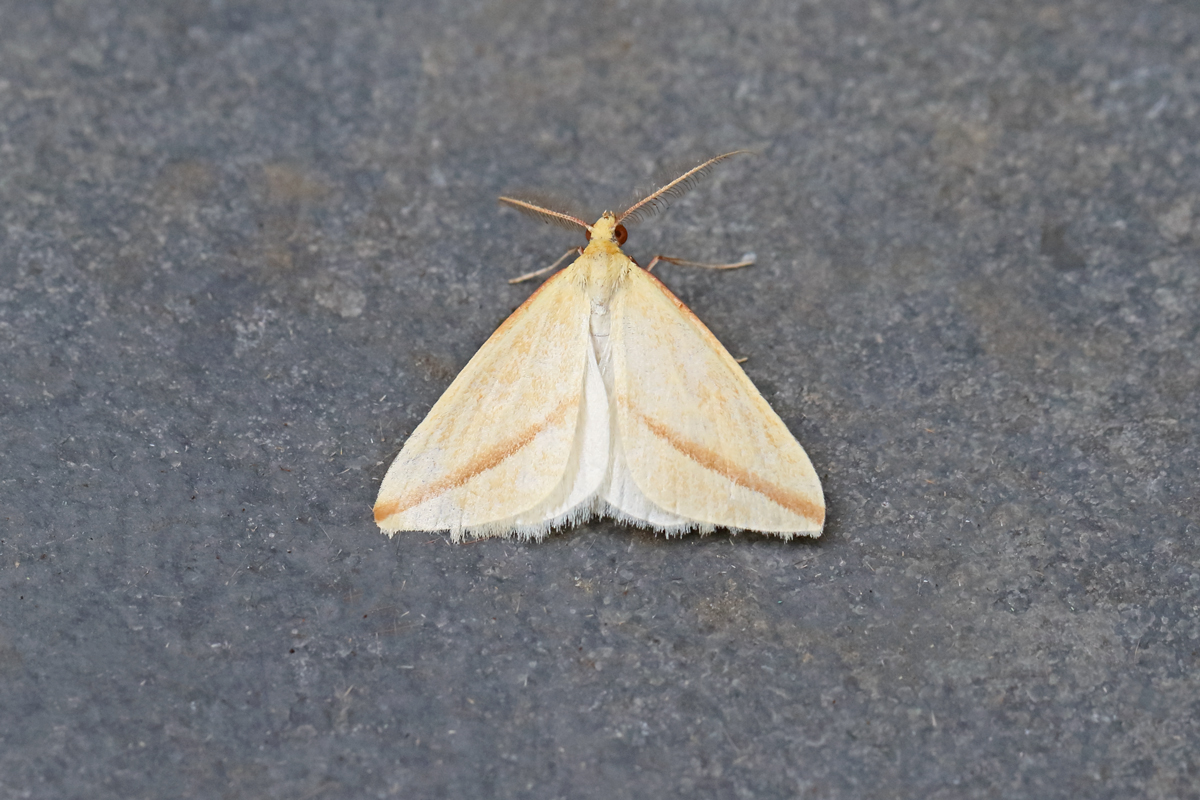
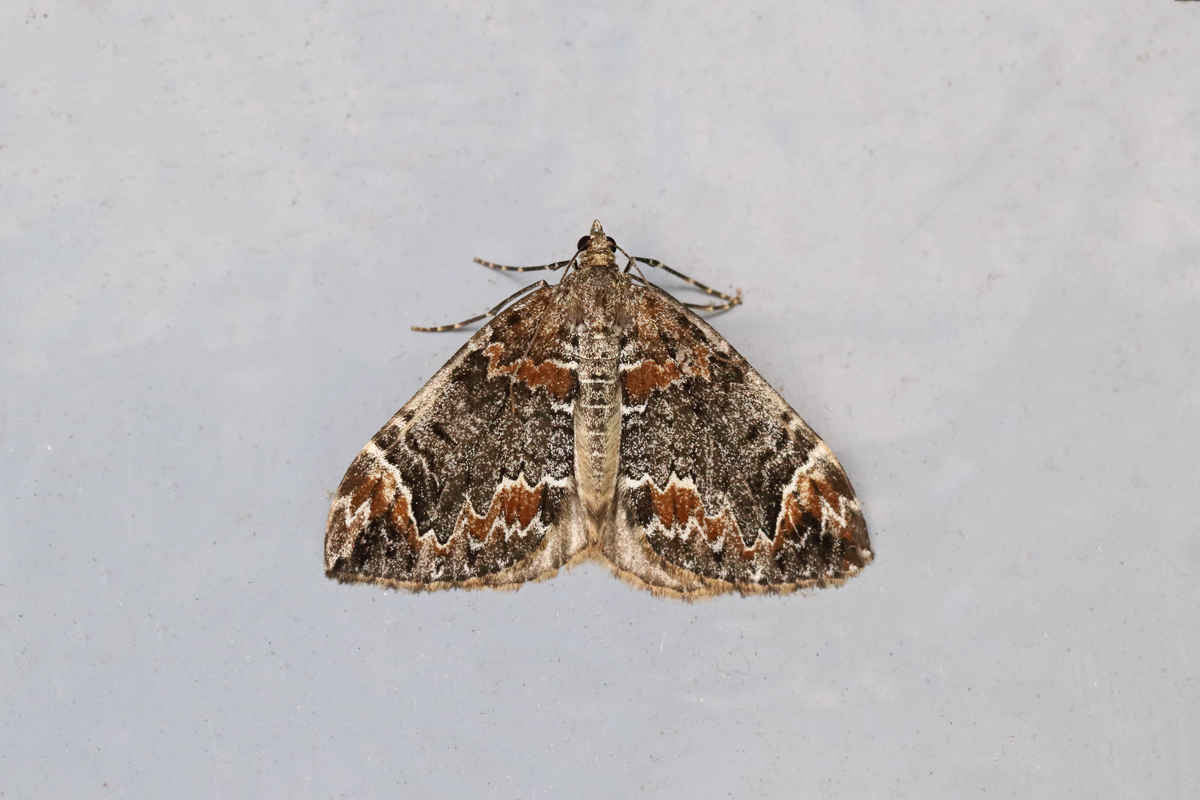
Dark Marbled Carpet

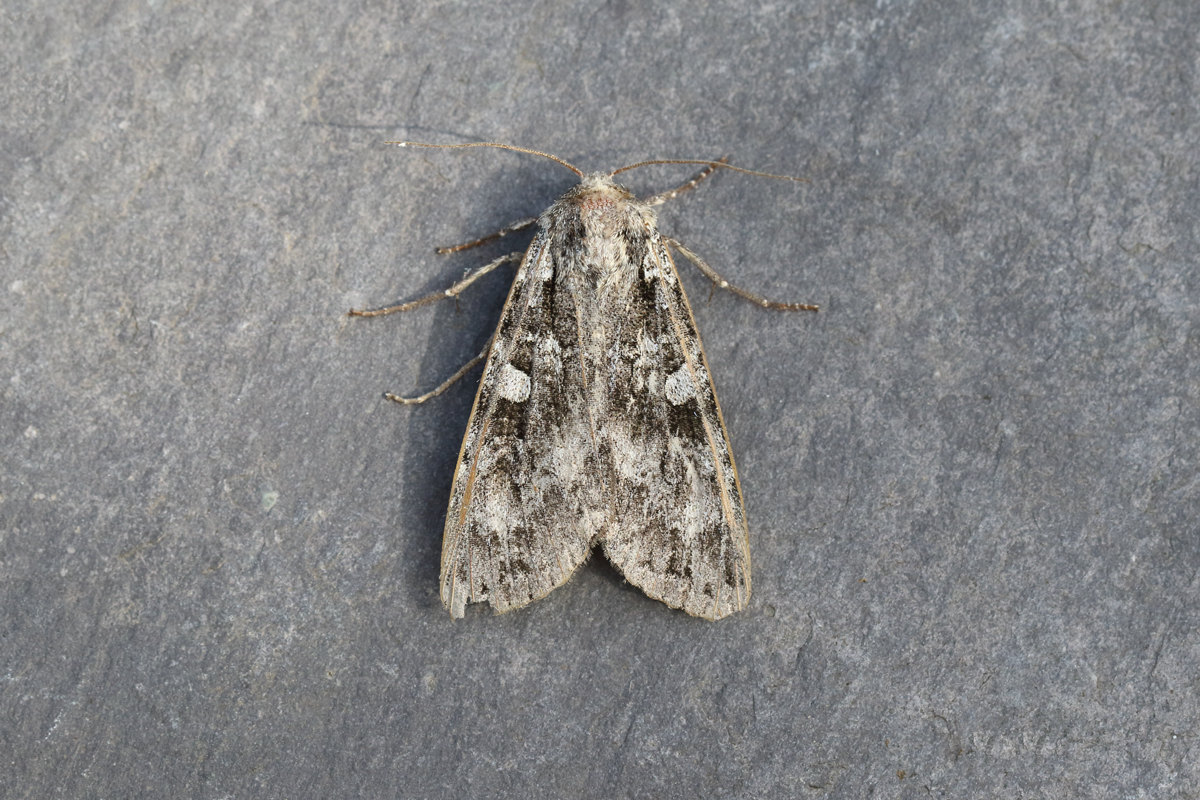
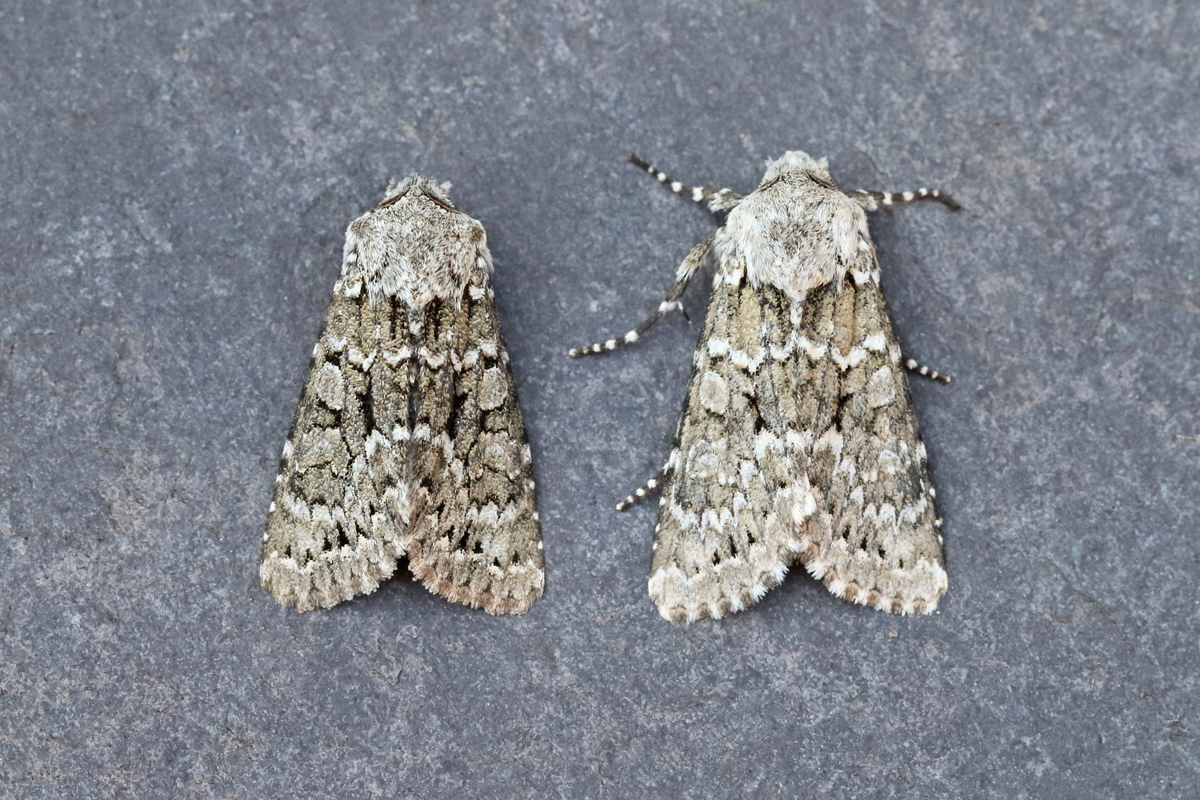
Grey Chi x 2

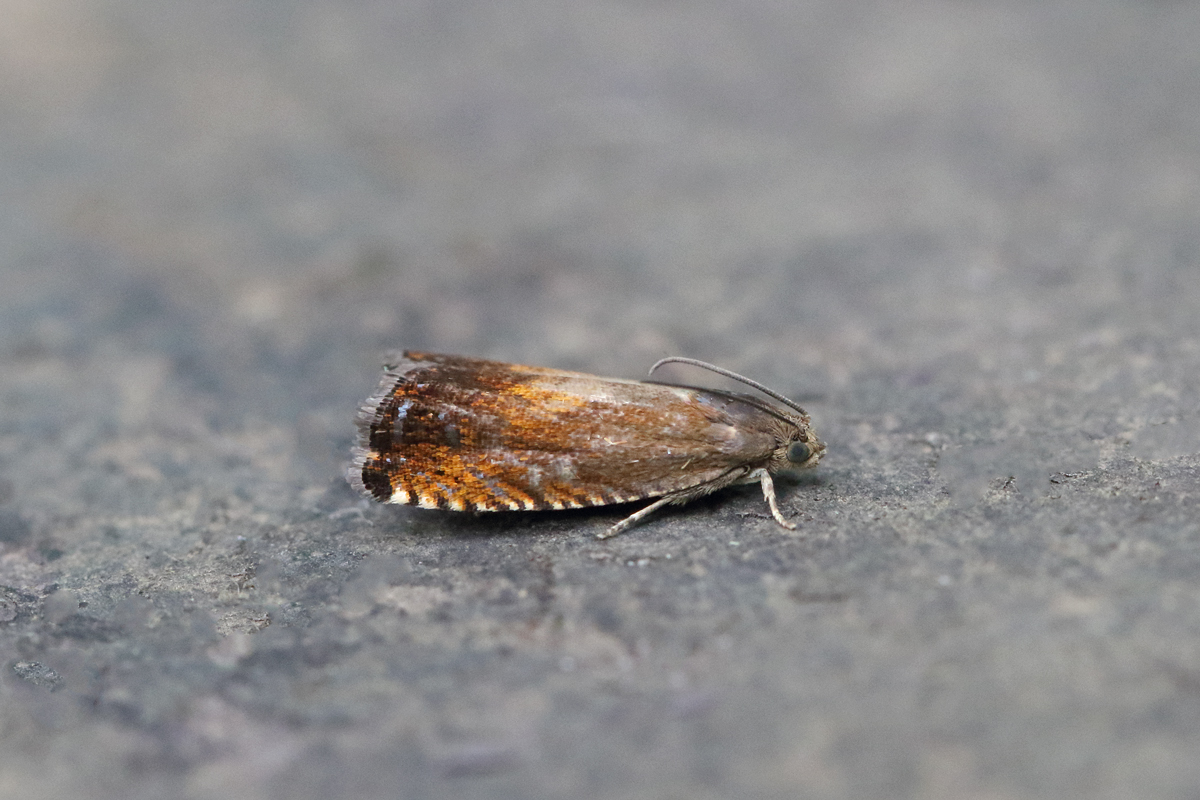
Pammene aurita, only my 2nd after one last year.

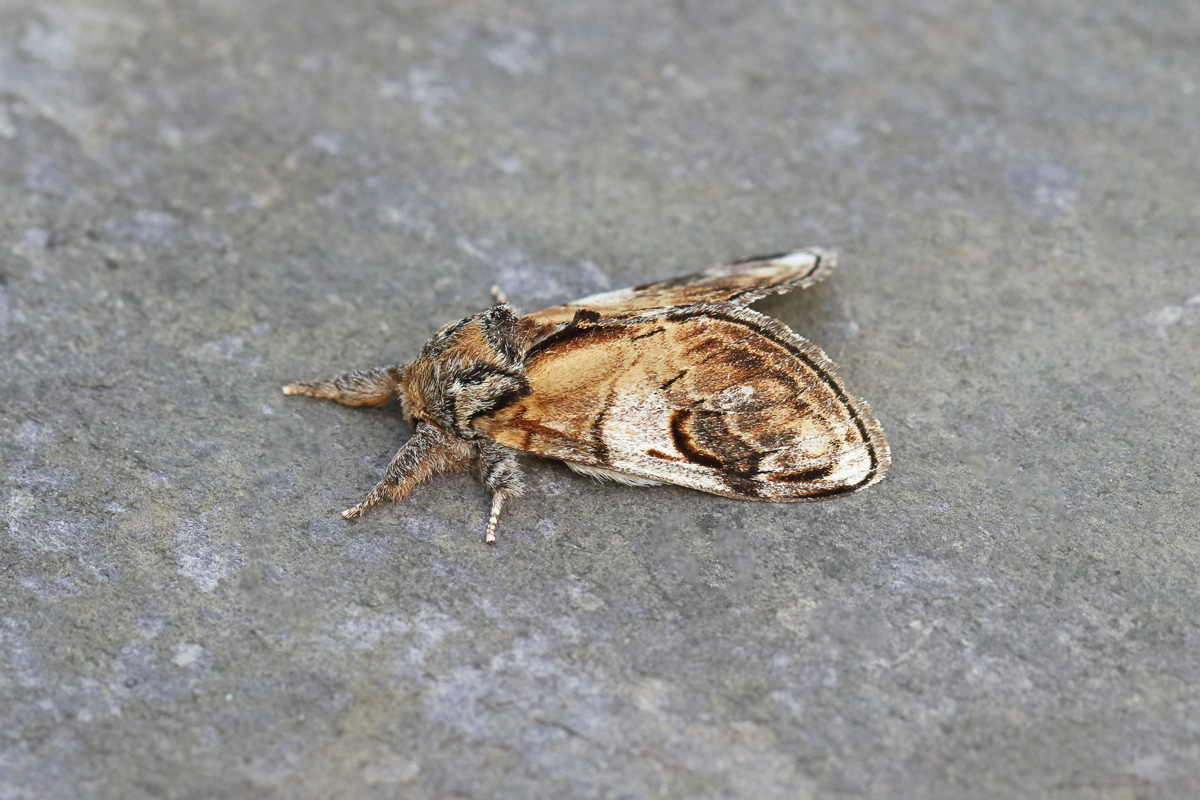
Pebble Prominent, well you have to...

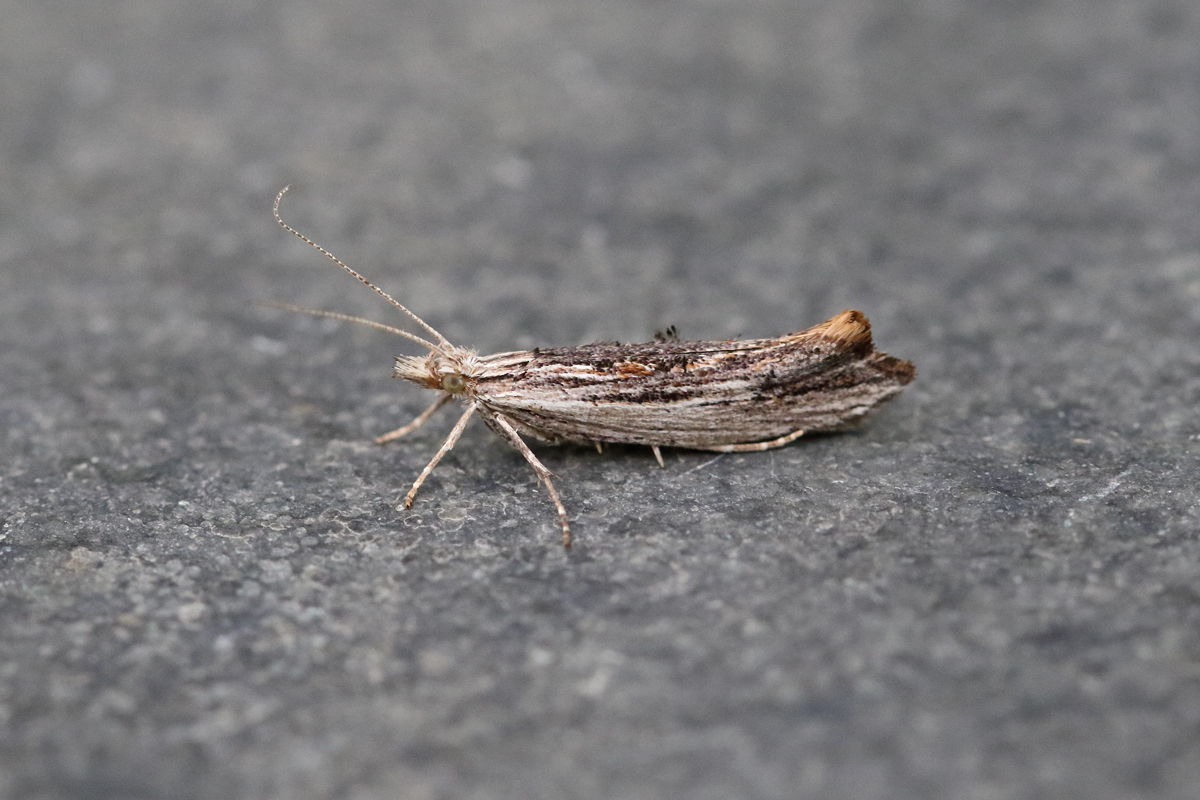
Ypsolopha scabrella, not a common or even regular moth in my garden.


Monday, July 31, 2023

Xitter...

 I used to enjoy Twitter. Now that a billionaire Bond Villain has taken over, Twitter has gone the way of so many free birds and died the death. the blue bird is no more,and the site is now called 'X'. It has basically gone down the Xitter so to speak.

I've taken a few days out over this weekend and I'll see how it goes from there. It'll be a shame to drop it all together as I have enjoyed engaging with like minded people I've never met. Time will tell.

After the seawatching of a week ago abated my attention was drawn again to the garden moth trap.  Looking back I see Ive not mentioned it for a few weeks so here are some pics of what has been occurring...

Gold Spangle, always nice to catch. I get single figures each year. Not a rare moth in the county.

Large Twin Spot Carpet. Zero to Hero. No records prior to 2018 here, now I have 49 records of over 70 individuals.

Ash Pug.

Crambus perlella barely annual.

This moth, Dingy Footman has a more meteoric rise than the Large Twin spot Carpet. Still very scarce in the county as a whole but not here. No records before 2018 now its common with 33 individuals this month alone!

Still catching a few Garden Tigers.

Sand Dart is a scarce species in the county, this is my second this year.

Cream bordered Green Pea. An unbelievable first for Northumberland in my trap the other day, found nowhere near the north East of England.

Dark Spinach, just about annual here, scarce generally.

Yellow Tail. Used to be rare in the county but also on the move. 5 individuals in the garden since the first in 2019.

An upside down Brown China Mark. Not a rare moth but always adds some interest, especially when the prefer to hang upside down like this.

Brown Line Bright Eye. Used to be much commoner but only singles in 22 and so far in 23.

Burnished Brass a common bread and butter species but it was nice to get one feeding for a change.

Dingy Footman of the pale form. Only about 1 in 10 here look like this.

Least Yellow Underwing, used to be quite scarce but now a late summer regular.

The Old Lady rarely enters my trap so few records but as soon as the old fruit and sugar mix is out she loves it.

I believe this is Brown Plume, only caught the other day, a garden first.


Monday, July 24, 2023

Seawatching

 This post might seem a bit austere as there are no photos. The main reason for this is that yesterday it poured with rain most of the time we were out. 

With a NE breeze blowing we could only do one thing - seawatch. The first of the autumn. 

In situations like this a fishing brolly is a godsend so we carted the gear down the track to tuck in behind a ridge and watched from 0720 - 0920 before deciding the day was just about a write off...

Still, a few reasonable local patch birds made it into the notebook - 


Sooty Shearwater 1N always nice to get the season off with a July Sooty. 

Manx Shearwater 23 N

Roseate Tern 4ad 1 juv N

Arctic Tern 15 N

Common Tern 3 N

Sandwich Tern 20+ N

Puffin 25 N

Common Scoter 18 S 13 N

Goosander 4 on sea

Common Sandpiper 1

Golden Plover 50+ 

Lesser black backed Gulls 7 N 

Swift 1

The rain eased off by 3pm so when news of a Cory's Shearwater past Newbiggin it was time for a double shift. This time at Cullernose, no brolly required. Another 2 hours 3.35 - 5.35pm was not lucky with Cory's but was pretty much a copy of this morning with

Sooty Shearwater 1 N

Manx Shearwater 21 N

Roseate Tern 5 ads N

Arctic Skua 2 dark phase N

Puffin 8 N

Turnstone 25+ N

The wind is still quite brisk today so I might get an hour later on...

Arctic Skuas


Wednesday, July 19, 2023

Coming soon...

 Mid July here and its ages since we've done any proper birding. But, fear not dear reader, there are some northerly winds forecast for the weekend so the seasons seawatching will begin...

In the meantime its back to creepy crawlies, flappy things both day and night and green stuff to keep us entertained.

When you drill down and take notice of the little things, there are never any quiet days. Lifers tend to call by every week, or day if you are a more diligent observer.

Last week I was about to leave our village hall and realised I was trapped. The wheelchair thresh outside had split and sprung up keeping the door shut. So, not being one for finesse a big push with the shoulder knocked the thresh into next week and I made my escape. Then I noticed a tiny creature jumping about on the concrete ramp, having been disturbed.

It was a small jumping spider that was duly captured for some pics then released back to its place.

The images showed it to be Euophrys frontalis a scarce spider up here. The males are even smaller but more colourful with red 'goggles' and black and white 'gloves'...

Euophrys frontalis, female, only about 4mm long. A scarce spider up here and a first for me. 

A calm mild night last week seemed a good time to start sugaring in the garden. Results were pleasing and by 11.45pm there were 1 Old Lady, 2 LYU, 2 Dark Arches, 1 Light Arches, 1 Double Square Spot, 1 Common Rustic agg. Since then its been cold windy and raining so that activity is on hold.

There was a good flurry of activity on Peggy's morning walk last Friday. The calling Quail that has not been heard for 10 days was singing up towards the Hips Heugh on Thursday then on Friday it or another was down beside the village in the coast fields. As I scanned around for it ( yes I know) almost as surprising was a sharp whistle alerting me to a Kingfisher darting past me over dry grass fields and into the village. It had come from the shore and was likely heading in to the ditches just inland.

Then as we walked along a nice adult Mediterranean Gull still in summer plumage flew over with some Black headeds.  

Not much happened over the weekend other than decorating, so on Monday when the sun shone I took a cuppa into the garden at lunchtime. A few nice bees on the Boarge looked interesting. They were male and female Willoughby's Leaf Cutter Bees, Megachile willughbiella. New to me and another example of how you can keep things fresh just by broadening your horizons a bit.

Female

Willoughby's Leaf Cutter Bees, Megachile willughbiella Male


Monday, July 10, 2023

The Summer doldrums?

 Mid- summer can often appear to be a relatively quiet spell for watching wildlife, and my lack of blog posts seems to reflect that, but that really depends on whether you can keep an open mind to observation opportunities.

 Sunday morning dawned misty after a day of showers. It was quite warm and humid with little wind.

 We decided on staying local beginning by meeting up at Alnmouth Football Club car park at 7am. With a high tide of 4.9 mtrs peaking at 8.15am our first stop was a wander along the cycle path to the wooden bench seat that overlooks the Aln estuary. Although it is only July, for many wading birds autumn has already begun. The breeding season is over and flocks of birds begin to gather at traditional wintering spots or make short stop overs on their way to these spots.

 On the Aln, there was a nice gathering of birds roosting out the tide, waiting until it recedes enough to allow them onto the muddy margins to feed. There were 19 Black tailed Godwits, half of which were still in brick russet breeding plumage, a loudly calling Greenshank from high northern moorlands dropped in to sit with 50 more local Redshanks. Further down near the sea, a large gathering of gulls and terns sat out on the sand bank. It was a mixed flock of Sandwich, Arctic, Common and a brace of Roseate Terns beside our larger gulls. While watching the birds, they all lifted in a ‘dread’ when a female Marsh Harrier flew low overhead and away to hunt the rougher edges of surrounding fields.    

As the tide began to drop and the mist was burnt off by the sun, we changed tack and headed off to Alnwick on a butterfly hunt.

 The bridges at Denwick road and Canongate are good vantage points to look for a newer addition to Northumberland’s butterfly fauna, the White letter Hairstreak.   At the Denwick Bridge facing the castle, one Hairstreak was flitting around the tops of some sucker Elms just below eye level from the high vantage point. Across the road another three were in a territorial dispute, spiraling and spinning off the higher canopy only to drop back again to the leafy tops.

White letter Hairstreak

Along at the other end of town, Canongate is usually a good stop for them but a lot of Elms here have been chopped so we didn’t see any. Hopefully there are still a few small trees to allow a population to breed unseen.

While here, a brave Common Sandpiper outstood passing cars and caravans and even a pelaton of shouting cyclists from the bridge wall itself. It called a loud piping tone to its mate on the river rocks below. As we watched a family of fledged Kestrels called high up above us and a few tardy tropical looking Banded Demoiselles danced along the river edges.


Common Sandpiper on Canongate Bridge


All to soon it was lunch time, and for us our excursion was over until next week. 

The garden moth trap has done well this past week with three species new to VC68! On the socials you see trappers further south cock-a-hoop if the catch a new species for the tetrad or 10km sq where they live. Up here, with few moth traps working, it is perfectly reasonable to expects new VC or even County species each year. Ive no idea on the 10k breakdown. Im not even sure anyone else traps within that range! Maybe one or two?


Brown-tail . Very few county records since the influx year of 1991. 

Hedya ochroleucana only a couple of modern Northumberland records but historically Bolam suggested it was common along the Tweed.

Acrobasis repandana a rare moth in Northumberland and a first for VC68. 

Eudonia truncicolella another garden first . Quite a distinctive Scop.