Showing posts with label Waders. Show all posts

Monday, August 21, 2023

Wader Time.

 Yesterdays post is a bit out of kilter date wise. I meant to post it on Saturday but forgot, so read that as Saturdays news.

This one is for Sunday.

The morning was warm and pleasantly sunny with a light SW breeze. I was along at Boulmer for 7am to meet John to have a look for the White rumped Sandpiper found on Saturday by Mark Eaton. 

On arrival the tide was high leaving little room for the birds but a scan along towards Seaton Point showed there to be masses of gulls and waders gathered . The bird has been favouring north of the village but that can wait until the tide starts to fall back opening feeding areas there. For the minute we wandered along the shore to check out the feeding frenzy.

There was no White rumped but that didnt detract from the scene as there was a nice Little Stint, 1 juv Curlew Sandpiper, 1 Ruff, 1 Common Sandpiper, 40+ Ringed Plover and 30+ Dunlin with good numbers of Redshanks, Sanderling and Turnstones . While we watched a Yellow Wagtail flew S along the coast.

It was quite sad to see a dead Porpoise on the tideline here. I often wonder if Dolphins are the suspects...


Deceased Harbour Porpoise.


Little Stint with other waders.

As the tide began to recede we walked back to the village where we soon picked out the White rumped Sandpiper from the masses of other feeding birds. It showed well and at times came quite close, but it was never still so the photos are poor and I couldnt get it steady enough for a video. It was a nice adult and a first for Boulmer taking the site wader list up to 39. What will 40 be? My money is on Spotted Sand...

Also here another 2 Little Stints, 1 Ruff, 4 Knot inc 2 in red summer plumage, 1 Bar tailed Godwit, 1 Whimbrel, 150+ Ringed Plover and 100+ Dunlin.


Adult White rumped Sandpiper.

White rumped Sandpiper, Boulmer


Boulmer was now filling up with visitors so it was time to bail out. Next stop the Aln Estuary. Apart from an Environment Agency Hovercraft racing up river and mud flats alike putting every creature for a kilometre square into the air there were a few waders to see.

3 Avocet, 47 Black tailed Godwit, 6 Knot, 2 Ruff, 1 Greenshank, 4 Dunlin and 7 Little Egrets.

Once the hovercraft with its engine like a Sea King helicopter had cleared the decks, we decided to call it a morning...

Stand aside bird life here comes a thunderbird at 30 mph into your feeding area.

Taking mud samples. There must be a less intrusive way than this surely.


Monday, January 10, 2022

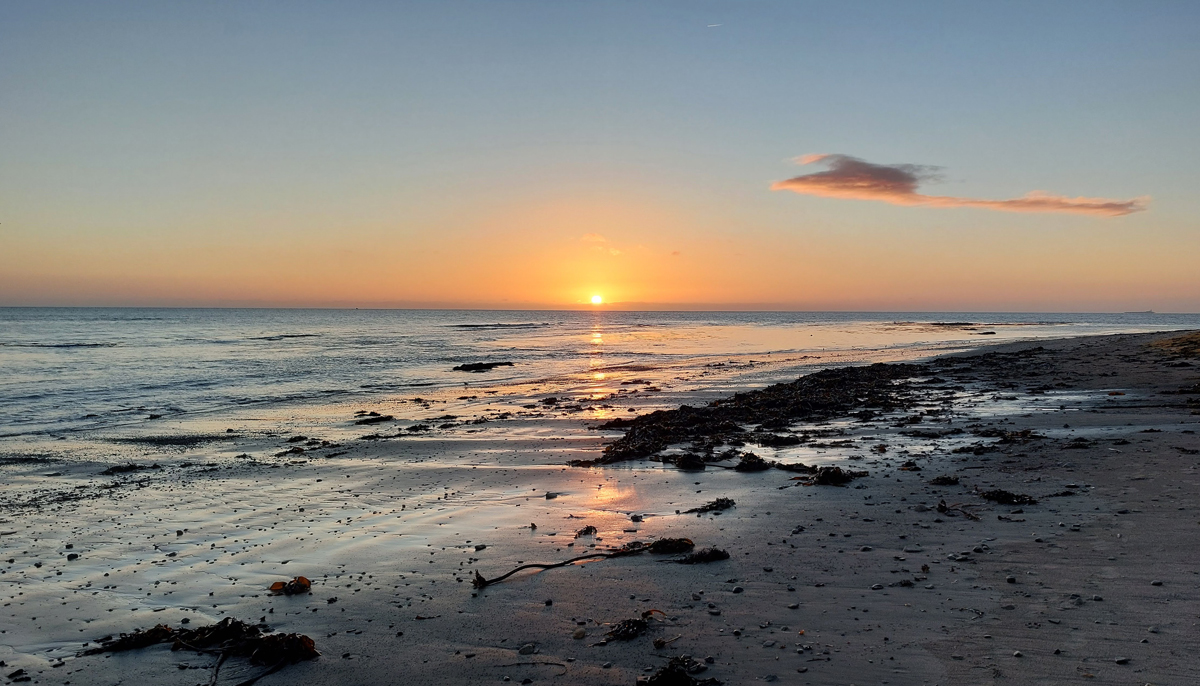
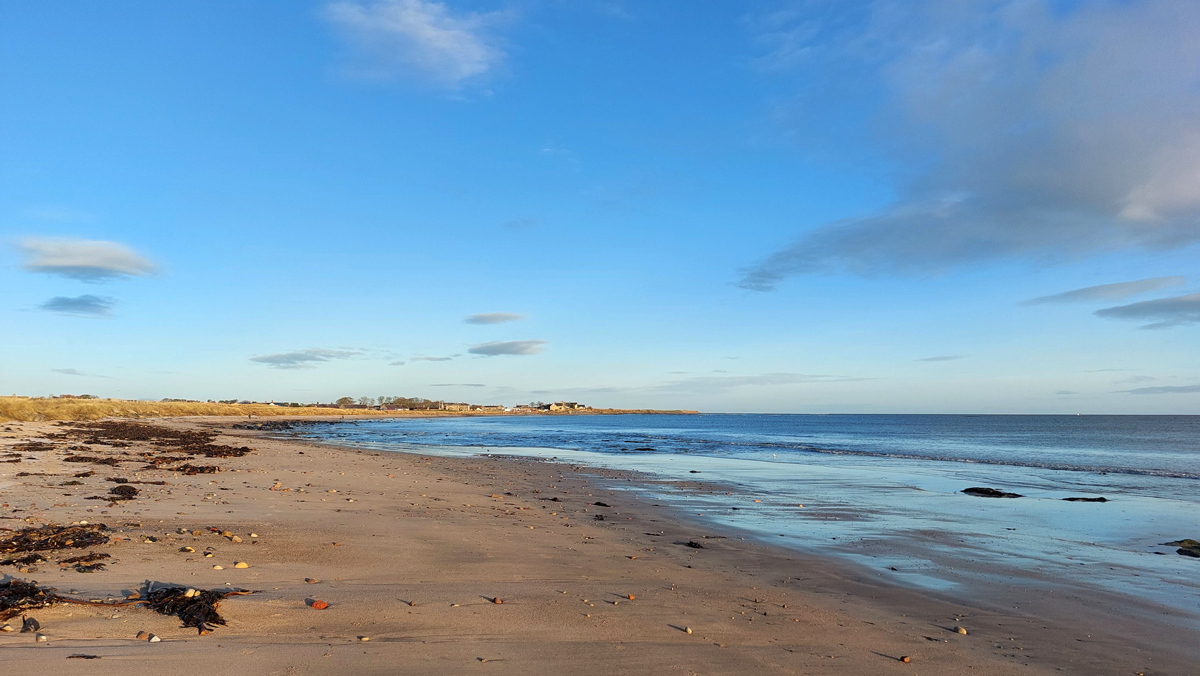
The shore.


Yesterday was my first visit to Boulmer, patch #2, of the year.

 As I left the house, a Raven called low overhead in the still semi dark sky.  

It was a lovely calm and bright morning on the coast. We managed to get ahead of the crowds by striding along to Seaton Point at sunrise where the tide was well in and a lot of waders were gathered right along the shore. A rough tally produced 108+ Sanderling, 62+ Dunlin, 23+ Bar tailed Godwits, 13+ Oystercatchers, 13+ Ringed Plover, 12+ Grey Plover, 50+ Redshank, 22+ Turnstone and 8 Purple Sandpipers. There was very little moving at sea though 1 Red breasted Merganser, 2 Goldeneye , 10+ Red throated and 1 Great Northern Divers were seen.

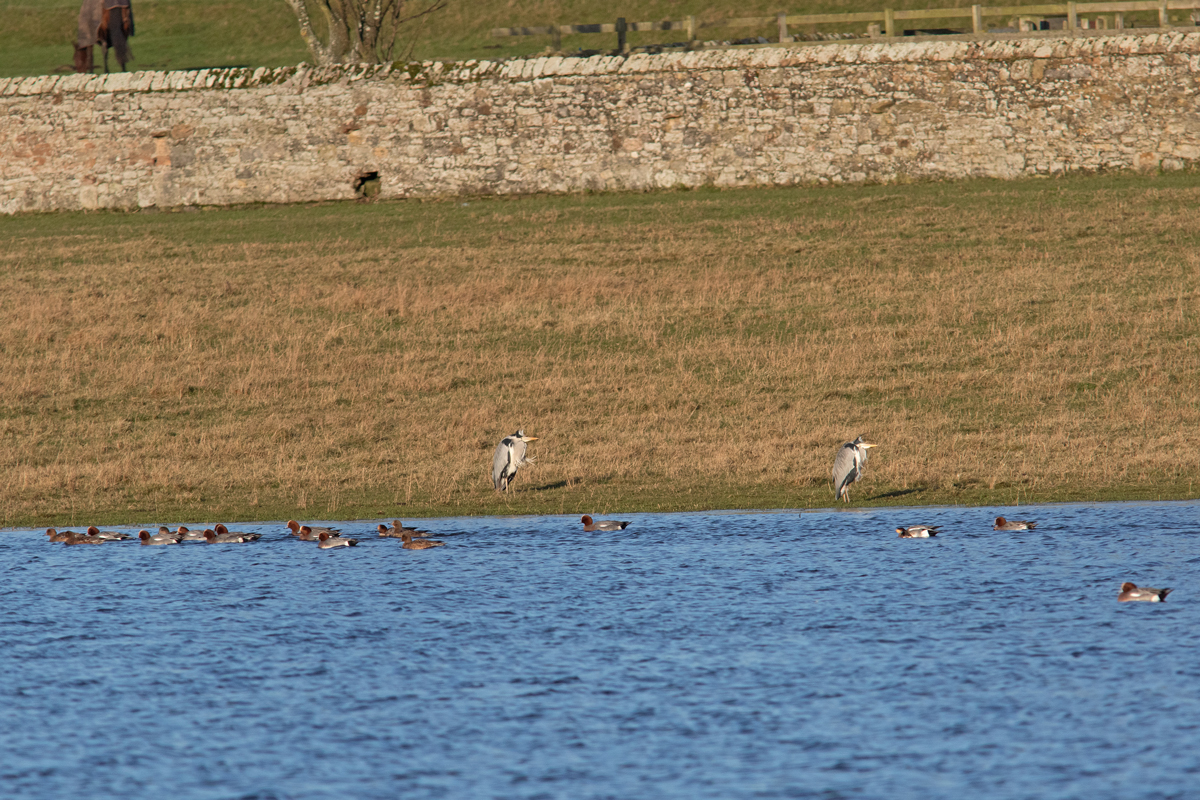
After we had tea at the car, the still flooded Bull Mere was counted. There were plenty of common birds but maybe 88 Wigeon were the only things of note.


Back down to the shore in front of the pub there were more waders to count. 123+ Dunlin, 1 Knot, 9 Ringed Plover, 4 Grey Plover, 2 Sanderling and 7 Bar tailed Godwit while nearby were 3 Goldeneye, a Shelduck and 1 sea-going Little Grebe in its usual rockpool channel.

 As you can see, I kept a basic list. Its not complete and there is no end total. 

This year I am keeping lists (see here for Gav's take on it at Not Quite Scilly) in a slightly different way.  I wont be keeping totals online, but may post the final result at the end of year round up. Or not, I'll see?

Usually we hare-arse around in January breaking our neck to get a Yellowhammer or Treecreeper or whatever when we know full well that we cannot go a full 12 months not seeing them. So this time, I am taking it easy, accepting what comes my way without the pressure. 

Of course I will incorporate variety into my areas but without hammering it. I am trying to focus on patch value this year by seeing what each day's highlight will be and enjoying it for its own sake without the numbers running the show, so no Bubo this time. 

Back home, we had a walk with Peggy down to the pond field. 2 Crossbills calling from the spruce were the first I've seen here for months


Friday, January 07, 2022

Garden Scrape

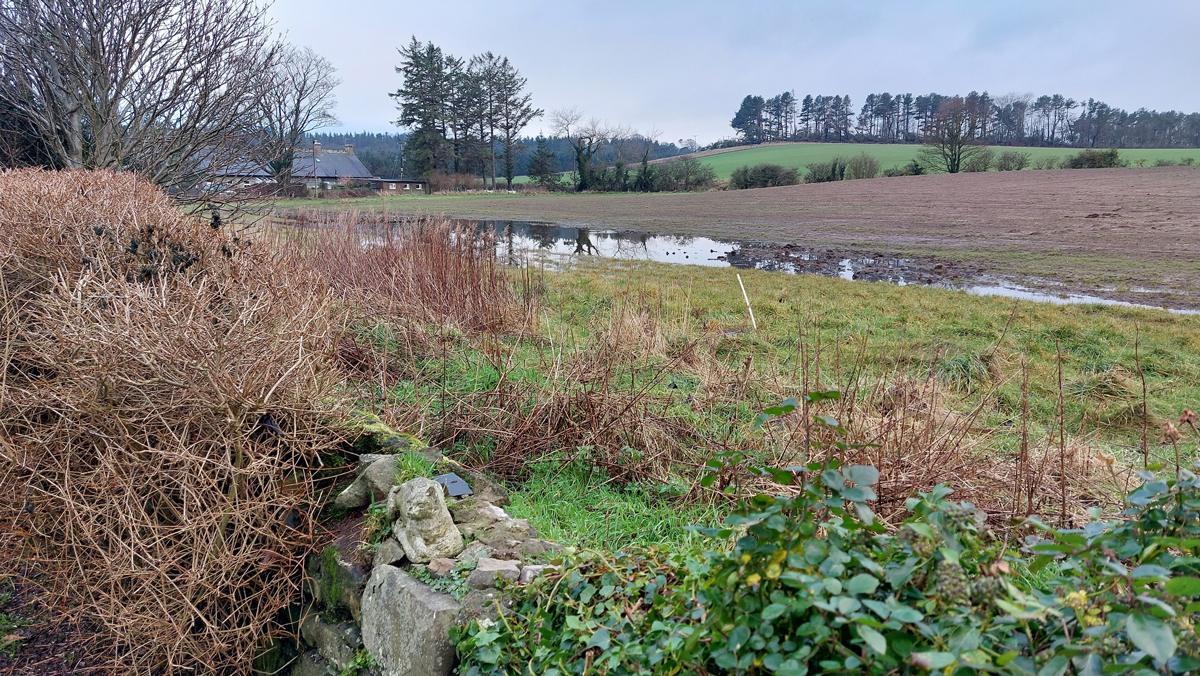
 That title is not strictly true. The mini flash-puddle now deemed the obs 'wader scrape' by me (what an imagination) is actually 30 mtrs over the garden wall in the back field, but it is very visible from the kitchen and bathroom windows and the drive. The new flooded area measures around 30 mtrs long and 10 mtrs wide. 

Remember the mega Dunlin before Christmas? Well, today another four wader species have used it. This is excellent because if it manages to retain water until say, late April, there might be a chance of migrants taking advantage. The problem is, it is so close to ours and our neighbour's houses that when anyone steps outside or delivers something that's the pond cleared but some of today's birds returned and are showing some tolerance. When the mornings get lighter it might pay to have a first thing glance each day before anyone has a chance to disturb it. 

I am thinking big*, with the likes of Wood and Green Sand, Little Ringed Plover or even (swoon) Temminck's Stint. Lynemouth flash has had 2 Citrine Wagtails and its not much different to this so who knows what could happen. This clarty plough is my oyster(catcher).

The obs Wader Scrape. 

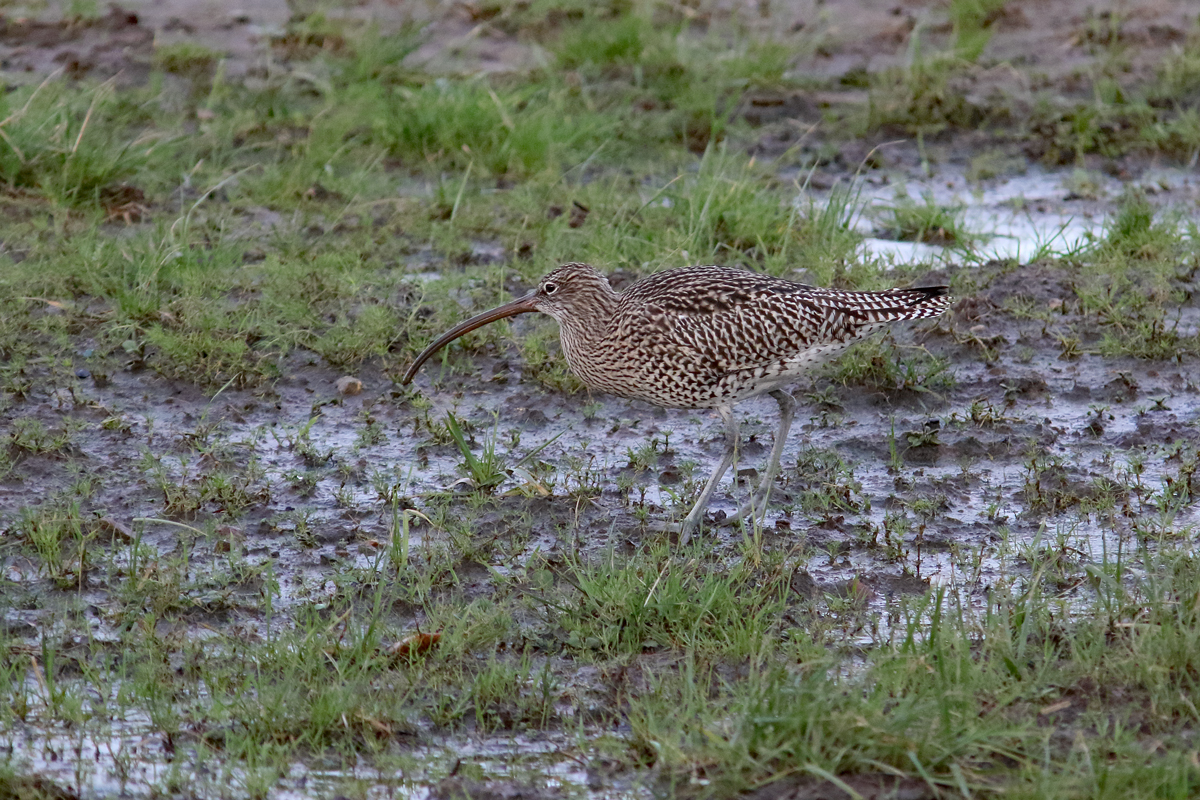
Curlew, one of five.

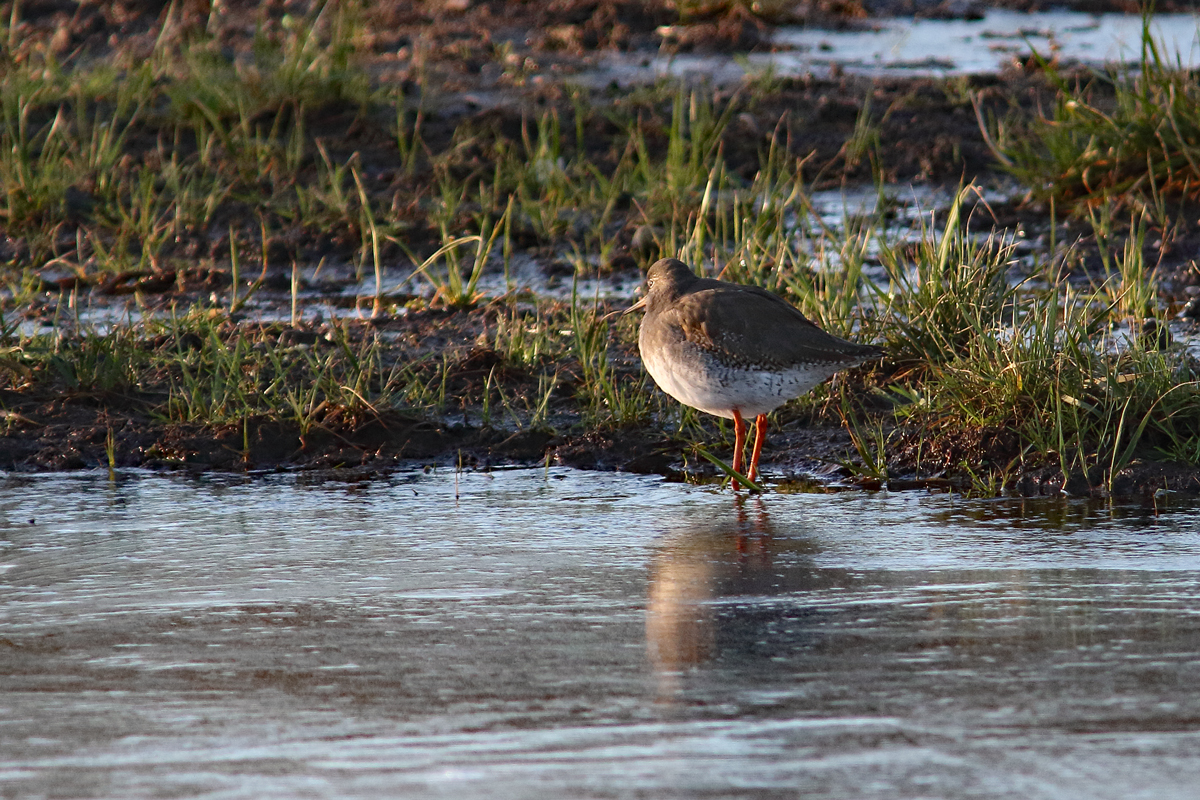
Redshank

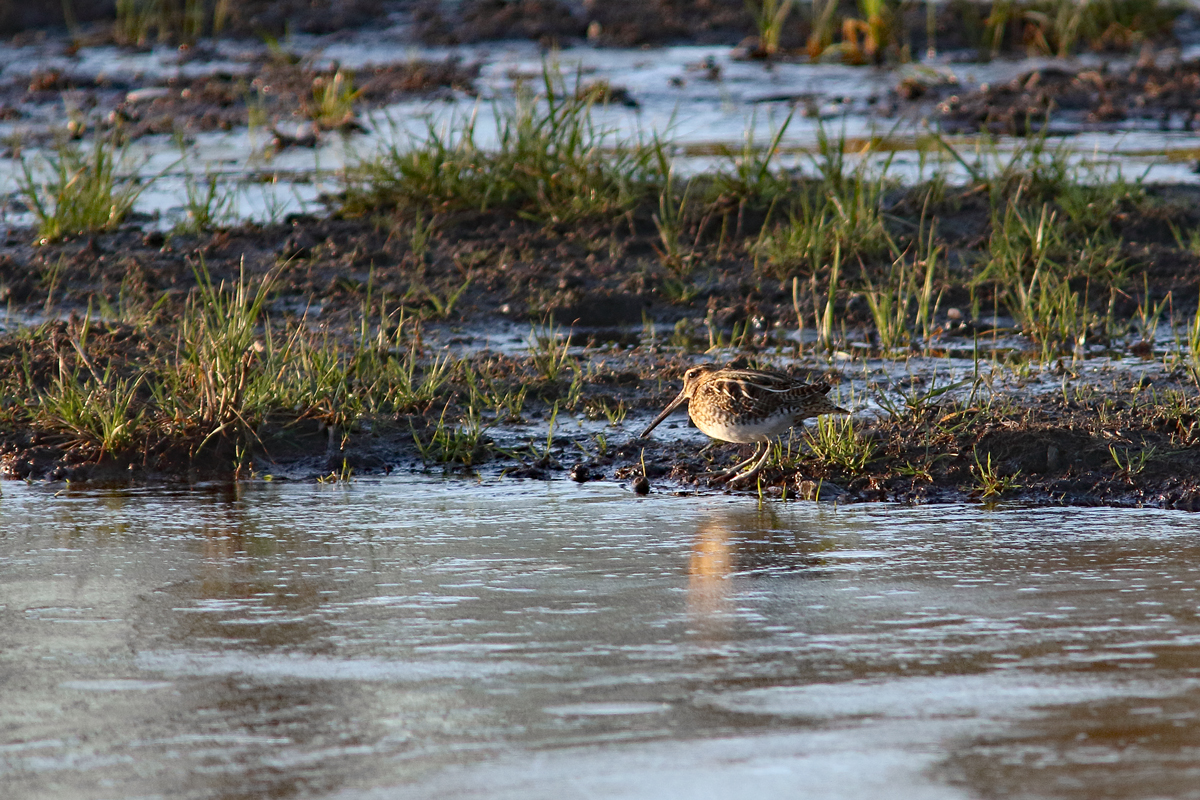
Snipe

Elsewhere around the doors, 6 Redwings were feeding in Rectory paddock usually a sign of poor weather inland, while 18 Teal and 2 Tufted Duck were on the main pond.

Its amazing how many common birds can be missed in a small area. I've had 60 species here so far this year but another 44 are possible and have been recorded in January in previous years with 29 of those being common or regular species here. Where are they all?

*by April this will be a damp patch covered in long grass, rush and oilseed rape. A White Stork might be visible.

Thursday, May 27, 2021

Boulmer Bonxie

Met up with John on a fine, bright evening at Boulmer.

The car par was three quarters full and many visitors were still on the shore. The tide was high, leaving little room for waders so we sat on the bench and pointed our scopes seaward just to see what was passing.

First of all a nice close fly by from 8 Common Scoter heading North followed by an Arctic Tern. The local breeders were out in force with many Auks, Terns and Kittiwakes feeding further out. The tide was just about to turn...

As we chatted and drank tea, I glanced north towards the village and saw that all the gulls were up over the beach as a couple walked along the strand line. Just over their head was a large dark bird hanging in the breeze. At first I thought is that an Arctic Skua, then it banked around to reveal that it was much bigger, a huge Bonxie , right over the beach! As if that isnt unusual enough, as soon as the people passed by, it dropped out of the sky to land in the washed up kelp right up against the marram grass.

We had great scope views, but hadn't I forgotten to bring my camera. Typical. So I watched the gear at the seat while John stalked down the beach, like a ninja Navajo, melting into the shadows until he was close enough for a shot. Unfortunately another couple and their dachshund had other ideas and marched right up to the bird. They were almost standing on it before it flew, off and away around the corner never to be seen again. 


After the skua had cleared off so did most of the public, thank goodness, and the tide was on its way out. Waders were flighting in to feed with 70+ Ringed Plover, 70+ Sanderling, 20+ Dunlin, 20+ Turnstone, ( no Redshanks always seems odd) and a single summer plumaged Knot. While 8 Shelducks rested on newly exposed rocks, the village pair were out with 11 ducklings, just Bonxie fun sized.

Further along, a pair of Stonechats with 2 juvs and the male Greenland Wheatear was still on the beach.

Not a bad couple of hours on an evening...


Monday, July 27, 2020

A winter visitor in summer...

After spending the last couple of Sundays on our inland patch we felt it was time to stay coastal this week. To be honest, this is a quiet spell until August kicks in so we hadn't really been missing much. Late summer holiday time can be a pain on the coast with lots of visitors around but an early start means you can make the best of it and leave as things get busier.

Today we met at Boulmer at 6.15am and with a 5 mtrs high tide at 7.30, we decided to start at the North End to see if any waders had been pushed in closer.


Although still early in the 'autumn' bird numbers were picking up with 250+ Dunlin, 6+ Turnstone, 8+ Bar tailed Godwits, 4+ Whimbrel, 1 Sanderling, 2 Ringed Plover, 1 Common Sandpiper, 30+ Curlew, 20+ Oystercatcher, 25+ Golden Plover and 30+ Redshank.

15 moulting Goosanders were in the haven and a juv Wheatear was on the beach..

On an area of barley field flattened by tractors putting in new drainage pipes ( god forbid an area around here has so much as a puddle left) a few passerines were attracted. 10+ Yellow Wagtails, 6+ Skylarks and Tree Sparrows, 1 juv Whinchat and many Meadow Pipits. A large, difficult to view, gull roost in a cow field had 1 ad Mediterranean Gull.

More unusually, a Hooded Crow was sitting along the wall. At this time of year we always get reports of Hoodies that are actually dull, dusty greyish juvenile Carrion Crows, but this was the real deal. Can't recall ever seeing one here in summer?

Common Sandpiper

Hooded Crow.

Returning waders....
After a couple of hours we headed back for tea, pasties and cake, you have to look after yourself in this game, to stop concentration levels dropping you understand. From here, the car park was full by now so we moved base to the South End at Seaton Point. We checked the point and along the road to the golf course layby.

A few more waders were on the shore. The tide had dropped considerably by now so most birds were distant but closer on show were 1 Bar tailed Godwit, 3 Ringed Plover, 6 Dunlin and 2 Sanderling in summer plumage. Off shore a few Sandwich, Common and Arctic Terns milled around but there were no Roseates unusually.

Along in the scrub at the edge of the golf course were 1 Sedge Warbler, 3+ Willow Warblers, 3+ Lesser Whitethroats, a family party likely, and 1 Common Whitethroat. 12 Crossbills flew S overhead.

The morning was almost over, so it was time for home to get the moth trap done. Its best to count the moths early on, but on Sunday they always get counted at the worst possible time when the slightest movement sends them flying away...

Boulmer Village viewed from the North, Longhoughton Steel.


Monday, July 31, 2017

Autumn creeps...

I've just been looking through my recent photos and can't find much to post about. They all seem to be moths! Despite a few identification cock-ups, this has been a decent season for new species in the garden, and August always has potential for more.

Meanwhile, sitting counting moths, more groggy than a zombie on methadone due to too many late nights and early starts, autumn sneaks up. Yesterday we had a short trip down to Cresswell for breakfast  er, to see the two adult Curlew Sandpipers on the causeway scrape and very nice they were too. Alongside them were 80+ Dunlin, a Common Sandpiper and 500+ Sand Martins.

Up at Amble, the Coquet Estuary held 6 summer plumaged Knot, 22 Black tailed Godwit and 30+ Dunlin, but the oddest thing occurred as I took Bunty out before work this morning.

Not rare, but certainly scarce these days, a nice Whinchat was on the roadside fence line just up from our village. A taste of things to come perhaps...we'll see....


Sunday, August 21, 2016

A good morning...

The road to Warkworth Beach...
This morning started bathed in lovely sunshine, a great improvement to yesterday's deluge, so we met up at Warkworth top car park at 6.30 hoping for a few migrants. Well we certainly got a few migrants but not of the kind we expected!

The rain and easterly yesterday looked as if there might be a Pied Flycatcher or even a Barred Warbler to be found but the clear night put paid to that idea. But as we searched, a very respectable list built up slowly and surely, with the help of our friends of course.

'Bush bashing' around the car park, a metaphorical term to describe searching thick scrub for birds, turned up 1 Wheatear, 3 Yellow Wagtails, 2 Chiffchaff, 4+ Willow Warbler, 7+ Whitethroat, 2 Blackcap, 1 Sedge Warbler and 2+ Reed Warblers. On one of the circuits a female Marsh Harrier appeared briefly over head as did 2 Little Egrets and a couple of Swifts as they headed south.

A walk down to the estuary initially seemed a dead loss until we poached some luck from Barbara and her husband, a nice couple of Warkworth residents, who stopped for a chat. At this point we found 4 juv Curlew Sandpipers and a very low flying juvenile Osprey heading up the Old Water. This is my first Osprey at this site despite many hours of coverage over the years, so it is a definite highlight of the year so far.

From the north side, I was checking the distant Dunlin and noticed an different looking bird with them, facing away and remarked to John. 'Its only half an hours walk around, we can check from the south side' was the reply. A good idea. But, the best laid plans and all that, the Osprey, Curlew Sands and a nice group of 9 Black tailed Godwits shook the thought from my mind...
  

From top left clockwise - Reed Warbler, Marsh Harrier, Caspian Gull and Osprey.

A young Roe Buck just starting to bud his little antlers.

A juvenile Sedge Warbler
 Back at the car, info came through about the annually visiting Caspian Gull in Amble Harbour had been joined by an juv Yellow legged Gull ( found by Birdwatch mag editor Dominic Mitchell no less) so we decided to check them out.

The Caspian Gull posed well on arrival but we were too late for the YLG so had to make do with two 99's with monkeys blood instead. Well, when mingling with tourists we could hardly refuse...

Three juv Curlew Sandpipers continue migration.
 A short stop in an estuary lay-bye along the road to see if the gull was roosting upriver proved fruitless, but as I scanned with Johns scope I checked the Dunlin...again at a little distance, was a strange looking bird, this time head on. Ah, its just a juvvy Dunlin, I casually thought and lunch was now calling, so we decided to call it a day.

No sooner had I lifted my gear into our house 20 minutes later than a message came over the phone from the eagle-eyed ( and clued up) young Mr Farrooqi Jnr to say that he had found a White rumped Sandpiper on the Coquet estuary... ( groan....), so it was all about-turn and off I went again...
The one on the right is a White rumped Sandpiper, honest.
 A small crowd had gathered at Amble Marina by the time I arrived and the White rumped Sand was showing very well just across the rising tidal river with a few Dunlin, and now an adult Curlew Sandpiper and 5 Knot inc 3 sum plum adults. It was a nice moulting adult too and overdue for the site. Thanks to Jonathan for getting the news out so quickly, a great record for the Coquet...

Monday, February 08, 2016

Up to the Guts....

A day off today, with a reasonable weather forecast, so we went birding...

With no planning whatsoever John and myself began at Amble Harbour and worked north.

Amble was very quiet indeed with nothing of note. Further along the river, a few ducks were worth a look, 100+ Wigeon, 1pr Gadwall, 4 Red breasted Merganser, 2 Goosander and 2 Goldeneye fed on a low tide, while a Little Egret flew over the point to the Gut  er Old Water.

At this stage we discussed the local site names for our usual birding spots. Traditionally, all bird records from most of the Coquet estuary were labelled Warkworth Gut. This name, however, is just wrong. Warkworth Gut is a small muddy creek running from the south behind Amble Marina and not the channel edged in saltmarsh and reedbed that runs to the north. This place, where most birds are found, is called Old Water. Now there are some tidal pools at the head of Old Water we have imaginatively named 'Old Water Pools'.

Just to confuse matters further, there is a small, difficult to view 'Gut' opposite the weir laybye, that could also be called Warkworth Gut, but it doesnt have a separate name, it is just known as 'the river above the weir'.

There, that's that clarified. Several Guts, but the real one rarely has birds...

Back to the birds. As we were here it would be rude not to call in to see the Coues Arctic Redpoll for the 5th time. Today the bird was running a bit late and left us standing twiddling our thumbs for half an hour before it and it's colleagues flew in to the usual fence line to allow viewing. There was some discussion about the identity of the rest of the flock. These birds get no easier. Most could feasibly be Mealies rather than the assumed Lessers. In fact only 2 birds out of 30 or so were obvious Lessers, one a very red breasted male and another browner bird, both small compared to the rest. There are definitely 3+ Mealies, the rest are just Redpolls....

Coues on its usual post....
 From Birling we headed up to Boulmer via Foxton Bends where 500+ Wigeon were unsuccessfully  scanned for yanks. At Boulmer we walked both north and south along the shore. There were lots of birds to search through, many hundreds of gulls and coastal waders with a few wildfowl too but it was a day of spectacle rather than substance. A Peregrine hunted the rocks and a Twite flew south. On the flash, a few Mallard were joined by a juv Pale bellied Brent Goose. It was the shere number of gulls and waders though that caught our attention the most. As the tide neared the high mark, the waves washed piles of seaweed around exposing tasty morsels for the birds. There were 8+ Purple Sandpipers, 50+ Turnstones, 20+ Bar tailed Godwit, 100+ Dunlin, 40+ Sanderling, 2 Grey Plovers, 200+ Curlew, 50+ Redshank on the shore. It was great to watch them swirl around and return to the beach every so often.

A sample of waders flying around.

Nearby a young Grey Seal watched us pass then went back to sleep.

Not a bad day, certainly better than being office bound that's for sure!

Grey Seal

Thursday, July 23, 2015

Rusty red and the mud hoppers.


My route to and from work drives right past a nice, medium sized, Northumberland estuary. Complete with mini mudflats and saltmarsh, the river Coquet at Amble is an excellent spot for migrating waders. Best of all, not having any hides, it hardly gets a look at by birders compared to the Druridge Bay reserves only a few miles south.

For me, this is its main attraction. You don't have to put up with 'birders' saying 'is the blackwit showing' or queues of cars waiting for the Barn owl to be papped a millionth time.

Right enough of that. Yesterday and this evening, on my way back from work I stopped for a quick scan of the mud for new arrivals. I've promised myself a White rumped Sand on here this year, even though its not strictly 'my' patch. I visit here with John regularly on a Sunday as he is doing a low key year list on the site. As he is busy elsewhere this week, I feel obliged to check the area on his behalf.

Last night there was a nice party of Dunlin, 40+ at least, all sporting neat black bellies and 11+ Common Sandpipers. Not earth shattering, for sure, but promising.

Tonight I only had about 20 minutes to spare, but straight away I could see the numbers had increased as the tide shuffled the birds backwards. Dunlin had upped to 80+ and a tidy Black tailed Godwit brightened things up. A very distant little wader scuttled through the Dunlin in a stint-like fashion so I left the car and walked a good 100 yards closer for a better look. No sign of anything resembling a stint, but Bingo! a lovely breeding plumaged Curlew Sandpiper stood heads above the Dunlin on the opposite shore. Occasionally the flock would lift and do a 'murmuration' around the edge before pitching in again. One stop had Common Sand, Curlew Sand, Dunlin, Redshank and Black tailed Godwit all in a line. Nice.

So, no sign of any peeps this evening but the one from arctic Russia was just as pleasing. Lets hope there are more nice waders over the coming weeks.

Sunday, January 12, 2014

Newton Nanny....

Low Newton
This morning was spent wandering around Gary's patch at Low Newton and the Long Nanny.

A thick hoar frost whitened the landscape and left a film of ice over still waters. Most of the morning was in that subdued winter grey light, brightening up for an hour later on.

Started off at Newton Pool. It was 'lifting' with wildfowl including 105+ Teal, 94+Wigeon, 30+ Mallard, and more unusual for me, proper freshwater ducks - 3 Shovelers and 2 male Gadwall. 100+ Greylags fed in the field behind the pond until a wildfowler fired off a couple, flushing everything around.


Down on the beach a few waders gathered ahead of the tide - 10 Sanderling, 5 Dunlin, 15 Oystercatcher, 5 Bar tailed Godwit, 2 Turnstone and a Rock Pipit. Back at the car thawing out blue hands, a Willow Tit was calling near the Tin Church. 


Moving the car along to Newton Links, where the car park is still free ( noteworthy in itself), I walked to the Long Nanny burn and back. An immature female Peregrine hounded a Redshank off the burn, unsuccessfully, as was I when I tried to get a photo and found I had cocked up the settings and couldnt remember what to do! Bloody novices....By the time I put that right, the bird was back on the breeding grounds....

A large gathering of Gulls on the beach didn't hold any surprises but the light was better anyway...


Common Gull taking off...