Showing posts with label Redstart. Show all posts

Wednesday, April 29, 2026

Red and Green...

 should never be seen, goes the old adage, indicating that the two colours may clash or indicate Christmas. In the natural world nothing clashes, there is no fashion, only beauty.

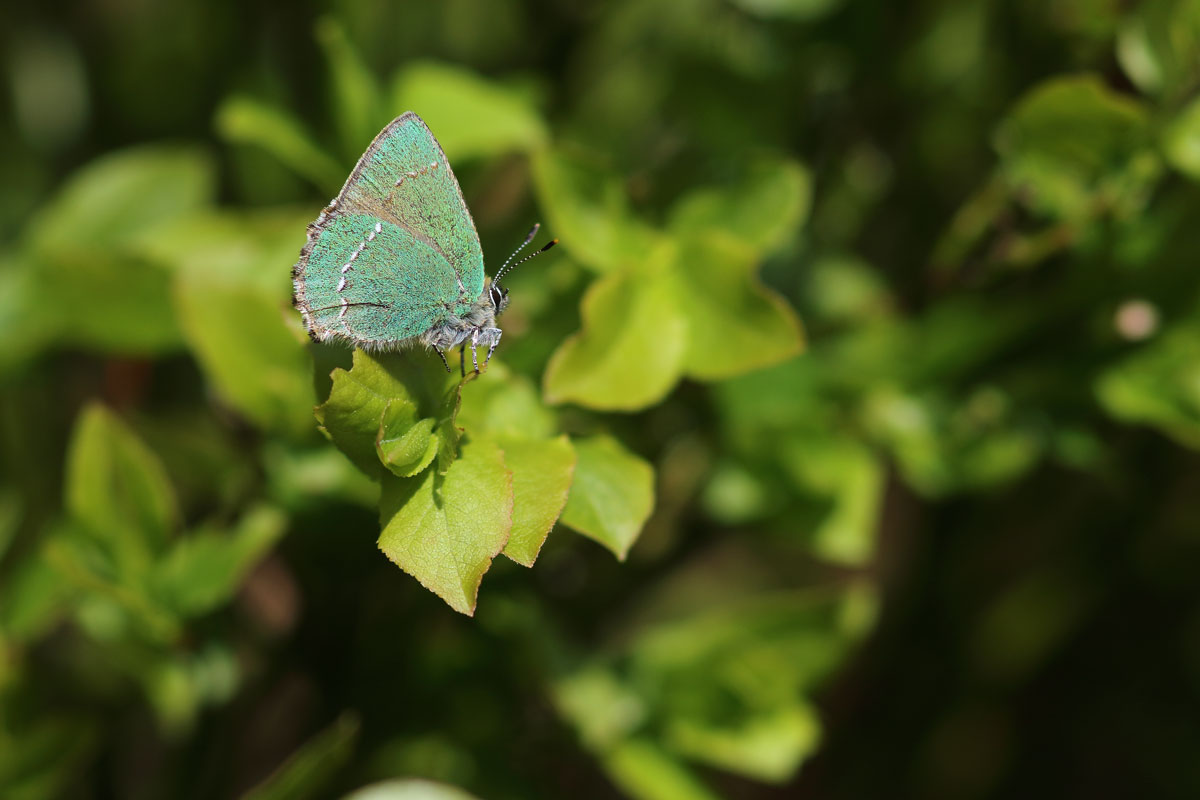
It was with this in mind, that on Sunday I was out alone, on to the Alnwick Moors towards Edlingham and Corby to look for Green Hairstreaks and hoping to get a better look at some Redstarts after fleeting glimpses last week.

It was a 50 / 50 day of success, with the Greens showing well, the Reds still not playing ball.

Starting off in a short stream gorge where 2 male Redstarts were singing on territory but despite waiting and watching leafless trees for an hour I still only managed very short glimpses of this upland stunner. I will try them again when by then the females might have them at a nest hole. Also here a Treecreeper took food into a long crack in an oak tree, and a nice male Grey Wagtail showed well in the sunshine.

Moschatel was still in flower while in the background Willow Warbler, Garden Warbler and Chiffchaff song filled the air.

Dreadful phone scoped shot of a Redstart. 

A short drive along the road, maybe a mile, where I stopped at one of our traditional Green Hairstreak Sites. Sadly the birch trees are now closing in but open places can still be found. Here, up to 6 Green Hairstreaks squabbled around bilberry clumps and as the air was quite cool they were easier to approach. While stalking the butterflies, a small single Bee attracted attention. Photos later confirmed that it was a lifer for me, Andrena lapponica Bilberry Mining Bee only discovered in Northumberland in 2020. Speckled Wood butterfly and Common Heath Moth flitted past while the years first Cuckoo was Cuckooing across the road. 5 Redpolls danced over head and several Willow Warblers sang in the scrub.

A grand Morning out.


Above - Bilberry Mining Bee showing its long jaws.


Green Hairstreaks, a tiny jewel of a butterfly.


Thursday, August 29, 2024

Another Yank...

 Before getting on to the headline act, there have been a few migrants around the locale this past week. To start,  a nice male Redstart was flitting along the edge of the cricket field on Monday morning, while yesterday an exciting flurry on Peggy's lunchtime dog walk had a cracker of a Hobby close to, out of the village wood, closely followed by a loudly calling Tree Pipit in the Pond Field five minutes later.  Not bad around the village.


But, getting back to Bank Holiday Monday, Daniel found an American Golden Plover on Longhoughton Steel giving him both 'lessers' at this site this year! That is both Pacific and American Goldies bot rare birds that used to be known as one species, Lesser Golden Plover.

Being a busy day, I played it cool and left it until mid afternoon before popping along for a look. As expected the beach holiday makers were beginning to leave and the Steel its self was quiet.

On arrival only two birders were still there and the bird  was loosely associating with about 60 European Golden Plovers, but keeping out of the main group.

At first, the AGP was asleep on the edge of a rockpool where it stood out like a sore thumb, and was easily seperable from its old world cousins. Eventually it woke up and had a wander around, picking at the seaweed. I was just getting comfortable and was taking some notes  when all of a sudden the whole flock was up and off towards the south horizon. The bird wasn't seen again after that. Later it was noted that a Peregrine had been hanging around, but I hadn't seen it. Still, 15 minutes of viewing was good enough. This was a new patch bird for me and only my third in the county .

So with Bridled Tern, Greater Sand Plover, Surf Scoter and now American Golden Plover, this blog is having a run on rarity posts. Dont worry dear reader, I'm sure that wont continue...


Above, two dire phone scoped shots of the Amercan Golden Plover. Top Some Notes on the bird.


Wednesday, April 26, 2023

Spring. Its all a myth....


Its easy to get disillusioned with a local patch when you see reports going    on all around you of spring migrants teaming through. From our place, I see tales of waders, passerines and raptors popping up in all manner of parks, reservoirs and suchlike so when I step out into a stiff icy cold Northerly with no birds I am reminded that 'spring' on the          Northumberland coast is almost a myth. Its like those Christmas Cards of  Dickensian scenes when we look out on Christmas day to 10 degrees and    rain...

 But, there are some things that the weather cant hold up forever. Birds   that  winter in Africa and breed in the northern hemisphere will eventually battle through regardless, its just that Northumberland is one of the final places to see any.

On Sunday we headed out hoping that today would see some arrivals, and for once we were lucky. 

The route was from Cullernose Point to Craster in the hope of a Ring Ouzel or at least a Wheatear.

The view south along the coast from Cullernose.

As it happens, the first of 5 new patch birds for the year came before I had left the car park. A Willow Tit buzzed briefly from the blackthorn scrub then promptly vanished.

We moved one vehicle along to Craster then the other back to Cullernose for the walk north. At Craster a pair of House Martins were new and were looking a potential breeding site in the waterworks. 

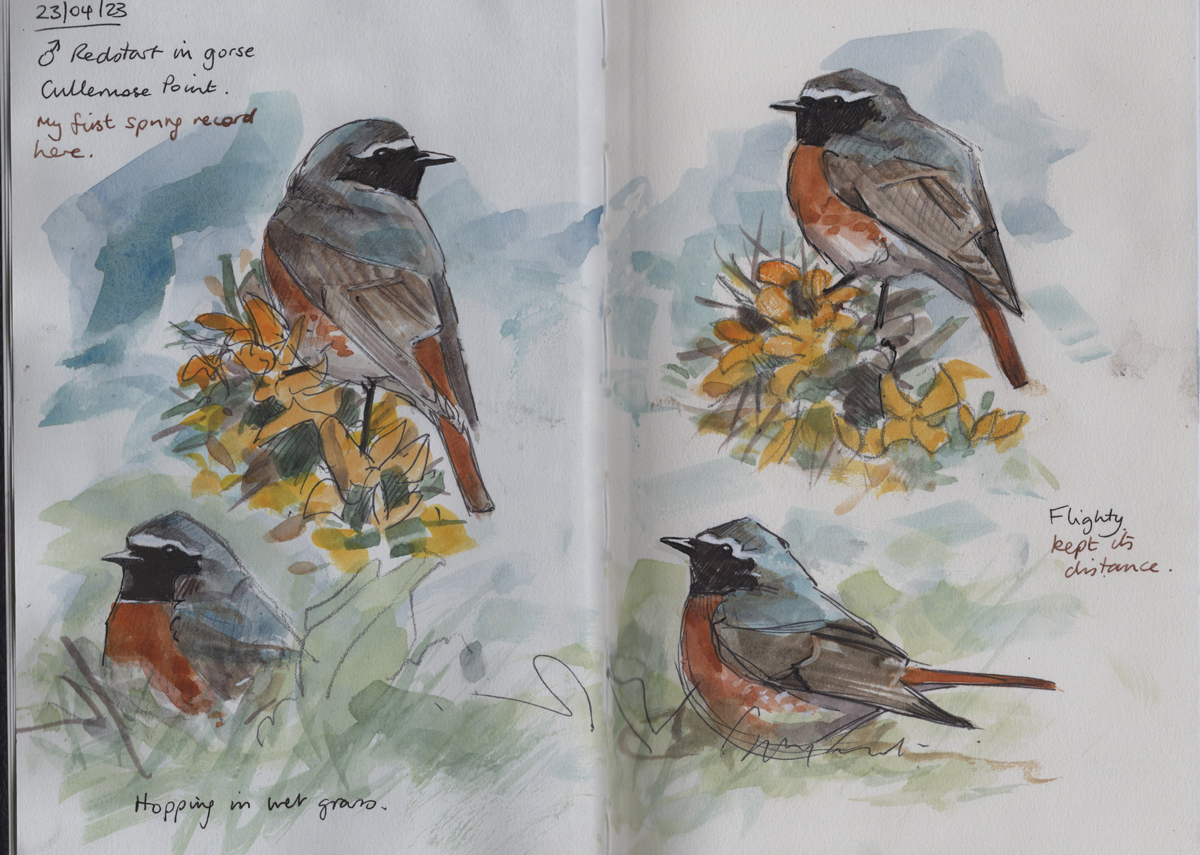
In these cliff hugging gorse bushes, above, is a short but sheltered farm access track that sometimes holds a few new arrivals. As we ventured in, a small bird flicked up off the grass -  a belter of a male Redstart! This is spring tame fare along the south coast but here it was my first spring Redstart in 14 years. Result. Further along a pair of Wheatears bobbed around on a pile of sand in the field, patch tick 4 in the first half an hour. Nearby a female Shelduck emerged from an open hay barn to meet her mate. No doubt she will have a nest behind the bales.

Redstart


The rest of the way to Craster held no more surprises, but the cover held good numebrs of Chiffchaffs, a few Willow Warblers and Blackcaps . The scrub here looks excellent and rarely sees a birder, including me, so I must make more of an effort.


This is the view just to the left of the top image. Dunstan to the left and Craster Heughs to the top right.

We walked around by the harbour and up into the Heughs where a rattling Lesser Whitethroat was the final addition to the year list. Roe Deer flushed and a Sparrowhawk flew overhead. All along, there was asteady but light northerly passage of mostly Swallows with an odd Sand Martin with them. 

As we drank tea and ate biscuits at the car, a report came through of a Crane flying N at Tynemouth and Whitley Bay. In the unlikely hope it might track another 30 miles we headed off back to Cullernose to wait it out. As expected, there were no further reports..

At midday, it was time for home, its seems spring has finally sprung after all... 

Eristalis intricaria Hoverfly on Blackthorn.

Razorbills loafing on Cullernose.

Roe Doe


Monday, September 12, 2022

Migration.

 Before the post, apologies for no further mentions of the loss of the Queen. At 96 it shouldn't be such a shock, but it was to a lot of us. Still, I dont think my thoughts on it will add to this blog, so we will continue as normal.

Over the weekend we've had a good bit of rain, backed by light north easterlies since Friday, all looking good for some passerine action along the coast. 

As per usual over recent years, I am too long in the tooth to be suckered in to high mainland expectations these days, all of the action in Northumberland was focused on Holy Island, and then some.

Try this lot on Saturday...

Red necked Phalarope, Dotterel, 3 - 4 Rosefinch ( inc a photo of 3 together), 4 Wryneck, Red breasted Flycatcher, Red backed Shrike, Barred Warbler, Black Redstart, 2 Wood Warbler, Lapland Bunt, Hen Harrier, Osprey with good counts of common migrants too such as 65 Wheatear, 30 Spotted Fly, 35 Redstart, 16 Tree Pipit, 23 Garden Warbler, 28 Pied Fly, 24 Whinchat ...

Those stats match up with the likes of Spurn or Flamborough . 

So what was I to do on Sunday? I asked the oracle that is Twitter, for a laugh. Should I get up to the Island, a half an hour drive from me, or should I stick local and go to Boulmer as per. The results were eerily familiar as you might expect with a referendum. Out of 280 votes, 52% were for Holy Island and 48% for Boulmer . Interestingly, the battle scarred premiership bird finders, to a man, said stay with it at home.


So, just as with the last referendum that had an effect on me, I backed the 48%ers and drove 3 miles to Boulmer. Who needs a barrow load of scarce anyway...

Before I get on to what we found, I can mention my home village patch was quite pleasing this week with my first Black Tern here since 2011 feeding close in off Rumbling Kern and on Friday a male Redstart and a weak looking Pied Fly at Cullernose, again good records for here. Viz migging has been active each morning during Peggy's walk with lots of Hirundines , Meadow Pipits and a few Yellow Wagtails and Tree Sparrows.

Back to Sunday.  We arrived at 6.30am, first light and spent the whole morning covering to south side as far up as the village. We weren't wading through a magic carpet of birds but we had a few to keep us going in these impoverished times.

We began at Seaton Point golf course layby as Meadow Pipits streamed overhead. 4 Siskins put in an appearance arriving from the east as did a lone, very high Song Thrush. Roadside scrub held a nice Pied Flycatcher, a Whitethroat, 7 Chiffchaffs ( no willows I could see). A Yellow Wagtail moved south over head.

A new route along the replacement coast path across the golf course looked interesting. Here were had 4 Wheatears but little else.

Dropping down on to the beach, a Spotted Flycatcher looked damp as it perched on the sand and seaweed where there were flies aplenty.

Next, we headed along to Seaton Point. It was nice to see more Private signs erected. You cant get enough Private signs in Boulmer, the most unfriendly village.

Near one of them, a second Spotted Flycatcher preened from a fence. Another dozen Phylloscs here included at least two Willow Warblers, while another Whitethroat moved around the brambles. It was while standing here, the loud 'peeez' of a Tree Pipit called overhead. in a flock of 6 or 8 Meadow Pipits.


Spotted Flycatchers above.

Once we arrived at the eastern end, the sparse hedge that runs north had another Pied Flycatcher, flicking from bush to fence and to Hogweed stems and a female Redstart flushed and flew off into thick cover. A Wheatear was on the plough with more pipits.
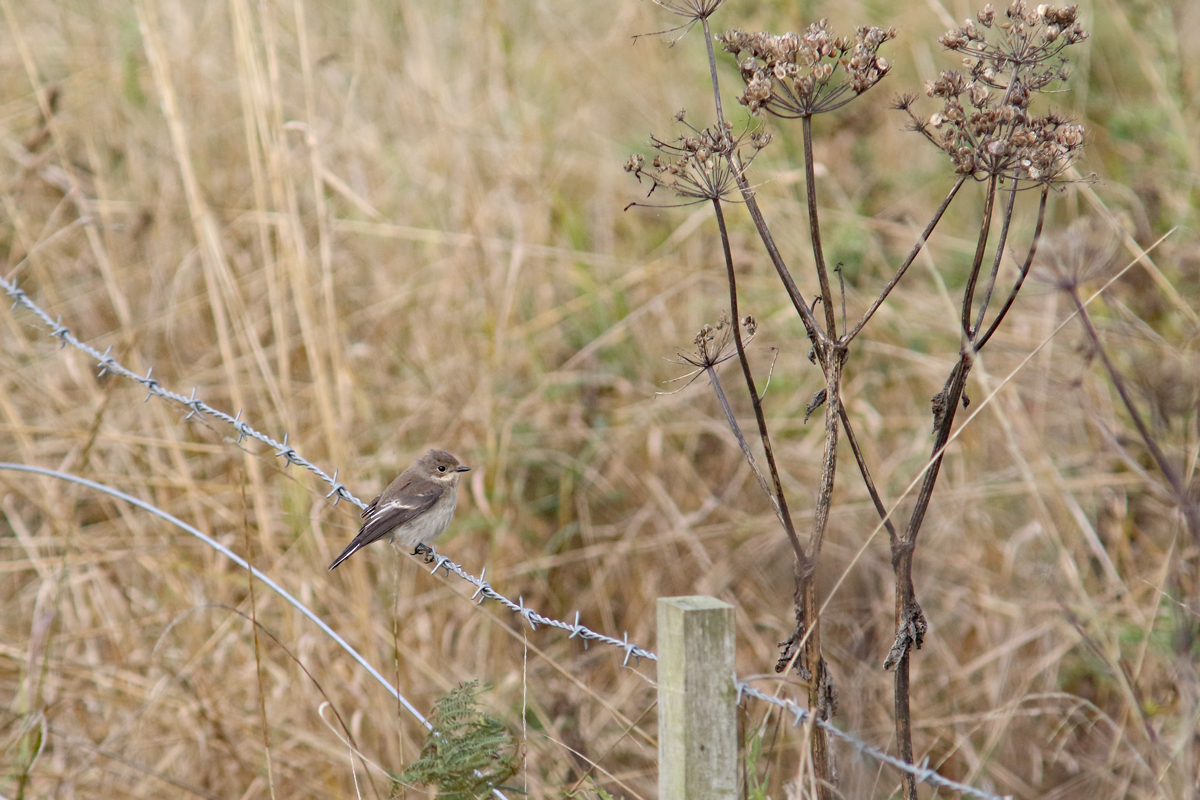

Pied Flycatcher.


The return journey covered more of the same with a new Blackcap and a male Redstart as additions .
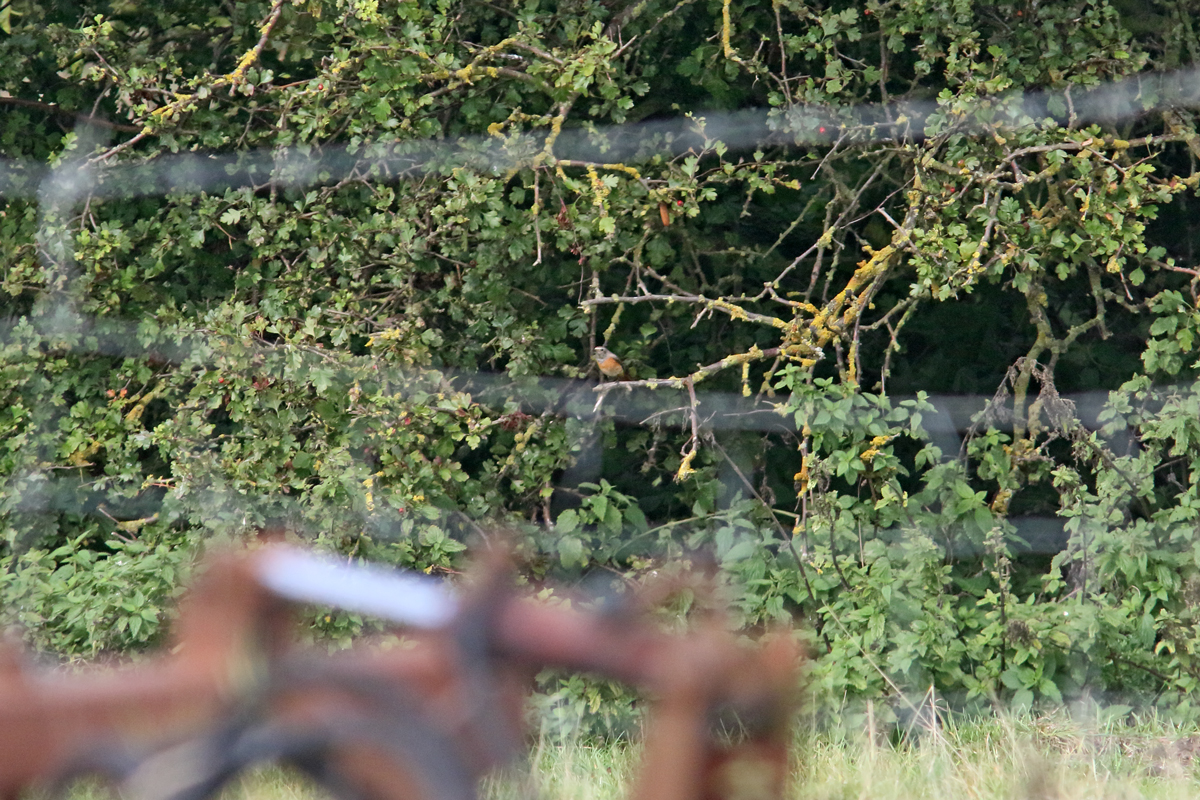
Poor shot but its a Redstart.

We weren't too disappointed that we couldn't unearth anything rarer as this scatter of drift migrants is a lot better than we usually get. Should we have gone to Holy Island? No chance. There had been a big clear out up there anyway so it was much better to find our own stuff down here.

The weather looks like it might give some tasty seawatching conditions from Thursday this week so watch this space...


Monday, May 09, 2022

One or two bits and bobs...

 Another week with no real birding. Still cant get motivated but I am out and about most days seeing whats around locally.

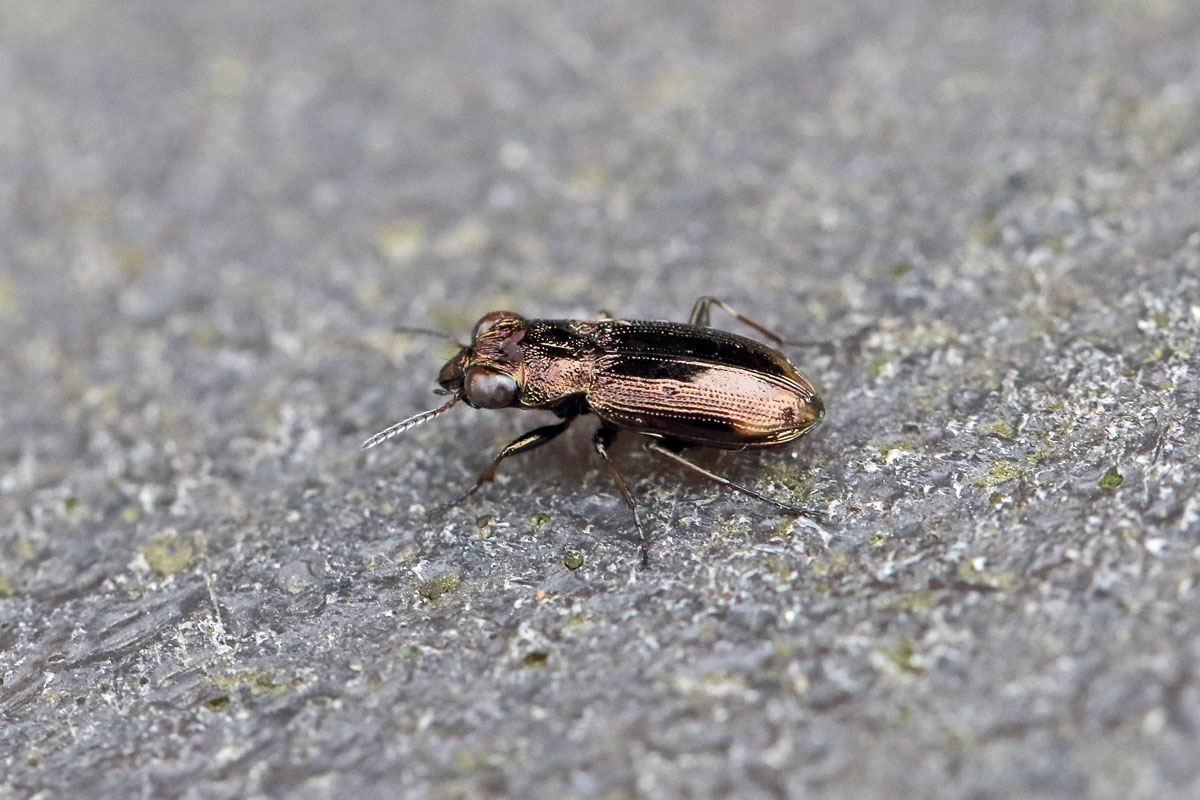
Moths have been dire. Maybe the worst spring I've known for numbers and diversity. The last few nights catches have been like late Feb or March with a few Hebrew Characters, Powdered Quakers and odd Early Thorn etc. A by catch visitor caught my attention this week, a tiny beetle with a big name - Notiophilus biguttatus. More jauntily known as Common Springtail Stalker, named after the way it hunts springtails by running them down to eat. Good job it was only 4 or 5mm long...


Not. Big. ( for short) A big eyed beetle...

We headed inland again yesterday morning. Our first stop wasn't a success when we were moved on by the bailliff! After some chat he was alright really and even showed us a photo on his phone of an out of habitat Bittern taken last spring on a field edge flood in Alnwick. Not bad.

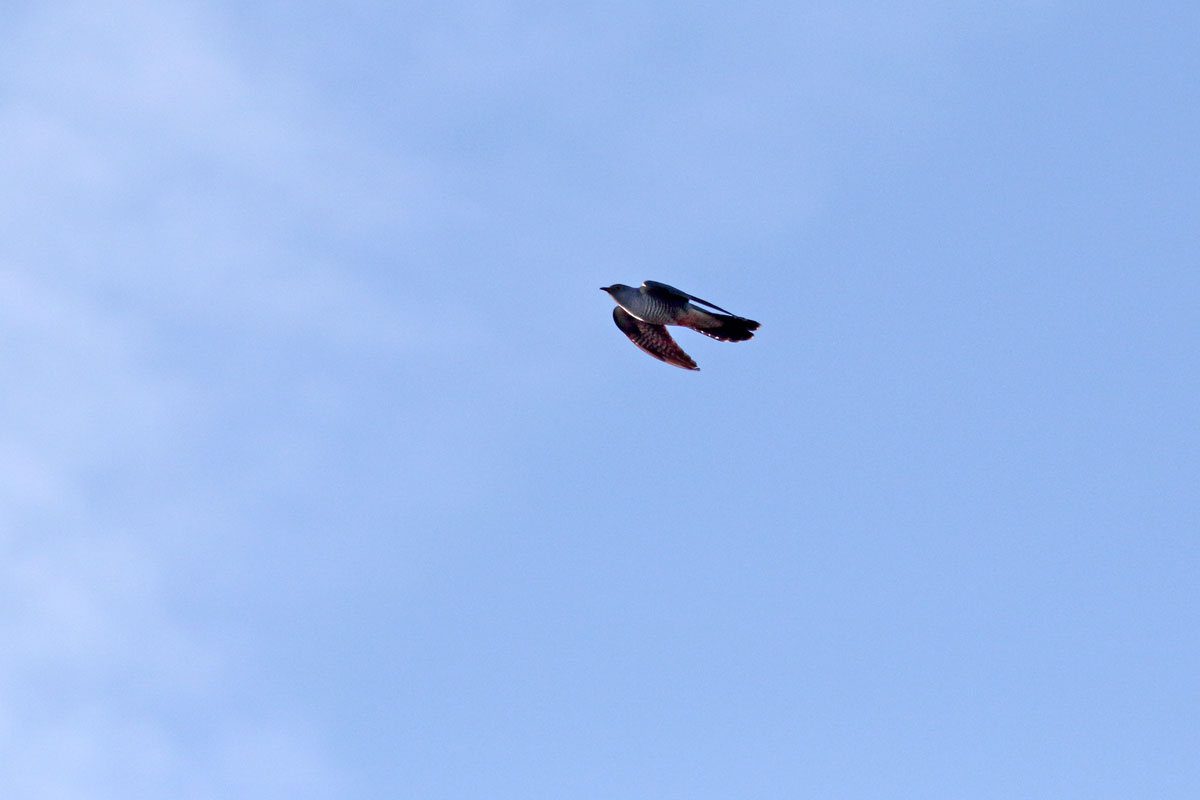
Cuckoo

A few Cuckoos were around at various spots with three of them making odd sounding calls. One called only the 'Cuck' bit, one called a 'tuktuktuk' noise maybe a female, and one did the Cuckoo in the voice of gravel throated Dan McCafferty of 70's rock band Nazareth. Maybe they've yet to tune up.

Redstarts were singing in all the wooded burns, but we didn't see any females. They could be on nests. Although we were in good habitat there were no Tree Pipits either.

Redstart

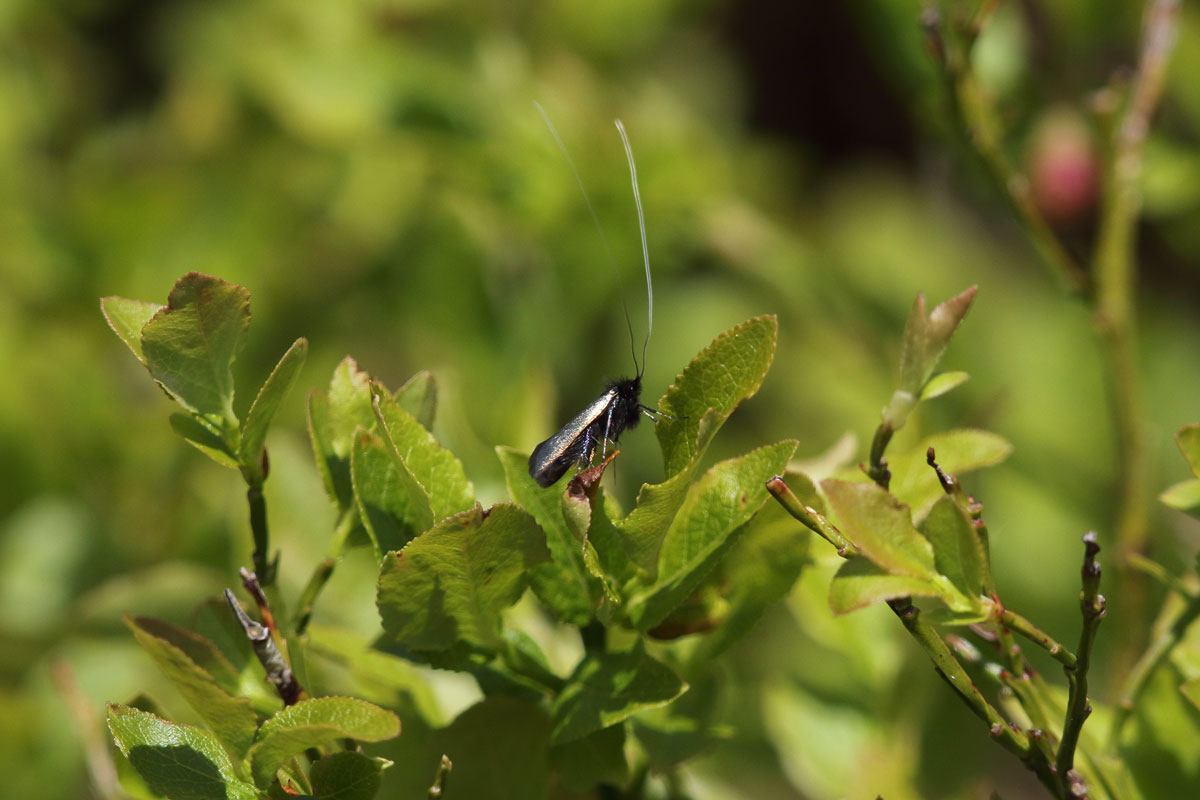
Another stop along at Debdon in now pleasant sunshine, was nice with Green Hairstreak and Adela reaumurella being found on some bilberry heath.

Green Longhorn Moth Adela reaumurella 

Green Hairstreak.

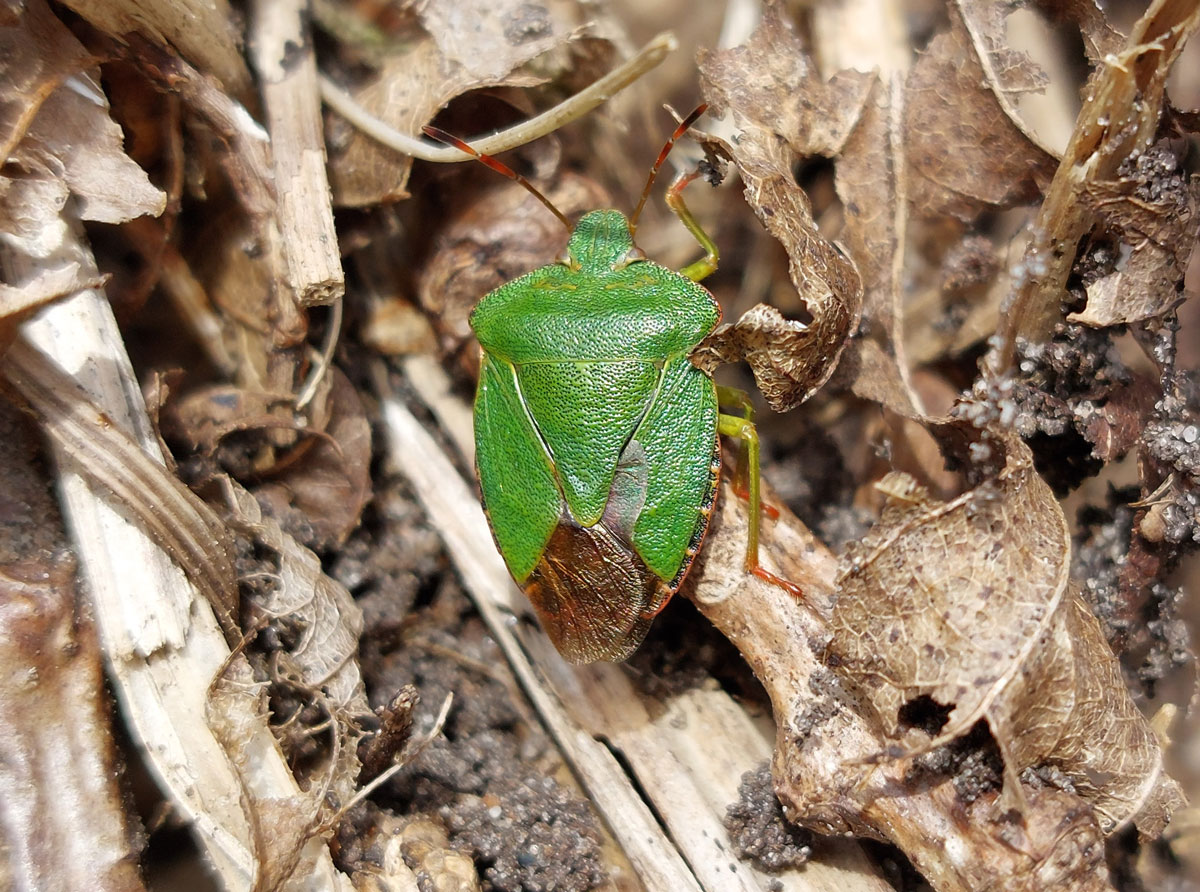
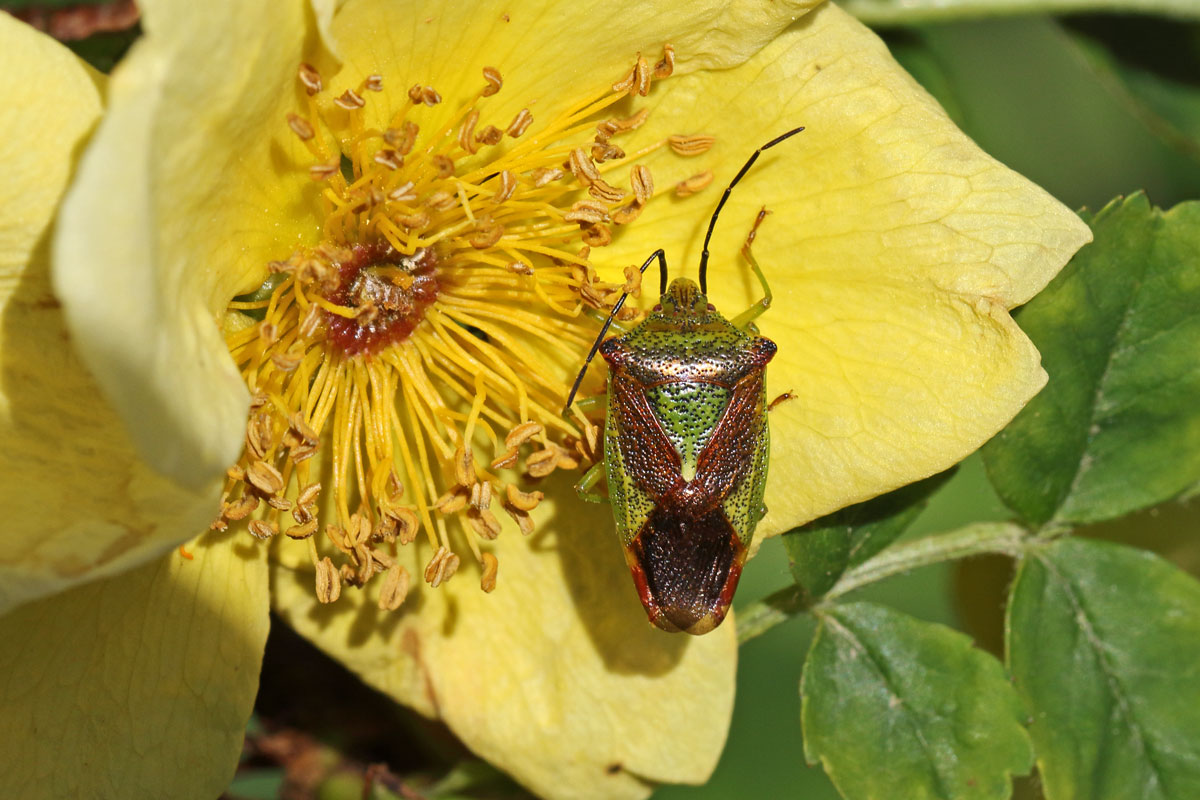
 Back home, a couple of Shieldbugs were found this week with Common Green and Hawthorn in the village.

Green Shieldbug

Hawthorn Shieldbug


Sunday, May 02, 2021

April Gone.

 Since the excitement of the Red throated Pipit things have taken the predicted down turn. This is mainly due to the relentless cold and poor weather that has hung around since March. In April the winds often take on a northerly view, making finding spring migrants a losing battle in Northumberland, but this April its not just us that has suffered. This April has been the frostiest on record nationally.

We have plants around us with brown and yellow new growth due to the constant cold overnight. Even hardy natives like Dogs Mercury and Stinging Nettle are looking a tad yellow around the gills but here we are in May so hopefully things will improve.

Last Sunday we had a change of scenery visiting some spots very close to where I live, but are scarcely visited, to do the Breeding Waders of Wet Meadows survey near Dunstanburgh Castle. Needless to say we didnt find many. Only two Snipe lifted from a small flooded patch near the castle and that was it.


Of interest last week were 5 daylight hunting Barn Owls again. I have seen 14 day hunting different individuals in that last 7 days. 5 on the moors the week before, this 5, 2 at Low Newton and 2 at home. Barn Owls here are a daily occurrence, an ever presence. This however, is not a good thing. The poor birds are only out during the day, every day, because they are struggling to find enough prey to keep them going overnight. Local ringers who study them have weighed some adults from nest boxes and found them very underweight. At D'burgh, one of the local Raven pair fancied one of the owls for a snack and gave a short flight pursuit, twice knocking the bird into the grass until we intervened. The owl recovered composure for a few minutes then flew off, leaving the Raven to find more suitable food along the shore.

Raven pursuing Barn Owl with intent.

A pair of Gadwall on the small Dunstanburgh wetland were a 5km tick for me, 1 Whimbrel was on the shore and 2 male Greenland Wheatears dashed around the rocks. On the sea off the castle were some close feeding frenzies that included 100+ Razorbills in fine summer plumage.

A feeding frenzy of Kittiwakes, Gulls and Razorbills close in off Dunstanburgh Castle

Greenland Wheatear

Yellowhammer

Gadwall pair

The past week has been just as quiet only adding Whitethroat to the list on the patch.

Today we headed up to the moors west of Alnwick. 

A walk along a burn lined with ancient twisted Alders and Birch was nice in lovely sunshine. A female Redstart was nest building, a Tree Pipit was song flighting and 3 Cuckoos were calling in the background. A Barn Owl was hunting the moor ( yes, another one).

As the clouds gathered and rain began to spit, another site had a Whimbrel circling low, unusual inland here, a Fieldfare, a male Wheatear but best of all two nice Green Hairstreaks and a male Emperor Moth were good to see again after an absence during last springs lockdown.


One of the Green Haistreaks. The bottom shot looks odd because the butterfly is lying tilted over to catch some of the sun.


Female Redstart nest building in old birch tree,


Sunday, April 18, 2021

Ouzels and a start...

 First bird this morning as I looked out of the kitchen window was the Brambling that had decided not to cross the North Sea just yet. After a brief show on Friday evening, Saturday evening and today it has been much more forthcoming spending the time chasing Chaffies from the bird table in between resting up and singing his Greenfinch like wheeze above the feeders.

For the first time this year, John and me headed inland all of 5 miles or so to Alnwick Moors. Thin cloud cover meant the day was still very cold though the frosts of recent days did not materialise this morning.

Before 9.30 we had seen 5 daylight hunting Barn Owls including two together at one site. 

We stopped at two random non birded spots for a look as we usually do and were pleased with a nice male Redstart in full song and a hatful of Willow Warblers with an odd Blackcap for good measure. One of the Barn Owls floated around serenaded by the Redstart overhead.


Male Redstart in song.

Our next stop was generally to look for insects but it was a bit cool so we had a yomp around not seeing much, until John gave a whistle and waved me up the hill. He had found a nice flock of 6 Ring Ouzels along a dry stone wall. There were 5 males and one female all seen together as they flew off high west only to circle around and drop back in to the same spot. All the while calling like a squeaky rubber ball. One male was partially leucistic, being dotted with white spots. We stalked for a photograph but they remained distant so here are some record shots.

Also here were 20+ Redpolls, 23 Fieldfare and 2 Stonechat.

When migrant birds are coming and going from all parts, its good to be out. 


5 of the 6 Ring Ouzels, we didnt see where No6 sloped off to...