Showing posts with label Golden Plover. Show all posts

Monday, April 11, 2022

Alnwick...and around.

 Since last week's twitch, things have been back to normal around NE66.  

A few new birds have been moving through the patch as would be expected by now.  Siskins are daily seen passing over but only one male has been on my feeders. Two Bramblings on the return leg of their winter stay called in. A female with the Chaffinch flock on Wednesday then today I heard a familiar 'wheezing' note, like a Greenfinch but softer. As Greenies have a sad new status in these parts I paused and wonderd if it was a singing Brambling? Sure enough, there he was up a small tree singing away, still in winter plumage. Its a sorry state when a singing Brambling is almost as likely as a singing Greenfinch locally...

A bitterly cold NW wind on Saturday gave zero chance of summer land birds so I had an hour seawatch from Rumbling Kern. Its not as much of a point as Cullernose and is in the shadow of Boulmer but it can be ok for gulls and terns.

1600- 1710 - 

Red breasted Merganser 1 drake N

Sandwich Tern 5 N ( first terns of the season)

Razorbill 14 identified many auks too far out

Common Gull 98 N

Kittiwake 130 N

Gannet 50 N ( I don’t usually count Gannets and Kittis but early on there isn’t much else)

Fulmar 2 N

Shelduck 1 N

Common Scoter 4 N

Goosander 1 redhead S

Whooper Swan 2 N

Lesser black backed Gull 1 N

Shag 1 N ( rarely count these either, but there was only one today so for completeness)

Red throated Diver 1 N

Purple Sandpiper 15+ on the rock with 15+ Turnstones.

Sunday remained cold but very bright and clear so we checked some of our inland sites around Alnwick.

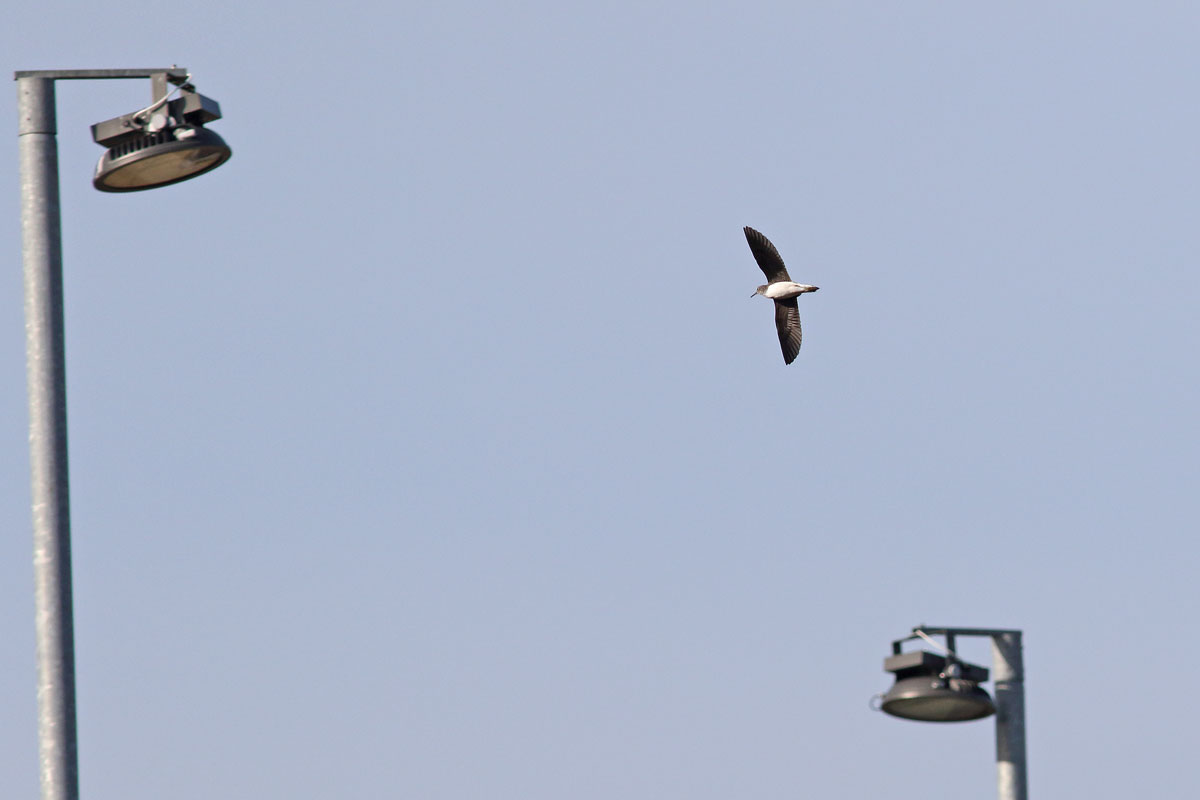
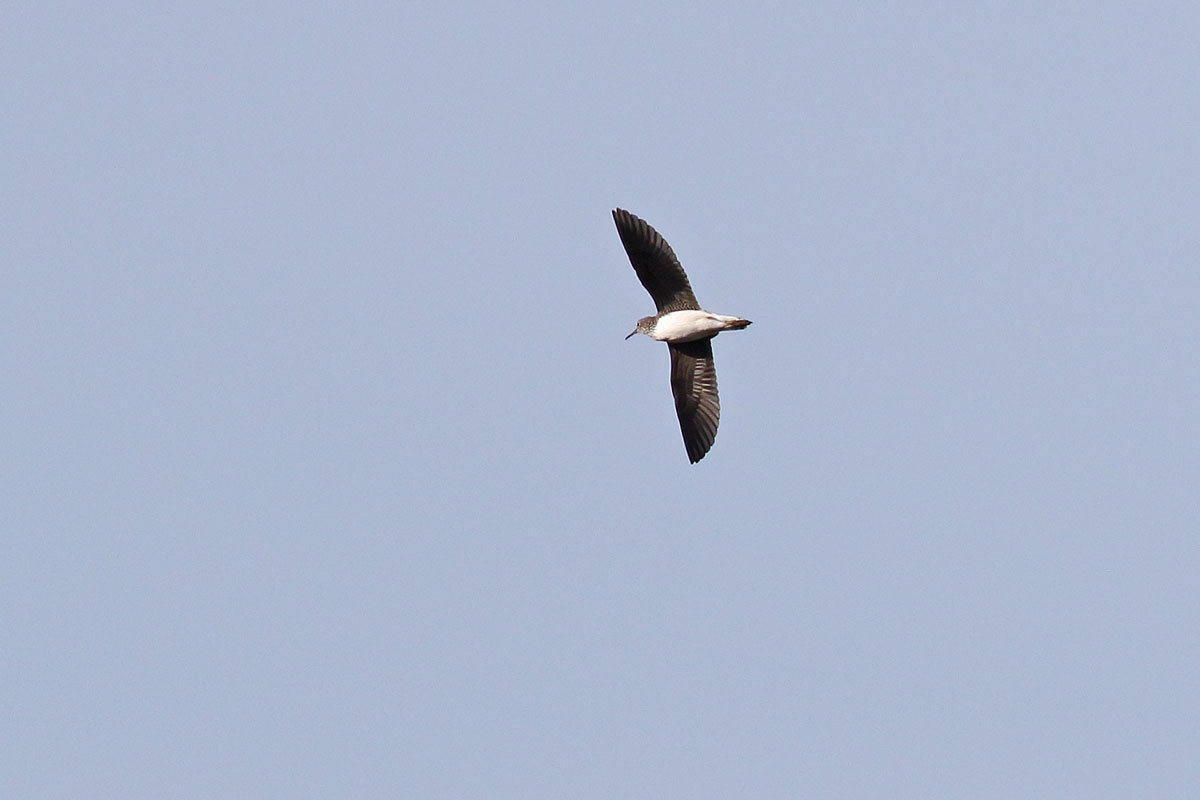
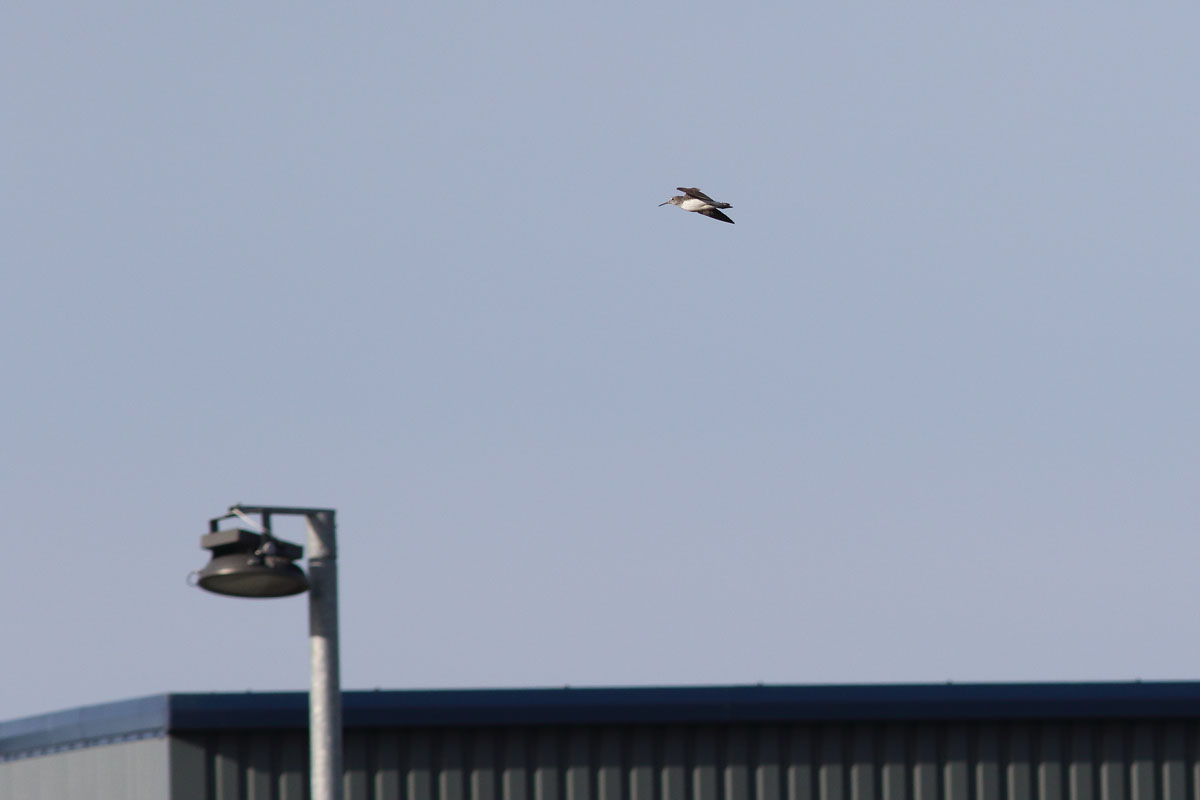
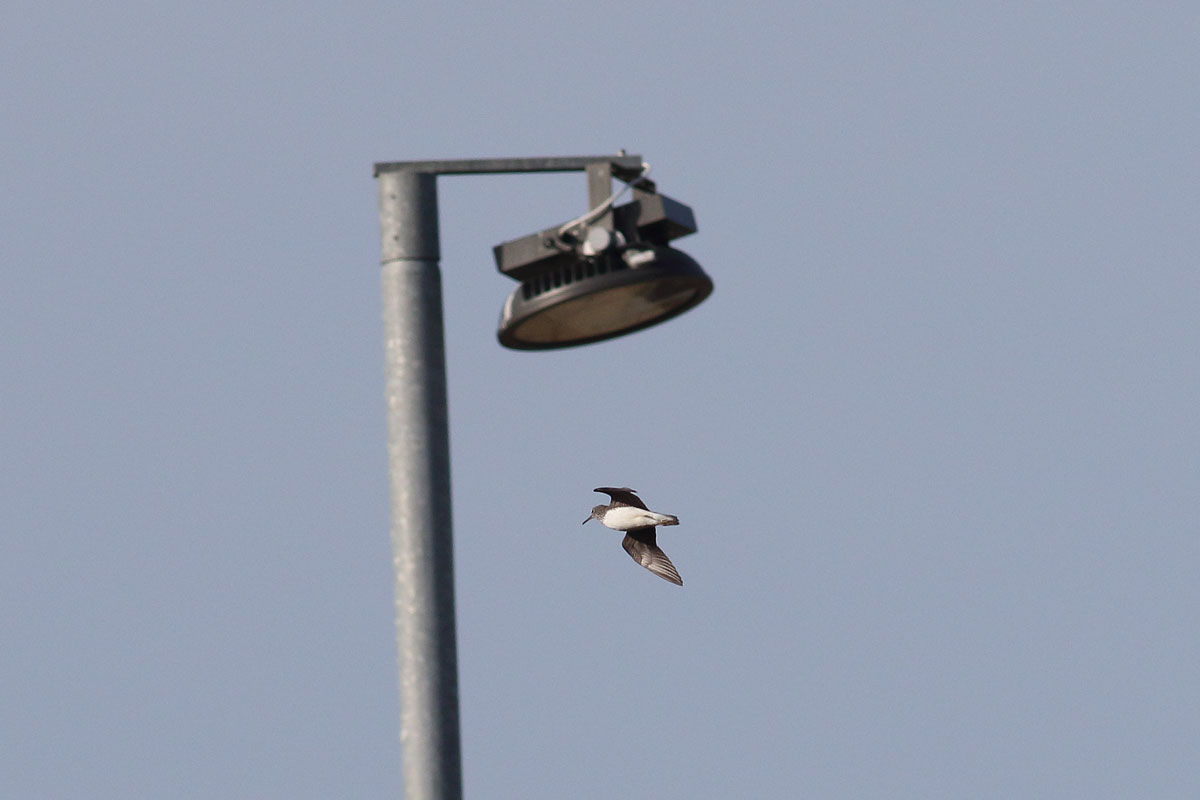
A circular walk along the new local railway and back into the industrial estate by the wooded Cawledge Burn turned up common woodland species with 15+ Chiffchaffs, 5 Great spotted Woodpeckers, 4 Redwing, 2+ Sparrowhawks and best of all, on a small drainage settling pond on the estate, a Green Sandpiper. A nice little find on the edge of suburbia. 

Disclaimer. This post might be a bit pic heavy...


As you can imagine a Green Sandpiper on a tiny pond, it was never going to end well so after about 30 seconds off it went calling on the way.

After a short stop for supplies at Greggs, it was time to get a little bit more rural, well, 5 miles more...

In the bright sun some typical moorland wildlife was seen but none of the hoped for Ring Ouzels or Wheatears yet...
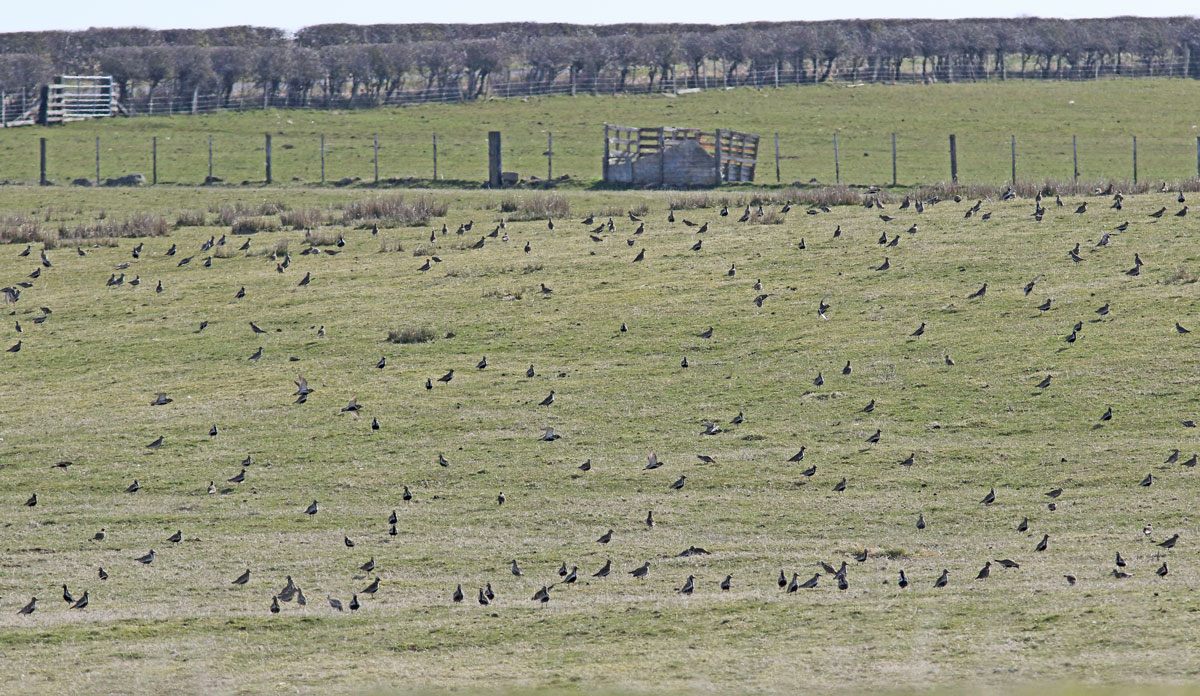
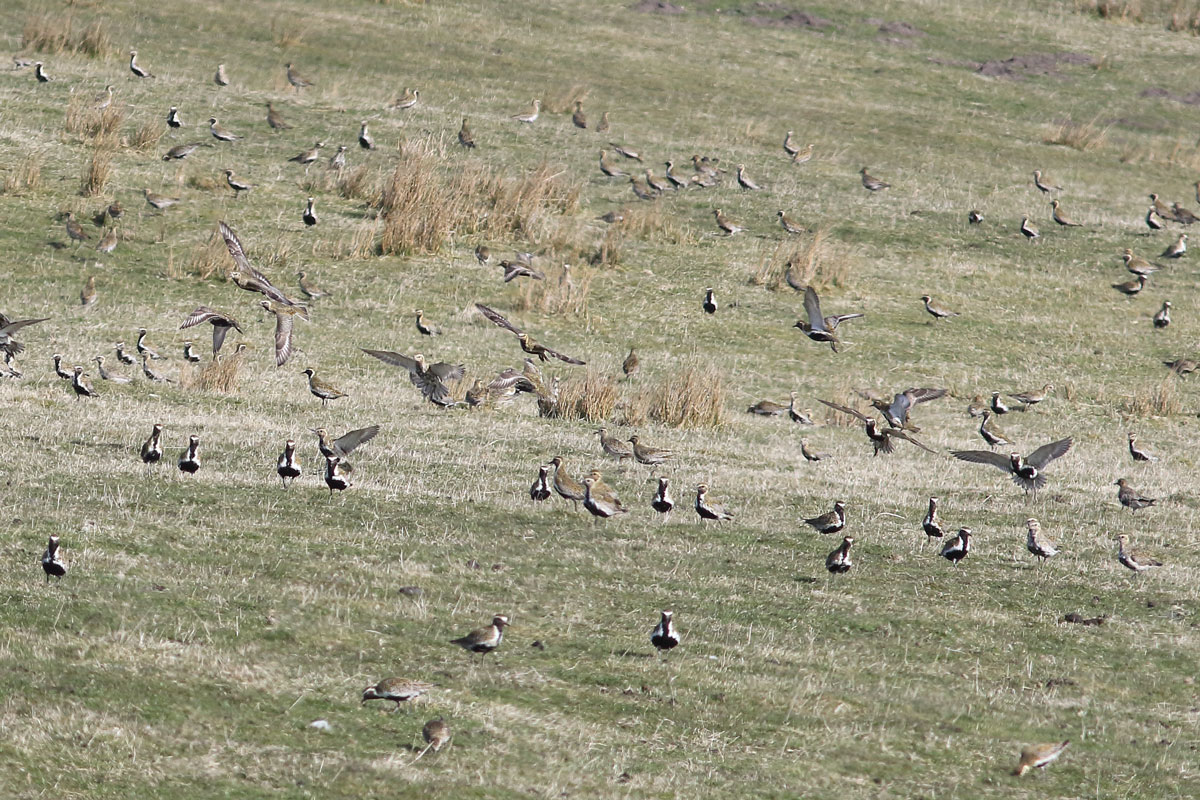
A massive flock of Northern Golden Plovers looked great in this light. 

On last years Ring Ouzel field there was scarcely room for one as it was packed with Northern Golden Plovers. At least 700, possibly up to 900 birds present running everywhere and flying short distances making an accurate count impossible. We couldnt find a Dotterel...

Nearby a small Adder, 5+ displaying Redpolls, 1 Stonechat and more Chiffchaffs went into the book.

After a good stretch of legs with not much more to add, we came across a nice pair of Red Grouse.

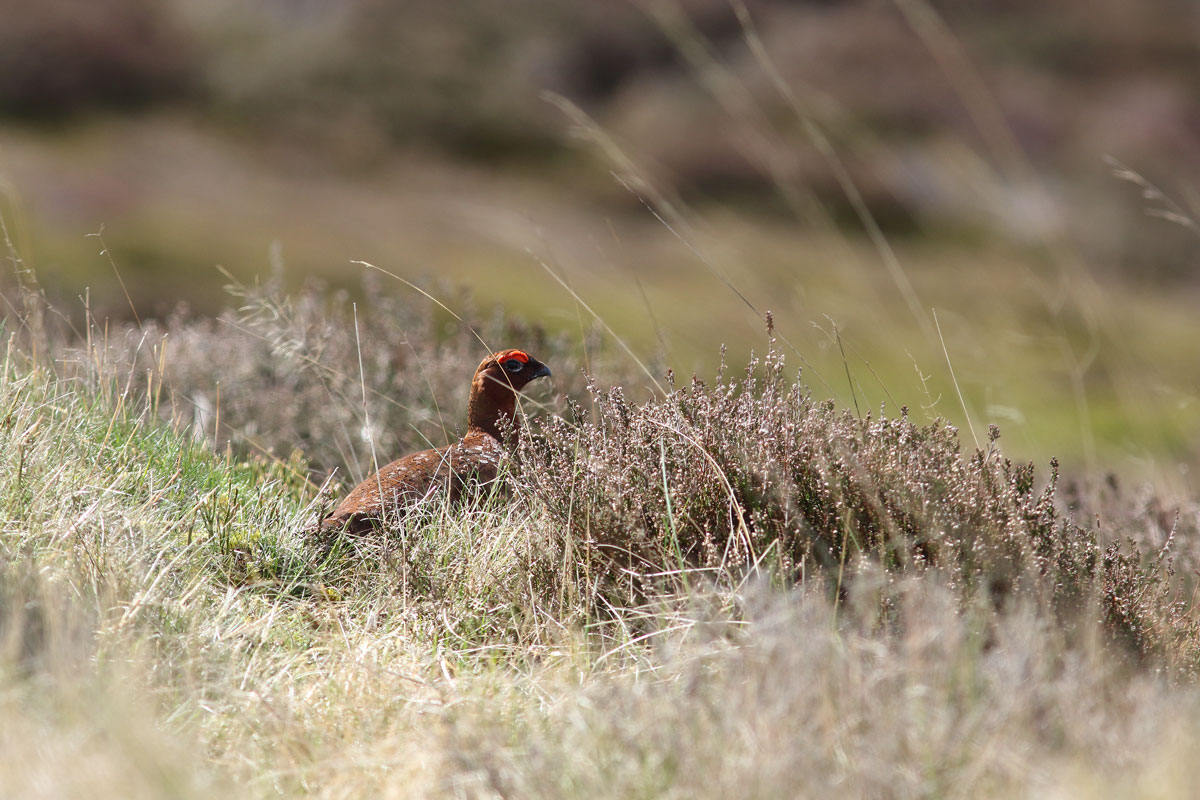

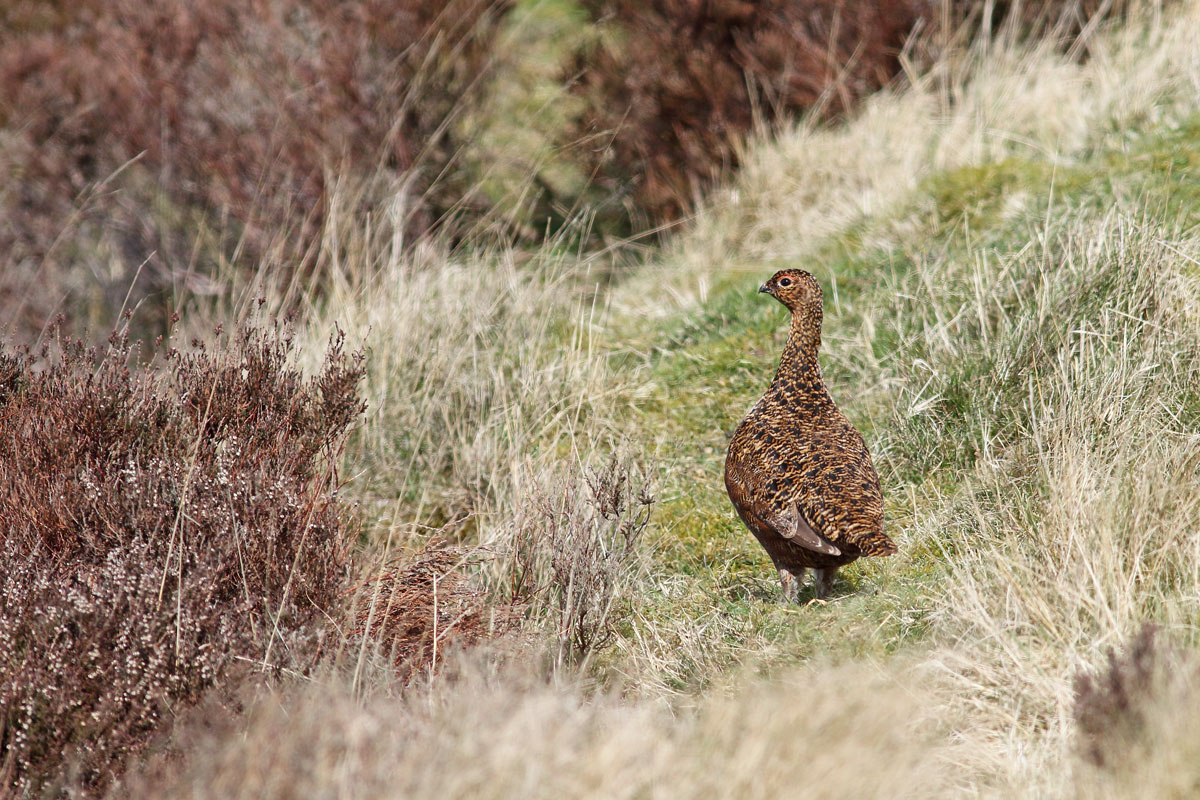
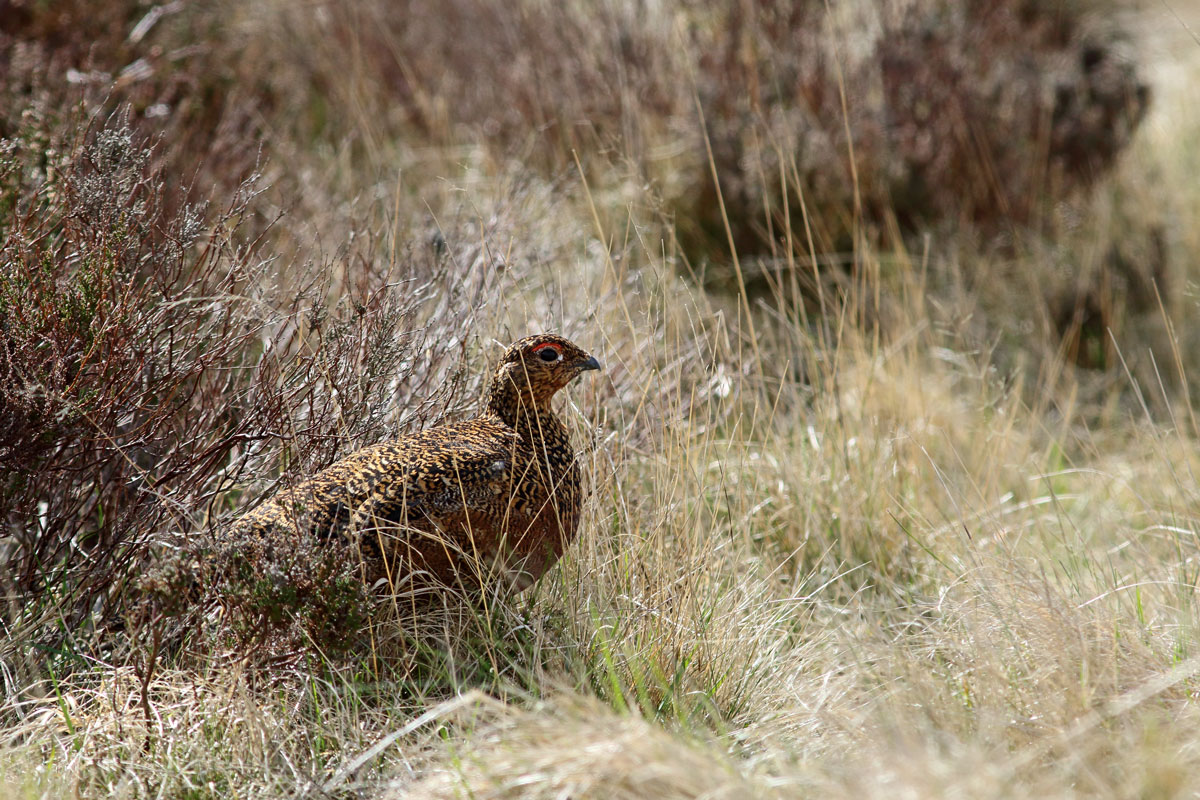
Him n her Red Grouse. Not much compensation for acres of burnt moorland.

 Shortly after the grouse we rounded a corner to briefly meet the day's second highlight. On the wires, an adult male Merlin sat with an entourage of mipits and linnets keeping an eye on him, even providing outriders to escort him away from their territories as he flew off.

So, few migrants and no rares but we still enjoyed a very pleasing morning out . 
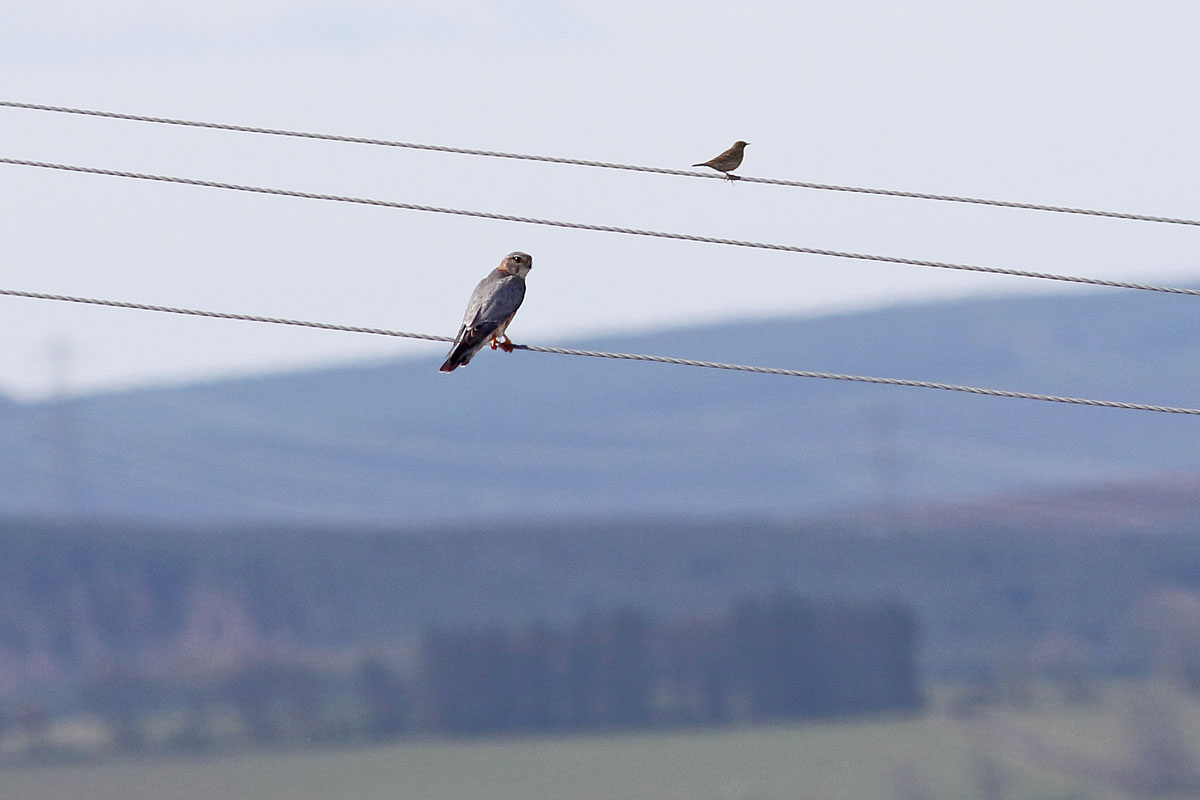


Male Merlin and his Mipit Mates. 


Monday, November 19, 2018

Training.

This weekend's update is only a Sunday show. On Saturday I went to Newcastle, to theGreat North Museum Hancock for the ERIC ( Environmental Records Information Centre) North East Wildlife Recording Conference. I took an early train from Alnmouth that got me into town at 08.30am. As the conference didnt start until 09.30am I just had a slow wander up, taking in Waterstones and Fenwicks Window on route. The talks at the conference varied from Elvers in the Tees to Durham Botany Group via Pan Listing and Pine Martens in Northumberland.

The gig was full with maybe 80 guests, and I only knew a couple of them. Makes me wonder where all the people do their wildlife watching?

As John wasn't out on Sunday, I was up and out shortly after first light and continued training for the 2019 Banstead / Howick Patch Challenge. I started off with a very slow seawatch at Cullernose, where I had time to ponder things to do on patch to keep the interest going. I think I might do a BBS style transect count each month next year? Maybe?

The seawatch was only half an hour from 7.30am on a nice cool, calm morning. The only birds of note were 1 ad Peregrine coming in from its breakfast hunt off shore carrying small prey, possibly a wader, 3 Red throated Divers flew N and 1 S, 23 Eiders N and 1 Purple Sandpiper was on the rocks.

A measly 9 Golden Plovers sat out the tide before flying south.


 From here I had a short walk north along the rocky foreshore hoping for a Desert Wheatear, but saw....nothing.

Next stop was Craster where the wooded and scrubby Heughs were worth a last ditch try for migrants. There were only 43 Blackbirds, 3 Redwing, 4 Goldcrest and 1 Redpoll S. Amongst the locals were 3 Willow Tits, 1 Treecreeper and a male Bullfinch.

Tchay chay chay....
Back in our village a Fieldfare was on the edge of our garden, while earlier a Brambling called over head in the dark with 4 Blackbirds.

A walk with Peggy around the back field and down to the pond had 71 Pink footed Geese S, 5 Fieldfare, 2 Redwing, an amazing count for here of 200 Jackdaws with 150 Rooks, 5+ Yellowhammer, 1 Brambling, 1 Stock Dove, 1 Treecreeper, 2+ Bullfinch, 25+ Goldfinch, 17+ Siskin, 1 Grey Wagtail and 1 Heron. The wildfowl on the pond didnt put up much competition for Fenham Flats with only 8 Teal, 3 Mallard, 2 female Tufted Duck, 1 Little Grebe, 6 Moorhen and 2 Mute Swan. Still, its a change of habitat and my only bit of standing freshwater for any ducks so I'll be happy to monitor them.

Overall the patch had a quiet wintry feel to the day. Some leaves still on the trees with wonderful vivid colours and the pond looking mirror calm and oily black. The usually wet wood remains dry an expected product of this year ... 

Sunday, November 02, 2014

Craster

Craster from the south
This morning we took a walk north from our house up to Craster along the coast path. I was looking for a Snow Bunting or Black Redstart but both remained unseen.

Still it was pleasant walk, checking the shore, the harbour, the Heughs and the Arnold Reserve. The area was quiet generally and migrant free. While in the village we were buzzed by a drone that may have been operated by CIA but I'm sure they have better targets to spy on. 

Aliens
28 Golden Plover, 16 Turnstone, 1 Purple Sandpiper and a few Redshanks were along the rocky shore. A few Blackbirds, Redwings and Goldcrests were in cover, while both Harbour Porpoise and Grey Seal were offshore.


Golden Plover
Redshank
High flying Long tailed Tits.

On the way back, a party of 11 Long tailed Tits looked a bit odd, high flying north across the coastal strip and for the second night running a new species of macro moth for me was in the trap. A Streak. A scarce species up here probably blown into the garden from further inland after tonights gales. 

The Streak.
Persistent Waxcap Hygrocybe acutoconica or persistens, thanks to Nigel for the id.
We also found a single large waxcap fungi growing by the path. Nothing in my book was like it but on line I noticed a similarity to Persistent Waxcap, but I find fungi so difficult. I was pleased when Nigel ( Abbey Meadows) confirmed this for me. Its name comes from the way it keeps its conical cap shape rather than it flattening out like some waxcap species.