Showing posts with label Fungi. Show all posts

Wednesday, February 18, 2026

Getting lighter...

 Apart from a couple of fine days the weather remains pretty much dreadful across the board. At least the days are beginning to lengthen noticeably now, which is good.

For what is generally accepted to be one of the slowest months for birding, February is not turning out too bad considering.

The White Blackbird hung around into the 1st but despite looking daily I've not seen him thereafter. Pity, I hoped he would become a feature of the village.

What must be the highlight of the month came on the 7th when news emerged of an totally unprecedented flock of up to 40 Common Cranes in a field by the A1 at Denwick! At first we were all sceptical of such a number, but it turned out to be true, well, almost with up to 38 birds counted. I didn't arrive on site despite it only being 3 miles from home until nearing dusk at 4.30pm but sure enough 29 Cranes were in view striding in a line across a rushy field. All appeared to be adults and some observers even noted some tentative displaying between them. In my life I dont think the Cranes I've seen previously totaled 29 birds.

I did an Alnwick Wildlife Group guided walk before the Cranes news arrived also on the 7th around the local Arboretum and coast. 12 souls dared the weather and were gifted with a dry window for once. 46 typical mainly woodland species of birds were recorded plus some oddities such as Oak Moss Evernia prunastri , Harts Tongue Thyme Moss Plagiomnium undulatum , Frizzled Pincushion Plenogemma pyllantha Crystal Brain Fungus Exidia nucleata, Hairy Curtain Crust Stereum hirsutum, Velvet Shank Flammulina velutipes, Lumpy Bracket Trametes gibbosa and Turkey Tail trametes versicolor

Guided Walk

Frizzled Pincushion Plenogemma pyllantha

Lumpy Bracket Trametes gibbosa 

Unusually for us we had a trip down to the Druridge Bay Flesh Pot where we caught up with a couple of good birds but missed out on the White tailed Eagle that has been around for a few days. We did get 16 Pochard singing Cetti's Warbler at DBCP, a nice Red necked Grebe showing nicely at East Chevington with more Cettis' and 23+ Goldeneye and 2 Otters, a redhead Smew at Widdrington Moor lake with 5 Mediterranean Gulls and finally back at Alnmouth we were over flown closely by 12 Russian Whitefronted Geese.


 Red necked Grebe, East Chevington.

Yesterday I finally caught up with the Tundra Bean Goose influx with 4 nice birds showing at Gloster Hill Amble on my way to work. Pad these out with multiple Barn Owls, Ravens, Woodcock and a Little Gull its not been a bad couple of weeks.
A poor phonescoped shot with 4 Beans, 1 RWF and a Greylag.


Monday, November 04, 2024

October catch up

 Dear readers, if you are still out there, apologies for the neglect of this space.

Its not that I haven't been out, I have, its not that I've not seen anything, because it has been ok, but for blogging purposes, there has been a minor change. Lately I've not been camera motivated. Its a big lump to lug around, so I went back to basics with bins, scope and notebook, like those good old days we birders of a certain age tend to hark back to. And you know what? Its been great. Without the camera I think I might have even seen more birds due to the freedom to observe and concentrate more.

So, here is an update of the October highlights on my local patches . The few illustrations are phone related...

9th October, midweek, we had a bit of a storm. A strong N6 was whipping up a hoolie all day with some rain. I ventured out for half an hours seawatch. It was only half an hour as it was too blustery to sit and look through the scope. All I managed were 6 Sooty Shearwaters N and a Red throated Diver south before retreating back to cover.

10th October, the night of the Aurora. A truly unbelievable naked eye show of epic celestial proportions. If you missed it, I am gutted for you as this might be a once in a lifetime even for us Englanders.


The aurora above our house and top at the village lane end...

13th October, John  and myself put the morning in at Boulmer. There was plenty to go into the notebook...

Pinkfeet 1245 S, Barnacle Geese 28 S 2 N, Little Egret 1, Swallow 3, Merlin 1 chasing a pipit over the shore, Peregrine 2, 1ad, 1 juv together on Longhoughton Steel, Little Gull 80+ off Longhoughton Steel, a great count for here, Red throated Diver 6 S, Great Northern Diver 1 N, Long tailed Skua 2 juv N, Bonxie 1 N, Whooper Swan 1 S and a Siberian Lesser Whitethroat feeding in some garden weeds along the coast path. A smart bird.

14th October, Apart from the 13 Grey Partridges at home, sighting of the day was, again, astronomical. The Comet Tsuchinshan - Atlas A3 was showing well on its 80,000 year orbit of Earth.

16th October, thinking I had missed out on a striped sprite on patch this year as I was away during peak influx, I was over the moon to come across a non calling Yellow Browed Warbler along our village lane while out with Peggy at lunchtime. Good views as it flitted around a roadside sycamore with a Chiffchaff and a Goldcrest.

19th October, the calm before the Storm ( Ashley). Some viz mig had Wooper Swan 6 S, Swallow 1 S, Brambling 1 W, Pinkfeet 350 S, Golen Plover 100 S, Meadow Pipit 9 S, Redpoll 6 S, Siskin 12 S, Redwing 2 S. Elsewhere around the village had a single flock of 36 Mistle Thrushes! No doubt these would have been Fieldfares on a fleeting glimpse. 5 Gadwall were on the pond.

26th October another dog walk had a few birds on patch with 23 Whoopers S, 155 Pinkfeet S, 2 Twite S, always a good record here. Redwing 45 flew into the wood next to our garden. 

27th October, I spent a couple of hours doing an ebird list around Cullernose Point with surprising results for a rocky over grazed, freshwater barren, field! To record 57 species was way better than expected. See below - 


Snow Bunting, one of a pair at Cullernose Point.

29th October, I should have had a kick up the backside. Spend a fortune on new bins and didnt I take the dog out without them. You just know what comes next...

At the top of our village in a small isolated hawthorn, a small bird was flycatching. I circled the bush to get better light and approached  closer, then I kid you not, I put my reading glasses on to see if I could get a better look! The bird was a small short tailed phyllosc, active around the bush. There was no call and all of a sudden it flew off over the gardens into the wood beside the village never to be seen again. Now, this bird was almost certainly another Yellow browed, but I could not eliminate Pallas's either! An hour with the bins looking at the wood turned up nothing. Needless to say Ive not left the house binocular naked since!

30th October, 60 Whooper Swans S over the garden plus 29 Pinkfeet. The mild spell brough a few Red Admirals, Speckled Woods and  alone Comma into the garden.

 Halloween. A short trip out looking for fungi in Alnwick Cemetery. Here we had 2 Ballerina Waxcaps, Plums and Custard, Trooping Funnell, Wrinkled Club, Parasol and Red cracking Bolete. A second stop at Swarland wood had Yellow Stainer and new one for me, Wood Blewit, Liberty Cap, Amethyst Deciever and Grisette.

November has started quite well too but more of that later... 


Ballerina Waxcap and Alnwick Cemetery


Monday, September 16, 2024

The Woods for a change.

 Sunday's forecast looks calm and dry so with little prospect of any coastal migration we headed a few miles inland for a walk. The target was for a few late inverts and maybe some fungi and birds too. 


It was in a pleasantly quiet September light when we headed into the woodland track. As our route was going to be a circular I thought it might be a good time to have a go with the eBird App to record what we saw. It nearly went well too if there had been a full signal all the way around to map our walk. Instead it said we had done 0.08 miles. Actually we did about 3 or 4 miles. recording 35 species on route. The highlights being 19 Chiffchaffs, 3 Ravens,  2 Nuthatch, 8 Crossbill and 29 Siskins.

Of the few invertebrates encountered a nice Four spotted Orb Weaver located by John, was the day's best. This spider is quite common I believe further south but up here it is an upland species only...


Four spotted Orb Weaver

After tea back at the van we took another route out onto some old grassland to look for fungi. I wished we had more time as it was quite good and the sun came out. A short stroll had Blackening, Parrot, Meadow, Golden, Heath and Fibrous Waxcaps, St Georges Mushroom, Puffball, Fly Agaric and Woolly Milkcap.

Parrot Waxcap


Fibrous Waxcap

Meadow Waxcap


Possible Butter Waxcap will be more prepared next time.

Golden Waxcap

Likely Splendid Waxcap


Fly Agaric

Woolly Milkcap

Tawny Grisette

On  fine autumn day I do like a fungi foray. Next time I'll have a fieldguide and take more detailed photos to assist with ID. The Woolly Milkcap and Fibrous Waxcap were both new to me...


Monday, November 27, 2023

Wax - wings and caps

 Its not been a bad week for the naturalist around here, really. 

The weather has been variable, though quite moderate. 

Mid week a dog walk through the Village Wood had that soft cool, earthy, early winter smell to it.  In the diluted sunshine, a pile of oak logs left after Storm Arwen attracted attention. It was covered in a colourful array of small fungi, including one new to me, Purple Jellydisc as well as Hairy Curtain Crust, Sulphur Tuft and one that remains to be identified. It may need further scrutiny this week.

In that evening a couple of late Pipistrelles (?), well, bats, were still hawking under the street lights.

Log Pile

Hairy Curtain Crust

Purple Jellydisc

I think the fungi at the top may be Sulphur Tuft?

Keeping to a fungi theme, I was surprised when Debra Burley found some Pink Ballerina Waxcaps in Alnwick Cemetary. Ive looked in many good waxcap grasslands in North Northumberland without success so I gave it a twitch on my way to work.
After some directional confusion, there were 10 small stout pink Waxcaps around an area of gravestones...Excellent.

Pink Ballerina Waxcaps


 By Friday, the wind had swung to the North and then some, On Google Earth the northerly could be followed right up to the North Pole. The 'socials' were filed with commentary about masses of Little Auks, it could be the best showing for years, White Winged Gulls, Brunnichs etc. I jested that we might even get a Spectacled Eider off it, such was its reach, but, I sort of knew that we had been here before. Many times.
 On my blog in Nov 2021, before Storm Arwen, I posted a very similar weather map and pondered just the same. Whilst the record breaking gales blew an unprecedented number of Brunnichs Guillemots southward, the rest was pretty much standard. This time, I was more tempered and considered that most Little Auks would be further west by now so although a good northerly will always give us a few birds, the chances of a classic were slim.

Early Saturday morning found me traipsing along to my nearest seawatching spot for a couple of hours. Yes, there wasn't a great deal moving, but there was just enough to fill the time. From 8am - 10am I had

Great Northern Diver 5 N
Diver sp 1 N
Red throated Diver 7
Goldeneye 2m 1f N and 1f S
Teal 2 S
Common Scoter 16
Purple Sandpiper 2
Eider 7 S
Great crested Grebe 1 S the rarest bird of the day.
Fulmar 6 N
Gannet 7 N
Litttle Auk 1 N at last, and new for the year. Dan and Mark watching from 300 mtrs south of me managed 74 Little Auks. They must have been too distant for my eyes is I'll I can suggest. 
Brent Geese 2 N
Pink footed Geese 500 S

This brings us to Sunday morning.

JWR came to pick me up to do a recce for next weeks Alnwick Wildlife Group guided walk from Embleton to Low Newton along the coast. Before we left, I had a quick task to collect some greenery for Jane's Christmas wreath making session. While getting some bits of Ivy at the Lane End, the distinctive trembling calls of Waxwings filled the air. Soon we located 26 of them perched on top of a tall Ash tree opposite a large ornamental pink Rowan tree. This tee is still laden with pinkish white berries that are always last to go, usually eaten by Bullfinches and Mistle Thrushes. As we watched down they came periodically, like locusts, to systematically clear the tree. The resident Mistler was having none of it and did his best to keep the viking raid at bay but he was fighting a losing battle. 

All of a sudden a Sparrowhawk dashed through panicking everything and the Waxwings headed off south to safety.

The start of our walk, Dunstan Steads / Embleton Golf Course with Dunstanburgh Castle in the distance.

Long tailed Duck. I wont even try to age or sex it.


We moved on to Embleton where the car was left at Dunstan Steads. This is only about 5 miles from home so still pretty local.
Our walk was quite pleasant witha few bits and pieces to make it worthwhile. 
7 Purple Sandpipers, on the shore and 19 Greenfinches looked fabulous feeding along the strand line,. At Newton Scrapes, 13 Whooper Swans, plenty of usual wildfowl and a nice Long tailed Duck showed well as Water Rails screamed in the background.

We got back home at 12, so I took Peggy for a walk to see if the Waxwings had returned. I was pleased now to find the numbers had gone up to 40+. I couldn't get an accurate number as they flew off during my best count but I know there were somewhere between 43 - 45 birds.

So, another grand early winters day out. I wonder when our roll will end?


Waxwings. The shot above has 31 of the 40 odd birds in it.


Thursday, November 17, 2022

The End.

 Of Autumn that is.

We used to begin our county Winter Atlas surveys after 13th November so I always think of that date as the end of autumn. Still, depending upon the weather, some tardy birds are still migrating up until the end of the month.

The Pied Wheatear from my previous post remained faithful to its graffiti daubed skate park right up until Saturday 12th November, allowing even the most reticent of twitchers time to catch up with it if they so wished.

On my patch things have been a bit quiet recently though a female Merlin across our village, well lit from early morning sunshine on the 6th was good and even better was the Snow Bunting on the 14th that danced low over our garden, calling its lovely tinkling tune all the way. This is my 3rd ( I think) garden record. 25 Whooper Swans flew S on 5th while 16 Redpolls were in Village Wood the previous day. Ive seen them in flight a few times and suspect a couple of Mealies in there but cant clinch it.

Other bits of interest around home were a Water Rail sadly killed on the road overnight, having just arrived on its wintering grounds and some big fungi on the cricket pitch, known descriptively as Macro Mushroom Agaricus urinascens. Apparently this is a widespread, but scarce fungi so I was pleased to meet with its oval, tiger bread, form while out walking Peggy.


Macro Mushrooms

On the invertebrate front, the moth trap has been moth balled until the New Year. With the rising cost of electricity units per moth well up, its not worth putting it on for 13 hours for 2 Angle Shades... The last Butterflies for me were a Small Tortoiseshell on 3rd and a Peacock on the 6th.


I've been on holiday this week, using up annual leave before Christmas. The time was to be spent putting the garden to bed for the winter. There has been mixed success here with fine Monday and Wednesday utilised but on other days its just been too wet and windy.

When the weather is stormy from the East we all know what that means to an East coast patch watcher - Seawatching.

Today has been really grim. Raining most of the day, barely daylight  and blowing a strong Easterly.

Although an East wind can be good, I prefer a Northerly for seawatching. My home spots are just too exposed in this weather, so I headed to Boulmer and the safety of the relatively sheltered Seaton Point, where strategically placed caravans make it just about bearable.

From 09.30am - 11am the count went  - 

Kittiwake 1300 N ( a gross under estimate with maybe double that in reality).
Sooty Shearwater 3 late birds taking the 'breeze' in their stride.
Little Auk 24 N
Pomarine Skua 3 N
Arctic Skua 2 N ( these 5 skuas were in one flock)
Skua sp probably a Long tail but it was too fast and hiding in wave troughs)
Brent Geese 2 N
Long tailed Duck 3 drakes N.
Gannets not counted but a light movement.
Fulmar 2N

Hopefully there will be more moving in the morning, I'll give it a couple of hours first thing.

Apologies for the images, I only had my 300mm lens. The pics look black and white but they are in full colour, honest!

Kittiwakes.

Three Little Auks of the 24 seen.

Squint or click and zoom, these are Long tailed Drakes...

Arctic Skua first, then 3 Pomarines, and another Arctic at the tail end. Compare the sizes of the Arctic and Pom at the front.

Three Pomarine Skuas.


Wednesday, March 30, 2022

False Spring.

 After a week of false spring, normal Northumberland spring has arrived. Its 4 degrees with a northerly wind and hail. This should be around until June give or take an odd glitch away. 

Still during the better weather although bird migrants remained elusive on the patch, a few moths, bees and plants sparked some interest.

Not being a plantsman, even common species can be lifers, so I was pleased with this Hairy Violet in the dunes south of Amble last week. It is very like Sweet Violet so I had to go back on Sunday for some confirmation pics after I knew what to look for.


Hairy Violet Viola hirsuta 


Those green things holding the flower are sepals. They are rounded making it either Sweet or Hairy. ( How many hits will that get me!) At the top of those are the sepal appendages (flaps, another hit counter gem). They are folded up to the stem not pointing away making this a Hairy Violet. It also had very hairy leaf stems. 

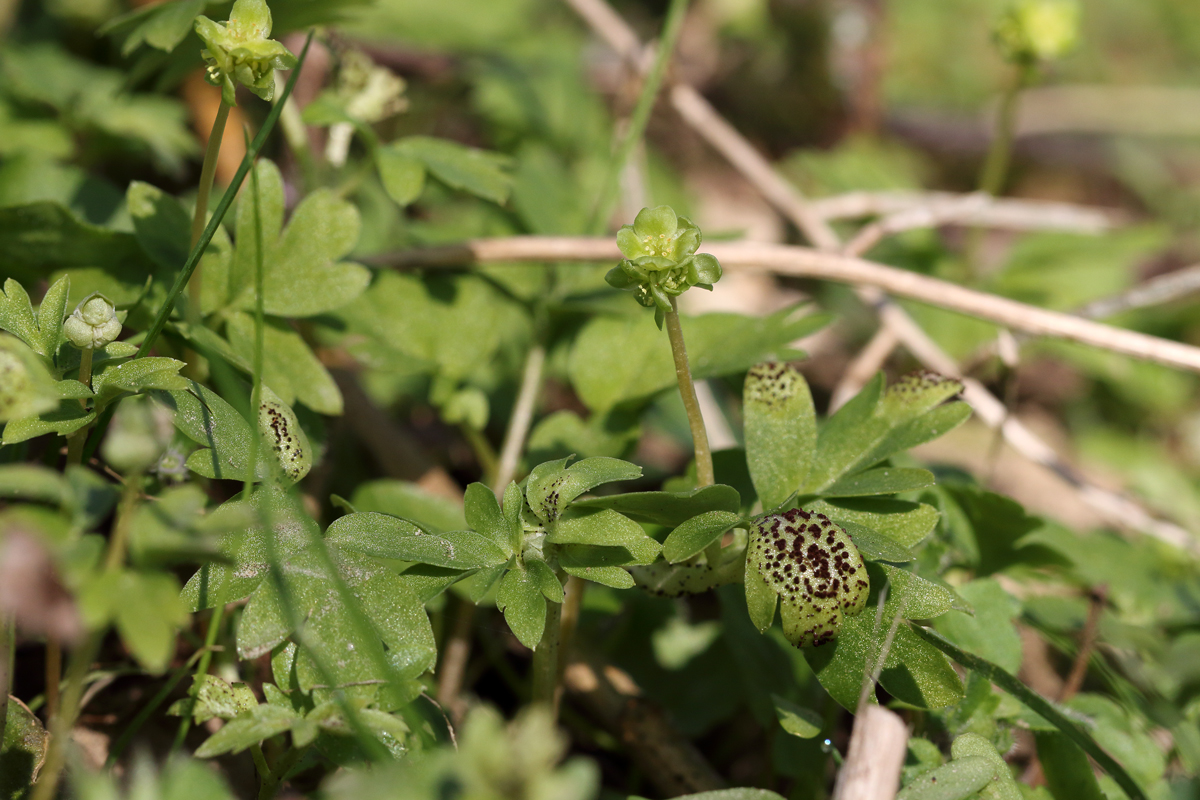
Another lifer, this time a likely first for Northumberland, was even more bizarre. On Sunday, I was photographing some small Moschatel plants on the alluvial deposits on the banks of the River Aln near Greenrigg when I noticed that one or two leaves had a distinctly mangy look to them. They were covered in spore like brown specks. I took photos of this feature and wondered if it was a smut or a rust of some kind, a small fungi related organism. Sure enough it is the parasitic host specific Moschatel Rust Puccinia adoxae. Probably no wonder it hasn't been recorded here before....who would!

Moschatel showing Moschatel Rust Puccinia adoxae on the leaves. 

Meanwhile, the moth traps have been reasonable. The Robinson in the garden has been out performed by the little bucket LED battery trap in the woods. Woods are best at this time of year while my garden is a bit exposed.


A bucket trap in the wood.

The catch.

Early Tooth Striped

Emmelina monodactyla

Shoulder Stripe 


On the plus side, the Bempton Black browed Albatross is back today. After last years dip, I hope it settles into a routine...