Showing posts with label Wader Scrape. Show all posts

Monday, May 01, 2023

Northumberland scores the big one!

 At a risk of slipping into full blown twitching vernacular, but, some birds deserve it!

This morning, Gary Woodburn was on patch counting an arrival of Hooded Crows. He had passed the Low Newton scrapes in one direction and was on his way back up on the return walk when he struck not only Patch Gold, but also County, UK and Western Palearctic Gold too with the most preposterous of  MEGAs. Britain's first GREY-HEADED LAPWING non the less.
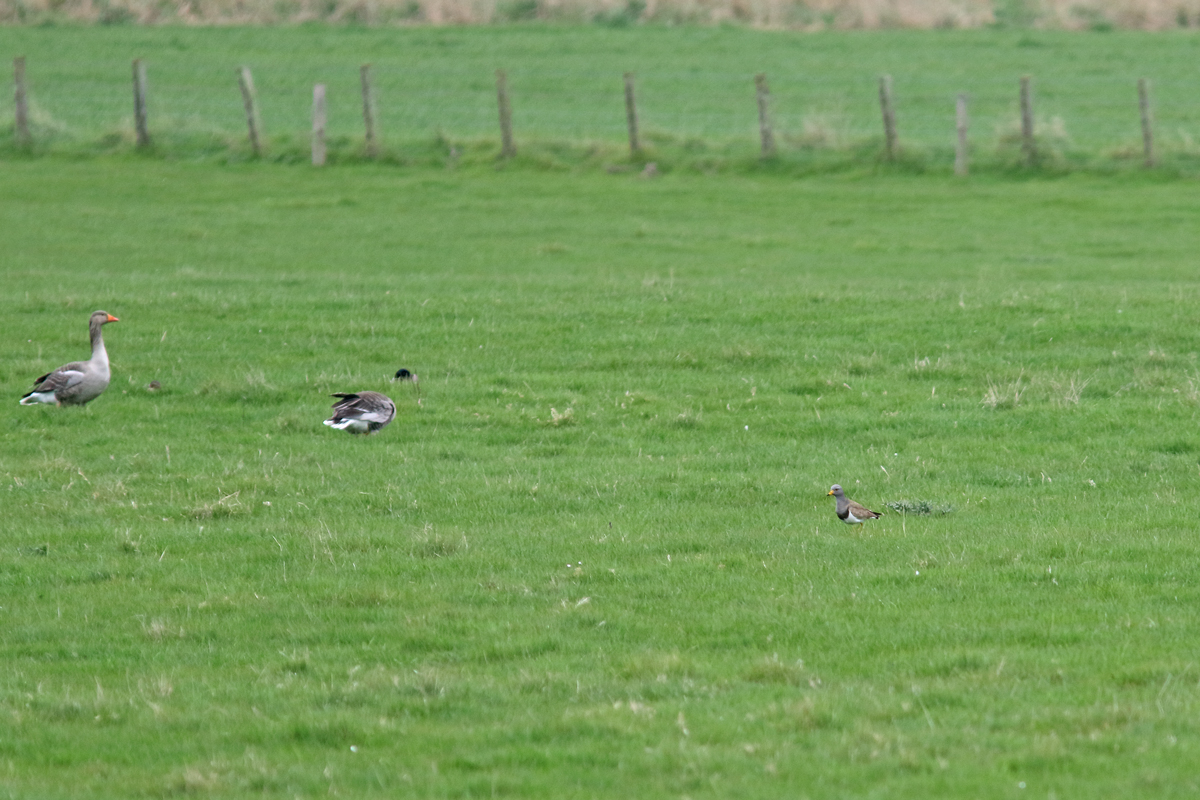
Grey-headed Lapwing, Low Newton, Northumberland.

When the first message arrived in our WhatsApp group, time seemed to pause briefly. I could almost hear the rest of the Northumberland WhatsApp Group members thinking, 'A what?' 

This is not a species we have ever seen on the bird info services or in our magazines, so whilst I had heard of them, I had no idea of the range or likelihood of vagrancy so did a quick bit of Googling.

The oracle 'Wiki' gave me  - 

'The grey-headed lapwing (Vanellus cinereus) is a lapwing species which breeds in northeast China and Japan. The mainland population winters in northern Southeast Asia from northeastern India to Cambodia. The Japanese population winters, at least partially, in southern HonshÅ«.

This species has occurred as a vagrant in Russia, the PhilippinesIndonesiaNew South WalesAustralia and Sri Lanka.[1]'

Then, in a more European context, birds were seen in Turkey in 2018, Norway and Sweden in 2019 and it has been mooted a potential vagrant to the UK.

Dutch Birding magazine reported, when discussing the 2019 bird, that there were none or very few  birds in captivity to make escape potential an issue.

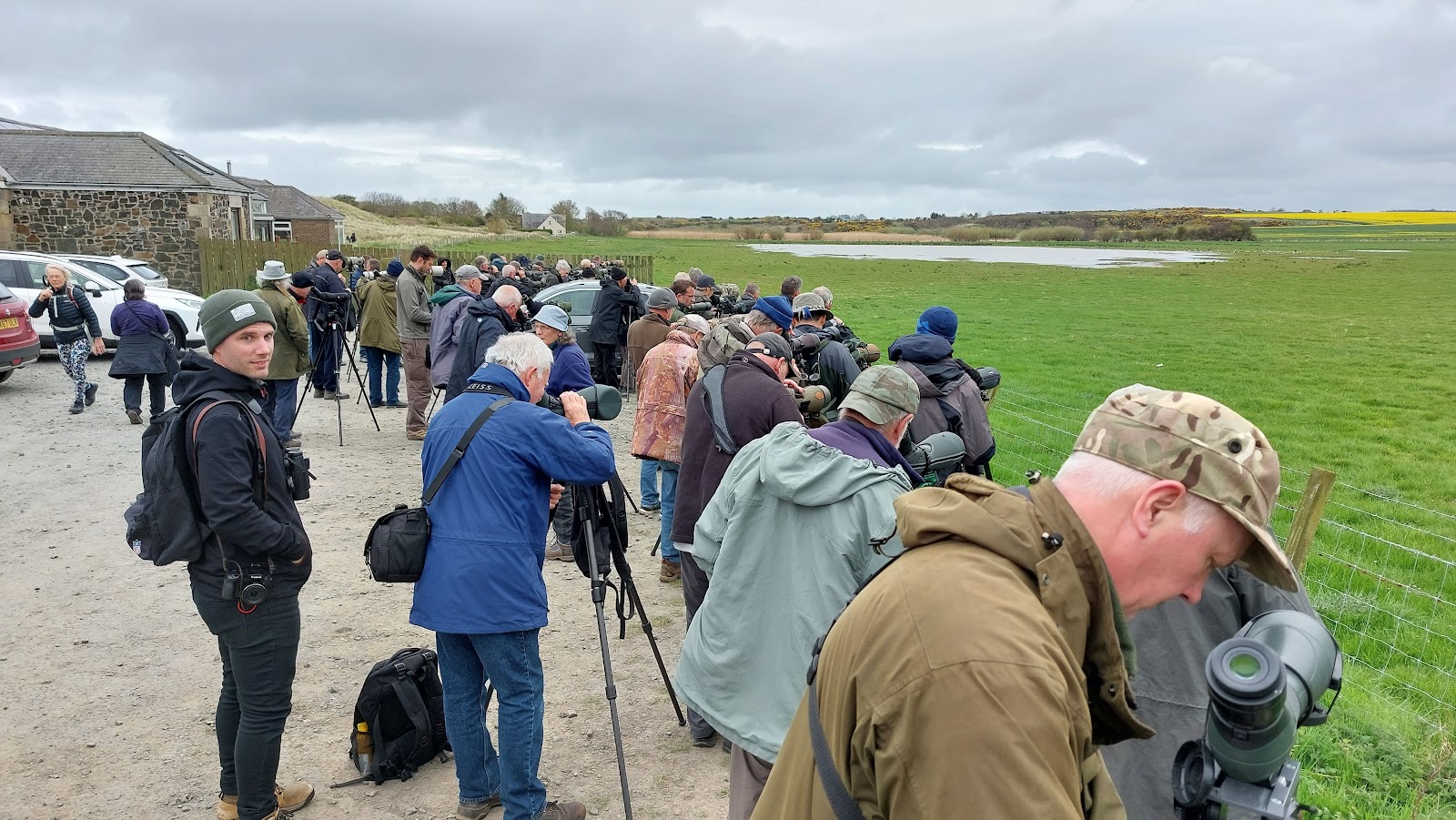
As is the way on Bank Holidays, there are always family commitments to fulfill so it wasn't until mid afternoon before I could dash the six miles from home where I was relieved to find the bird quite comfortable, feeding and wandering around the meadow as if it had been born there. Good scope views were had but it was always a bit distant for my photography.
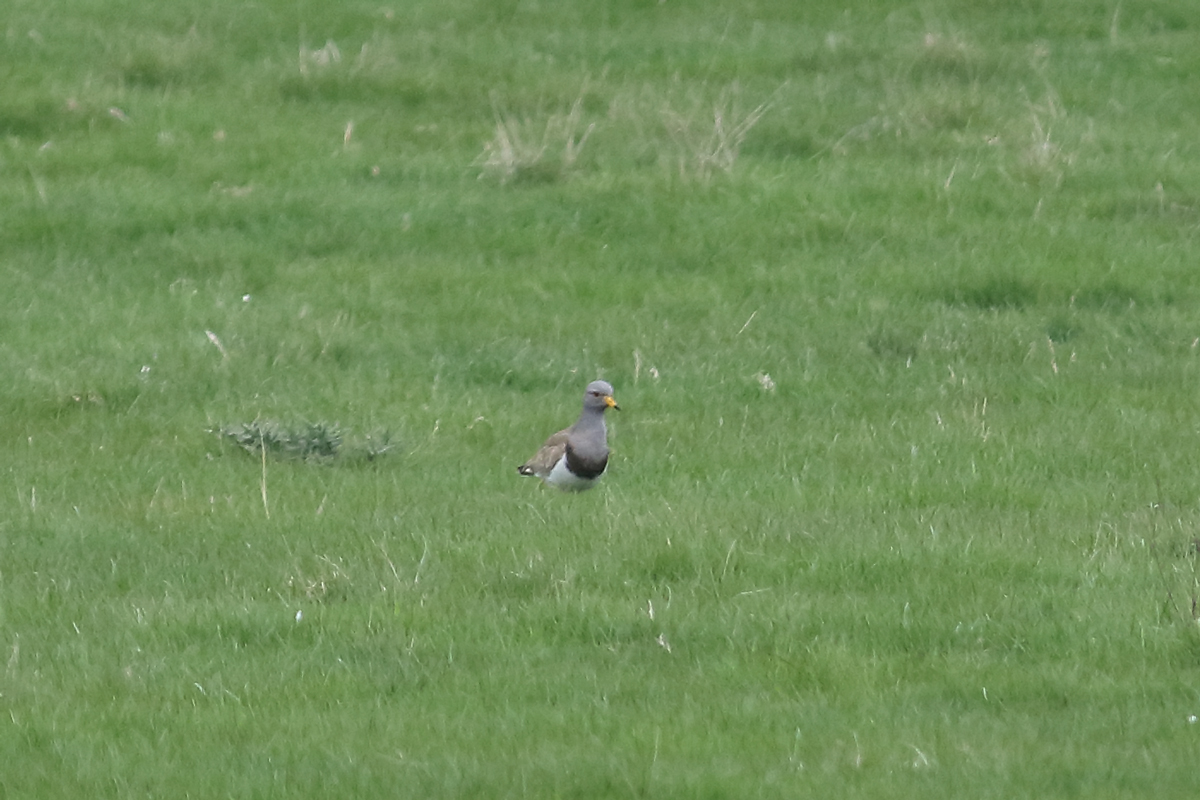
Grey headed Lapwing all the way from  the Orient arrives at Low Newton, Northumberland.

It appeared as if the whole of the UK birding community was descending on Low Newton and as time went on those from further ranges began to arrive. Somerset, Wales, Norfolk, Herts, Staffs, Scotland etc all converged in this small village for a view of this Eastern Peewit, hopefully a British 'First'.


I manged a few in the field scribbles to get some shapes and feeling down, so will colour them up and elaborate them soon. In the meantime, here's a little shaky video...


Friday, January 07, 2022

Garden Scrape

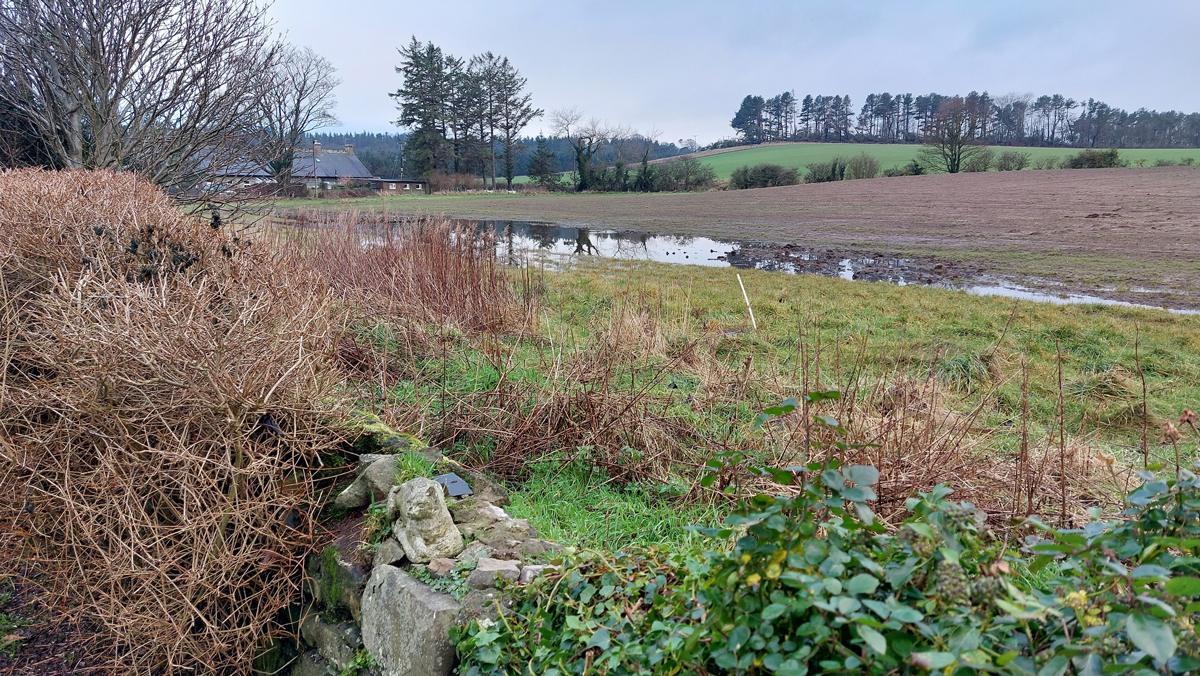
 That title is not strictly true. The mini flash-puddle now deemed the obs 'wader scrape' by me (what an imagination) is actually 30 mtrs over the garden wall in the back field, but it is very visible from the kitchen and bathroom windows and the drive. The new flooded area measures around 30 mtrs long and 10 mtrs wide. 

Remember the mega Dunlin before Christmas? Well, today another four wader species have used it. This is excellent because if it manages to retain water until say, late April, there might be a chance of migrants taking advantage. The problem is, it is so close to ours and our neighbour's houses that when anyone steps outside or delivers something that's the pond cleared but some of today's birds returned and are showing some tolerance. When the mornings get lighter it might pay to have a first thing glance each day before anyone has a chance to disturb it. 

I am thinking big*, with the likes of Wood and Green Sand, Little Ringed Plover or even (swoon) Temminck's Stint. Lynemouth flash has had 2 Citrine Wagtails and its not much different to this so who knows what could happen. This clarty plough is my oyster(catcher).

The obs Wader Scrape. 

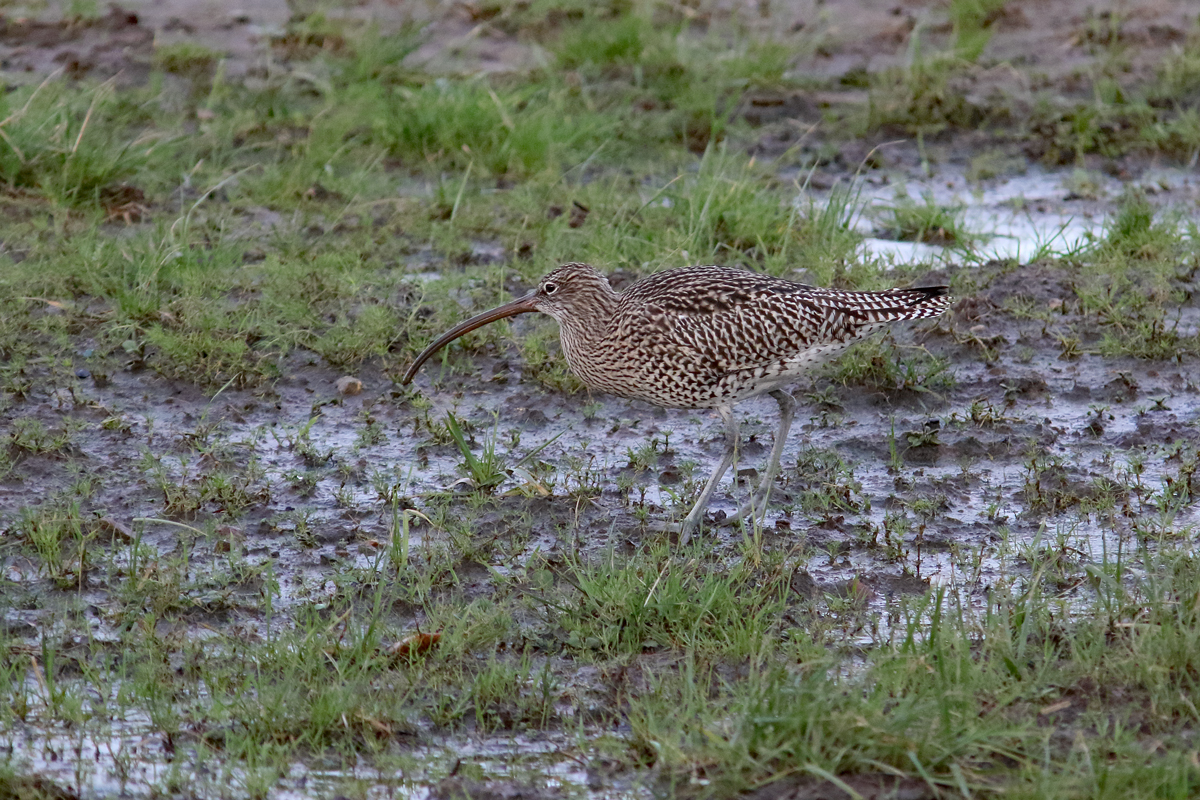
Curlew, one of five.

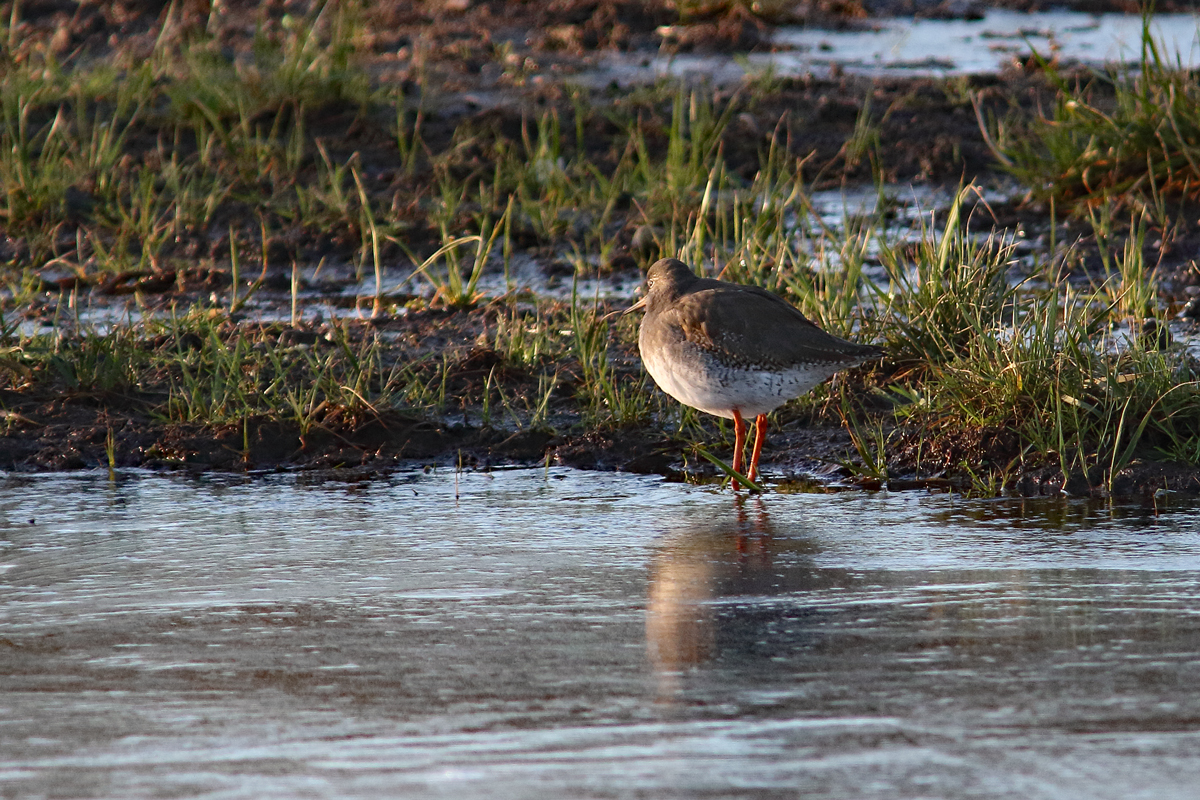
Redshank

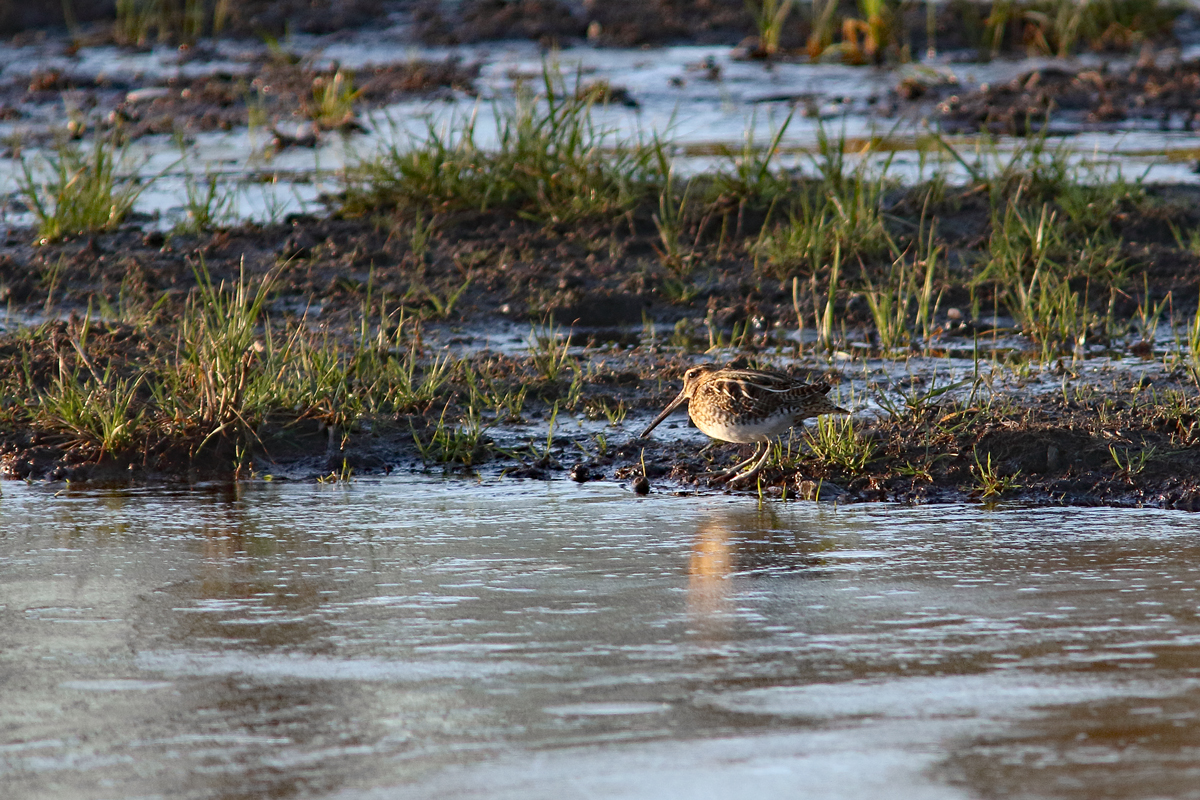
Snipe

Elsewhere around the doors, 6 Redwings were feeding in Rectory paddock usually a sign of poor weather inland, while 18 Teal and 2 Tufted Duck were on the main pond.

Its amazing how many common birds can be missed in a small area. I've had 60 species here so far this year but another 44 are possible and have been recorded in January in previous years with 29 of those being common or regular species here. Where are they all?

*by April this will be a damp patch covered in long grass, rush and oilseed rape. A White Stork might be visible.